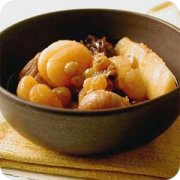
Slowly, babies begin to show more interest in solid foods as the months go by. The best way to transition from breast milk to fruits and vegetables is to present them as compotes, purees, and soft mashes; this makes them easy to swallow and has a pleasant texture.
Therefore, as Madreshoy.com, we will teach you how to make 3 delicious fruit compotes. This way, your baby can experience different flavors and grow healthy and strong by benefiting from various nutrients. Additionally, we will include practical tips about the benefits of fruits, quantities, and texture adaptations according to age, so you can use these recipes as a base for many combinations.
Today, we will teach you how to make apple, peach, and mango compote; however, you can also use fruits like pear, plum, banana, tangerine, watermelon, melon, or avocado to change the flavors, textures, and colors on the plate. This way, you can help your little one develop a habit of varied and nutrient-rich diet from the start.
These recipes are prepared with sugar and butter in their original versions for babies over 18 months. However, below you will find updated nutritional suggestions to prepare these compotes in a healthier way, without added sugar and unnecessary fats. These suggestions are also suitable for babies starting solid foods from 6 months onwards.
When should compotes and fruit purees be introduced?
According to current pediatric recommendations, solid foods can be started around 6 months; if the baby shows readiness signs (can sit up with help, shows interest in foods, opens their mouth when a spoon approaches, etc.). From this point on, fruits become a staple food in their diets; as they provide liquid, fiber, vitamins, antioxidants, and essential minerals for growth.
The Spanish Pediatric Association states that there is no strict order for solid foods. There are no better fruits to start with: you can gradually introduce apple, pear, banana, tangerine, watermelon, melon, plum, avocado, and other common fruits while observing the baby’s tolerance. The important thing is to provide variety so that the baby can recognize different flavors, textures, and colors.
Remember that the main goal at the beginning is not to feed the baby in large amounts, but to acclimate them to new foods: their tastes, smells, and the texture they feel in their mouth. Therefore, it is normal for them to initially take only 2 or 3 spoonfuls and make strange facial expressions; this does not mean they are rejecting the fruit, it may simply be surprise at something new.
How much compote or puree should be offered to the baby?
Up to 6 months, breast milk (or formula) meets almost all of the baby's nutritional needs. When starting solid foods, the amounts of fruit should be very small and gradually increased:
- First days: 2-3 spoonfuls of fruit puree or compote.
- Following days: increase to 4-5 spoonfuls, provided the baby accepts it well.
- Gradually: reach about 130 g of a small jar or another amount recommended by your pediatrician.
Keep in mind that initially, fruit and compotes are essentially sensory exploration. Your baby learns to use the spoon, move food around in their mouth, and swallow new textures. If they eat less one day but continue to take their regular milk, there is no need to worry.
Benefits of homemade fruit compotes for babies
Homemade fruit purees offer many advantages over commercial options. Preparing them at home allows you to control the ingredients and make natural, sugar-free purees without unnecessary additives. Here are some key benefits:
- They provide a soft texture and a lightly sweet flavor that most babies enjoy.
- They contribute to hydration; as fruits have a high water content.
- They are a source of vitamins, minerals, and antioxidants; which are important for the healthy development of the baby.
- They provide fiber; which helps to prevent and alleviate constipation in many small children.
- By offering the opportunity to diversify flavors and combine different fruits, they expand the nutrition repertoire from the early months.
Additionally, by offering homemade purees, you can adjust the texture according to the baby's age and development: starting with smoother and finer purees, gradually moving to more chunky and rustic textures, leaving small pieces for them to develop chewing skills.
How to prepare healthier fruit purees and compotes?
To make the most of the nutritional value of the fruit and to obtain truly healthy purees, it is important to pay attention to some basic tips:
- Choose seasonal fruits and those that are well-ripened; as they have better flavor and softer texture.
- Always wash and peel the fruits; remove hard parts, seeds, and damaged areas.
- Some fruits, such as apples or pears, require some cooking to soften. Do this by steaming or using very little water to preserve their vitamins.
- Other fruits, such as bananas or avocados, can be served raw; they should just be mashed or pureed.
- Avoid adding sugar, honey, sweeteners, or salt. The natural sweet taste of the fruit is sufficient.
- Initially, use a blender to achieve a very fine texture. Later, you can stop blending and just mash with a fork.
If you cook the fruit with water, you can use that cooking water to adjust the texture of the puree; thus, you can make it thicker or softer according to your preference. You can also flavor some purees during cooking with a cinnamon stick (always remove it before pureeing).
Apple Compote
Ingredients:
Juice of one lemon.
1/2 kilo of apples.
2/3 cup of sugar.
1 teaspoon of butter.
1 cup of water.
Preparation: Peel the apples and cut them into thin slices. In a covered pot, cook with water, lemon juice, and butter. Once thoroughly cooked, remove from heat, let it rest, and puree. Add sugar to this puree and cook again on the stove until it thickens.
If you want to make a healthier version suitable for babies new to fruit, you can omit the sugar and butter. Just cook the apple with a little water (or steam it), mash it with a blender, and adjust the texture with the cooking water. You can achieve a naturally pleasant taste by using sweet varieties of apples, such as Golden or Pink Lady.
Peach Compote
Ingredients:
1 teaspoon of butter.
1/2 kilo of sweet peaches.
2 egg yolks.
3 slices of toast bread, grated.
Preparation: Remove the pits from the peaches and puree them. Mix the sweetened water with butter, egg yolks, and grated bread. Cook for 10 minutes and pour over the peaches.
To create a lighter option suitable for small babies, it is suggested to use fresh and ripe peaches instead of sweetened canned peaches and to eliminate both sugar and butter and bread. Peel the peaches, remove the pits, cook them with a little water, and mash until very soft to puree them. If the baby is older, you can leave the texture a bit thicker, just mash with a fork.
Mango Compote
Ingredients:
12 mangoes.
2 cups of sugar.
Water.
Preparation: Peel and slice the mangoes. In a pot, cover the mangoes with water. Cook and puree. Mix the cooking water with sugar and add the fruit. Cook while stirring continuously until it reaches a syrupy consistency.
To make a healthier version for babies, it is sufficient to use very ripe mangoes; as they already have a rich sweetness, there is no need to add extra sugar. You can lightly cook the mango with a little water or if it is very soft and your pediatrician approves, you can mash it raw; always adjust the texture according to your child's developmental stage.
Fruit and Texture Combinations by Age
After your baby has tried fruits individually and tolerated them well, you can start making combinations to create richer and more enjoyable purees and compotes:
- Apple and banana (both very sweet, creamy texture).
- Pear and mandarin (refreshing and aromatic, ideal in small amounts).
- Apple and mango (intense color and very pleasant taste).
- Pear and plum (especially beneficial for children with a tendency to constipation).
Initially, it is recommended to always serve the fruits well mashed. Later, from a certain age and once your pediatrician approves, you can leave soft small pieces and less finely pureed; this way, the baby can develop their chewing skills and improve mouth-tongue coordination.
Be careful to introduce new fruits and combinations slowly; always observe for possible reactions. If your baby rejects a mixture one day, you can offer it again later in small amounts and without forcing.
Explanatory Note on Sugar and Butter
As one of our followers pointed out, adding sugar and butter is a nutritionally incorrect approach for a dessert for small babies. Current pediatric recommendations emphasize that children should not be accustomed to very sweet or salty flavors at an early age; this promotes healthier eating habits in the long term.
Therefore, while we maintain the original recipes, if you are preparing them for babies, we recommend opting for versions that do not contain added sugar and unnecessary fats. You can always make your compotes nutritious, safe, and delicious by using the natural sweet taste of ripe fruit and the variety of available fruits.
The editorial team currently responsible for the content does not accept responsibility for this article as it was originally presented and recommends always following the advice of your pediatrician or child nutritionist to adapt any recipe to your baby's specific needs.
Incorporating homemade healthy compotes into your child's diet is a great opportunity for them to explore new flavors, experience different textures, and benefit from the advantages of fresh fruits; with a few basic rules and by avoiding added sugar, you can prepare simple, nutritious recipes at home that are suitable for every stage of development.










































Comments
(5 Comments)