
If you are taking your child to preschool, you may have one day returned home to find a bite mark on their body or caught them biting you. It is quite common for children to bite during early childhood; especially around 18 months, it is seen quite frequently. It is vital for parents to help them stop this behavior as soon as possible, as this habit can cause many conflicts at home, in preschool, and with other children.
Little children love to explore things with their mouths because it is a way to discover their environment. For them, exploring with their mouths is a way to recognize textures, temperatures, and sensations, and it serves as a source of relief when their gums are uncomfortable during teething.
However, for some children, biting becomes a temporary form of communication. Children do not bite with bad intentions at this age. They do not yet have the necessary language skills to express what they feel and use biting to show the intense emotions they are experiencing; often during moments of frustration, overwhelm, jealousy, anxiety, or boredom.
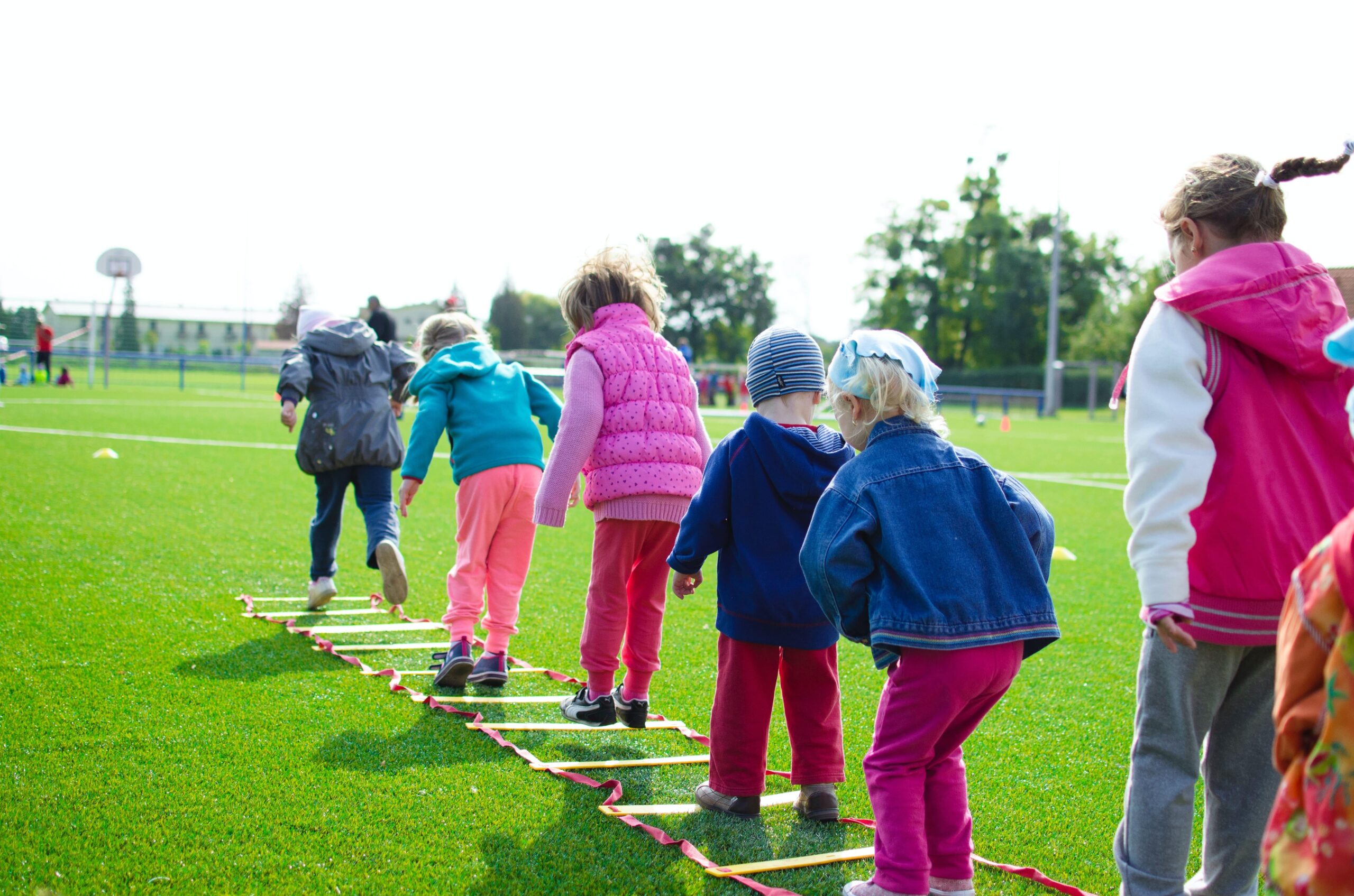
There are various situations in which children bite. Some children only bite at home because it is a safe environment where they can express their feelings with less filtering. Others prefer to bite in play environments with other children when there is too much stimulation and conflict regarding toys or taking turns. A child attending preschool may frequently bite or get bitten by other children; this is a very common behavior in early age groups.
Why Do Little Children Bite?
Before trying to correct the behavior, it is very important to understand what is behind the bites. Biting is a normal part of development in the early years, but the reasons can vary greatly for each child.
Sensory Exploration and Oral Stage
In the early years, children go through a stage where they explore the world with their mouths. Biting, sucking, and putting objects in their mouths is a way to explore their environment and gain sensory pleasure. At this stage, they may even bite to show affection to someone, as they do not yet understand that applying pressure with teeth can harm others.
Physical Discomfort and Teething
Teething creates discomfort, itching, and pressure in the gums. Many little children find relief by biting objects, clothes, or even nearby people. In these situations, biting is closely related to physical discomfort and the need to relieve tension in their mouths.
Language Deficiency and Communication Difficulties
One of the most common reasons children bite is that they do not yet have sufficiently developed language skills. When they cannot say "I'm angry," "I don't want that," or "that's mine," using their bodies to bite becomes a way to quickly convey their frustrations or anger. This lack of emotional language allows biting to function as a strong message that others can immediately understand.
Frustration, Jealousy, and Need for Attention
Many children bite when they feel ignored, excluded, or jealous; for example, when a new sibling arrives or when an adult pays too much attention to another child. They may also bite when they are frustrated, such as when they cannot share a toy, lose a turn, or do not get what they want. In these situations, biting can be a way to get attention or to protect what they have.
Overstimulation, Fatigue, and Stress
Excessive stimulation is a very common cause of biting. When a child is very tired, hungry, exposed to too much noise, surrounded by many children, or faced with too much activity, their ability to self-regulate decreases. The child's brain is still maturing, especially in the areas that help regulate impulses and emotions. Therefore, in such an intense situation, some children resort to biting to relieve tension or set boundaries against overwhelming stimuli.
Imitation and Social Experimentation
In some cases, children may bite because they have seen others bite or because games like "kissing food" or mouth tickling are played at home, and they do this not out of malice, but by repeating what they have observed. It can also be a way to test their power: they bite and observe what reactions they provoke in others, which reinforces or weakens their behavior based on the response they receive.
When Bitten: How to Respond Without Yelling or Punishment?
Children bite to express themselves, so the first thing to do is to acknowledge it. Understanding that biting is a sign of something internal helps in responding more calmly and effectively. Next, we need to find solutions to the problem without yelling at the child or punishing them. They are very small and are just trying to communicate or show their feelings; yelling at them or punishing them will only lead to more frustration and teach them that expressing their emotions is not safe.
It is also important to remember that biting is often a temporary phase. Instead of harshly "removing" the child's habit, parents and reference adults should know how to act each time so that over time the child can learn other ways to express themselves. If your child is biting, there are effective ways to deal with this behavior, and you can ensure that everything gets better.
What to Do at the Moment of Biting?
When a bite occurs, the adult's response should be quick but calm. Ideally, gently separating the biting child without yelling or making harsh movements, and setting a clear boundary with a short and clear statement like "Biting is not allowed, it hurts" is best. Looking into their eyes with a serious but calm expression helps them understand that they have crossed an important boundary.
First, consider the child who was bitten. If one child has bitten another, go to the victim first: comfort them, clean their wound if necessary, and show empathy for their pain. This teaches the aggressive child that their action has real consequences and makes it easier for them to put themselves in the other’s shoes. Avoid giving excessive attention to the biting child; too much interest can turn biting into a tool to get what they want.
Next, calmly remove the biting child from the situation and give them a short time to collect themselves. There is no need for a long punishment; a short break is sufficient. Then, in a firm and calm voice, tell the biting child "Biting is not allowed because it hurts" and, if possible, add words to what they are feeling: "You were angry because that toy is yours."
Never bite a child "to give back what they did," as this is both ineffective and a form of aggression. The child will learn that biting is acceptable, which can turn a temporary habit into truly aggressive and learned behavior. Additionally, yelling, mocking, or labeling the child as "bad" or "aggressive" is also not recommended; these labels undermine their self-esteem and do not teach them what they can do instead of biting.
Strategies to Prevent Biting
If you want to prevent your child from biting other children or adults in the future, there are several strategies you can implement at home, and you can also share these in preschool. The key lies in combining clear boundaries with strong emotional connections, offering alternatives, and supporting the child in the learning process.
Be a Good Example
Although it may be an obvious truth, as a parent, you must be the best example for your child. What you do or how you behave is what they observe and repeat in their daily life. In this context, you should never bite your child or use physical violence as a response. They will not understand why you did it, they will only understand that you caused harm. If the most important person in their life, the one they have the strongest and most stable bond with, harms them, it can affect their emotional security and trust.
Encourage Word and Emotional Language
Even if they do not yet have good language skills, they may be able to say some words, so you can encourage them to use simple words when they feel angry or frustrated. Tell your little one - and insist, because they will need to hear the same message many times - that instead of biting when they are angry or something bothers them, they can say things like "I don't want to" or "I don't like it." This way, others can better understand what they are feeling.
In addition to these basic expressions, teaching phrases like "I'm angry," "I'm sad," "help me," or "this is mine" is also very beneficial. You can use stories, emotion-related face drawings, or role-playing games with puppets to help the child describe what they are feeling and learn to say it out loud. The more language they have, the less they will need to use their body.
Consider Your Children's Needs
In many cases, children bite when they feel very tired, irritable, or hungry. Overstimulation, changes in routine, lack of sleep, or an environment with too much noise are factors that increase the likelihood of a child biting. Therefore, it is important to create calming strategies and relatively predictable schedules for your child and ensure they are well-rested. This way, the likelihood of them using biting as an escape route decreases.
Observe at what times of the day the likelihood of biting is higher: before meals, at the end of the evening, when there are many children together, when they are sick, etc. Identifying these patterns will help you take preventive measures in advance and provide extra support during sensitive moments, thus reducing the risk of biting.
Provide a Safe Alternative for Biting
Your child needs to have an alternative for biting, such as a teething ring, a silicone toy, a soft ball, or a sensory object designed for this purpose. With gentle reminders, they can start biting the teething ring instead of biting the body of their playmate, parents, cousins, or anyone around.
These "biting" objects are particularly beneficial for children who bite due to sensory needs or teething. You can say, "If you want to bite, use this," and make it accessible during playtime or in environments where the behavior occurs. This way, you not only set a boundary but also provide a concrete and acceptable alternative.
Explore Biting Triggers
It is also very important to consider the triggers that may cause your children to bite others. For example, if you notice that your child bites when their favorite toy is taken away, you can keep two similar toys on hand and offer them another option in that situation. By saying, "They are playing with that now, then it's your turn," you can help them learn to wait their turn.
If biting becomes chronic or occurs very frequently, the reasons may not always be so obvious. In such cases, it may be helpful to observe in more detail: when they bite, with whom, what happened just before, what was the adult's reaction, was the environment particularly noisy or tense, etc. These observations can provide clues about whether they are seeking attention, feeling insecure, overstimulated, or experiencing a significant change in their life (weaning, moving, the birth of a sibling, changes at school, etc.).
If your child is biting repeatedly but you are unsure what the triggers might be, you can start using rewards for good behavior, reinforcing whenever they resolve a conflict without biting (“I liked that you said 'I don't want to' instead of biting”). Still, it would be good to have your child examined to check if everything is alright. For example, if your child is on a certain medication, it may cause them to be more irritable, and perhaps a change in medication would be sufficient.
Additionally, a biting child may be stressed due to weaning, the arrival of a new sibling, changes in routine, sleep difficulties, or any other significant issues. To identify the triggers causing your child's biting, it is necessary to pay special attention to their emotional world, and once you find this, it will be much easier to offer them alternative tools and support.
Child Neuropsychology and Help from Respectful Management
In child neuropsychology, it is known that young children's brains are in a stage of full development and that areas related to empathy, self-control, and emotional regulation mature very slowly. Therefore, many impulsive behaviors, such as biting, are not a challenge or malice but a reflection of an immature brain that does not yet know how to manage intense emotions.
At an early age, a child operates more through the "emotional brain" (amygdala); this means that during an overflow moment, they cannot think before acting. They need adults who will help them control their emotions, set boundaries calmly, and teach them how to manage what they feel.
In this context, validating feelings but not validating behavior is very beneficial. You can say to them, "I understand that you are angry, but biting is not okay; biting hurts. Let's find another way." The message they receive is that feeling angry is acceptable, but hurting with teeth is unacceptable. Thus, they will gradually learn that there are acceptable ways to express their anger.
It is essential to correct calmly and firmly. The child "copies" the adult's emotional state: if the adult shouts, loses control, or punishes disproportionately, the child's amygdala activity increases, and the likelihood of impulsively reacting rises. However, when the adult maintains their calm and sets a clear boundary, the child feels safe and guided, which facilitates learning.
Another powerful strategy is to actively teach emotional tools: identifying what they feel through drawing, storytelling, or play, practicing simple phrases like "I don't like this," "stop," or "please give that," and offering alternative ways to release tension, such as squeezing a pillow, squeezing a soft ball, or taking deep breaths together. Anticipating situations where the child is likely to bite and reminding them: "If something bothers you, come tell me, don't use your teeth" can significantly reduce biting incidents.
When to Seek Professional Help?
In most cases, the biting phase is temporary and improves with support, clear boundaries, and developmental growth. However, if you observe the following, it may be helpful to consult a professional (pediatrician, child psychologist, or occupational therapist):
- Bites are very frequent and do not decrease despite implementing strategies for a while.
- Your child appears extremely irritable or unstable in many areas (sleep, nutrition, play…).
- There are concerns about developmental difficulties, language issues, or sensory processing problems.
- The biting behavior creates significant rejection around them and affects their integration in daycare or with other children.
A professional can help you better understand what is happening, assess whether there is a medical, neurological, or emotional factor, and provide more specific strategies that will suit your child and family.
Accompanying a biting child can be exhausting and may evoke feelings of guilt or shame, but each bite is also an opportunity to teach them something fundamental: that their feelings are valid, that they can express them without causing harm, and that there are always adults who set boundaries with love and determination. With patience, consistency, and an understanding of how their developing brain works, the biting behavior will fade away and make way for more mature and respectful ways of communicating.

























Comments
(2 Comments)