Pediatric immunology has become one of the most important fields of child medicine. Today, almost every pediatrician encounters issues where the immune system is involved on a daily basis: recurrent infections, allergies, autoimmune diseases, vaccine reactions, or certain oncological pathologies. Understanding how this complex defense system works is a fundamental necessity to protect children's health from the very first days of their birth.
Thanks to advancements in the last decades, the field of clinical immunology in children has grown tremendously. This has enabled the diagnosis and treatment of both primary (congenital) and secondary (acquired) immune diseases and allowed the development of highly effective preventive strategies such as specific immunotherapies for vaccines and allergies. All of this requires well-trained professionals with multidisciplinary expertise to provide true holistic care.
What is pediatric immunology and what does it study?
When we talk about pediatric immunology, we are referring to the branch of medicine that deals with immune system disorders in children and adolescents. The immune system provides protection against viruses, bacteria, fungi, parasites, and other external factors, while also ensuring that the body does not mistakenly attack its own tissues.
During childhood, this system is in a complete developmental phase. Therefore, pediatric immunology encompasses a wide range of issues such as recurrent infections, respiratory or food allergies, autoimmune diseases, and immunodeficiencies. The goal of these specialists is to prevent, diagnose, and treat these disorders, always adapting tests and treatments to the child's age and characteristics.
The most common immunological disorders in children
The major issues addressed by pediatric immunology can be grouped into three categories: immunodeficiencies, autoimmune diseases, and allergies. Each is associated with a different failure or imbalance of the immune system and requires specific diagnostic and treatment strategies.
Immunodeficiencies are characterized by the defense system's failure to respond with the necessary strength or coordination. In this case, children experience infections more frequently, more severely, or that easily lead to complications. These immunodeficiencies can be primary, originating from genetic or congenital causes, or secondary, acquired due to infections, immunosuppressive treatments, or oncological diseases throughout life.
In the group of autoimmune diseases, the problem is the opposite: the immune system stops recognizing its own tissues correctly and attacks them as if they were foreign. In pediatric age, this can manifest with diseases such as systemic lupus erythematosus or juvenile idiopathic arthritis; these diseases affect multiple organs and require close monitoring and long-term treatment.
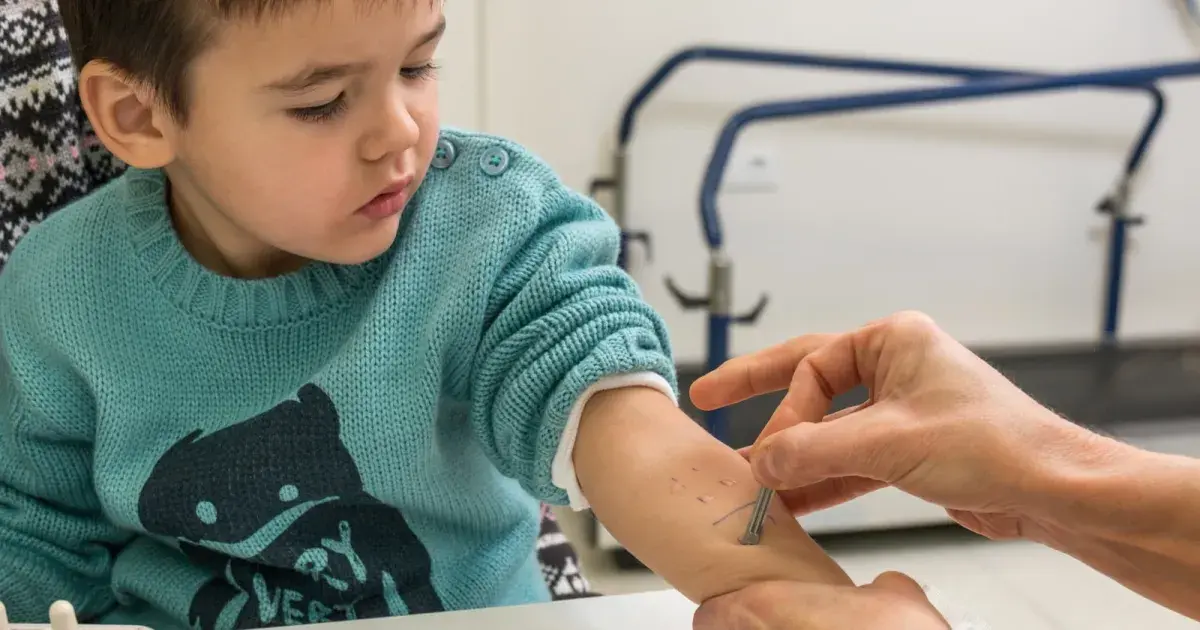
Finally, the section on child allergies encompasses situations where the immune system overreacts to initially harmless substances; these include pollen, dust mites, foods, medications, insect stings, or latex. This disproportionate response can manifest with serious systemic reactions such as respiratory (rhinitis, asthma), skin (atopic dermatitis, hives, angioedema), digestive (vomiting, diarrhea), or even anaphylaxis.
In all these cases, units specialized in pediatric immunology work with age-appropriate diagnostic and treatment protocols, considering the physical and emotional development of the patients, the quality of life of families, and the continuous education needs of parents and caregivers.
Clinical developments in pediatric immunology
In recent years, immunology has shifted from being primarily a theoretical discipline to becoming a fundamental pillar of daily pediatric practice. It is now more clearly recognized that almost all processes pediatricians encounter have a significant immunological component: infections, allergies, acute and chronic inflammation, autoimmune diseases, vaccine responses, or certain tumors.
Advancements in knowledge about the immune system have made it possible to identify an increasing number of primary and secondary immune diseases. This has come with significant improvements in diagnostic tools (from basic laboratory tests to advanced genetic studies) and available treatment options; including new biological drugs and personalized strategies.
Particularly noteworthy is the rapid change in the field of primary immunodeficiencies. A few decades ago, most of these disorders went unnoticed or were confused with "children who frequently catch colds." Today, clinical symptoms are better understood, there are criteria for suspicion during pediatric examinations, and increasingly effective treatment options are available; ranging from immunoglobulin to bone marrow transplants or targeted therapies.
This scientific revolution necessitates that professionals treating children with immune issues keep themselves updated with continuous updates. Modern management of immunodeficiencies requires very specific training in both pediatrics and adult medicine for infection complications and possible autoimmune symptoms; this is essential for ensuring a smooth transition between stages.
Moreover, pediatric immunology is not limited to the treatment of existing diseases. It also plays a central role in prevention; particularly through vaccination and immunoprophylaxis programs, including vaccinations during pregnancy, which have profoundly changed child mortality rates due to infectious diseases worldwide.
The importance of vaccination in childhood
Vaccination aims to mimic the immune response triggered by a natural infection in a controlled and safe manner. That is, it ensures that the immune system produces antibodies and immune memory against a pathogen; thus, the child gains immunity without experiencing the disease and facing possible complications. For this, defenses are activated using harmless, inactivated, or parts of these microorganisms.



































Comments
(2 Comments)