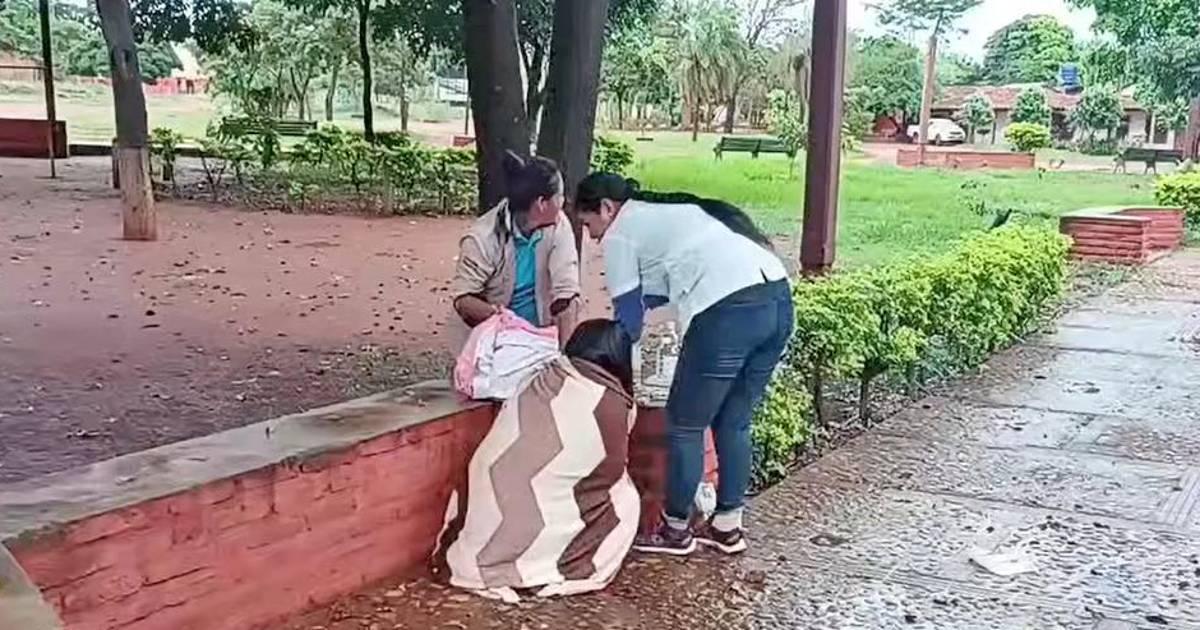
On a seemingly calm morning, San Ignacio de Velasco, in the Santa Cruz region, witnessed a scene that left neighbors and visitors astonished. A woman gave birth in public, in front of the church of the same name, at an unexpected and delicate birth, and this event quickly went viral in local media and social media.
A routine trip to a health center or a journey that began on the way home from work ended with the birth occurring under light rain. Merchants, passersby, and a nurse helped the woman by setting up a small delivery room outdoors. This event not only sparked fear; it also initiated a wave of solidarity for both the mother and the newborn baby.
An Unexpected Birth in San Francisco de Asís Square
According to local media sources TV Radio Raíces and Radio TV Familiar online, the woman began to feel sudden pains while walking in San Francisco de Asís Square. Her initial goal was to reach a health center, but the birthing process progressed so quickly that the mother didn't have time to reach the health facility.
Within minutes, amid the astonished looks of neighbors and those passing through the area, the birth took place in the square, right in front of the San Francisco de Asís Church, an important reference point for the community. Some witnesses reported that the event occurred at seven in the morning, while the city was just beginning to wake up.
Many merchants and passersby were the first to approach to help. With blankets and clothes, a small delivery room was created to protect the mother and baby, while others called for health personnel and coordinated for later transfer to the hospital. This situation reminds us of the importance of suitable areas for births in emergencies.
Some images shared on social media show the initial tension, but they also highlight how quickly people around reacted. Expressions of astonishment, encouraging words, and prayers transformed the square into a delivery room for several minutes.
A Nurse's Key Intervention
Minutes after the birth began, a nurse from the Candelaria community arrived at the scene and was identified by some witnesses as Melva Charupá. By the time she arrived, the baby had already been born.
The health professional explained that her priority upon arrival was post-birth care. In addition to cutting the umbilical cord and delivering the placenta, she checked the general condition of the newborn and the mother.
Statements received by the media noted that the nurse particularly focused on protecting the baby from the cold and humidity. Since the birth took place under light rain, the goal was to keep the child warm and sheltered until transfer to the hospital could be arranged.
The mother recalled while lying in a hospital bed that the birth “didn’t give her time to react.” She explained that she felt a strong pain as she was leaving the parish and that, almost without any other signs, the baby was born right there, in San Ignacio de Velasco, under light rain.
A Determined Mother and a Baby Named Sebastián
The main character of this story is María Teresa Égüez, a mother who works in cleaning services. That day, she had finished her work at the temple and was on her way to pick up her other children when she experienced labor pains.
María Teresa comes from the Argelia community and has a large family. With this baby, she is caring for eight children, including the one she named Sebastián. During her working hours, she often leaves the younger ones in her mother’s care, reflecting the family support network she has in her daily life.
The father of the newborn works in the San Miguel border area, which complicates the family’s emergency situation. Friends and relatives described María Teresa as an indefatigable woman, doing “whatever it takes” to provide for her family and meet her children’s basic needs.
The baby's name also sparked conversations among the neighbors. Initially, it was suggested that he could be named Francisco, referencing the square where the birth took place and the San Francisco de Asís Church. However, the mother ultimately preferred the name Sebastián, which appeared in the latest reports from the Julio Manuel Aramayo municipal hospital.
Transfer to the Hospital and the Newborn's Health Status
After the square was primarily stabilized, the woman and her child were transferred to San Ignacio de Velasco hospital. Professionals confirmed that the baby needed to be kept under close medical supervision. Since the birth occurred after approximately eight months of pregnancy, the level of caution increased.
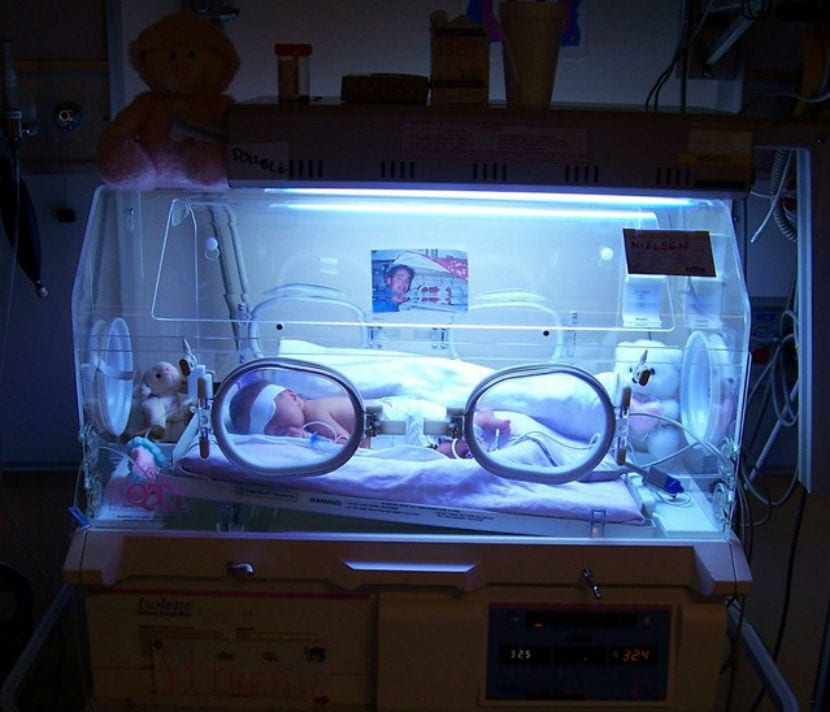
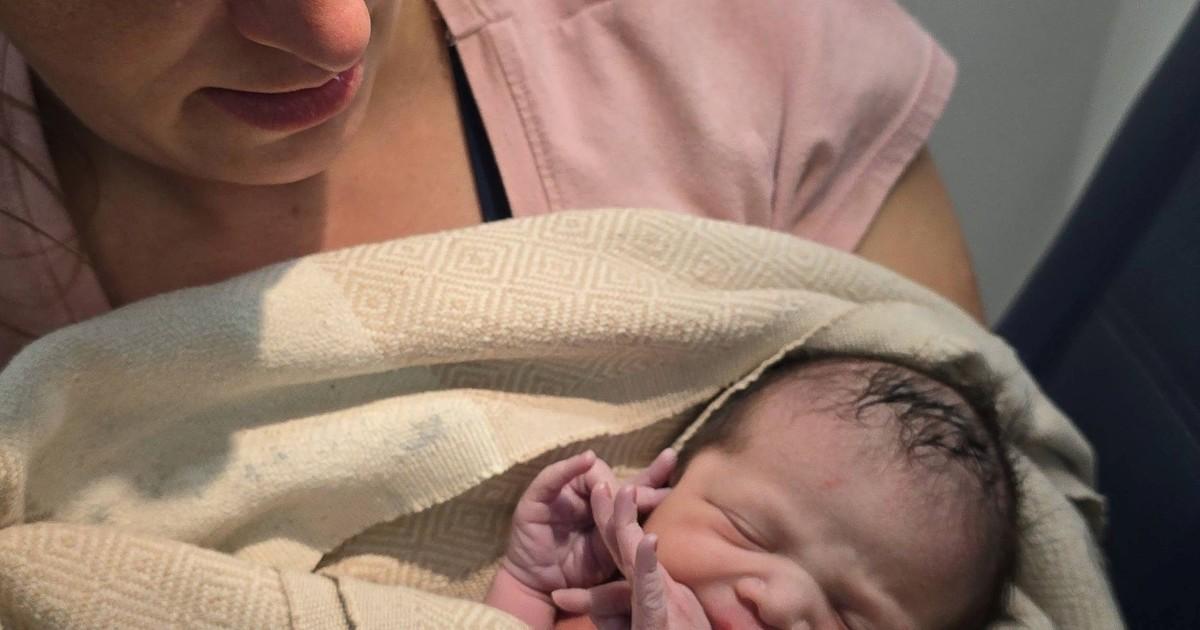
In the hospital, Sebastián was placed in an incubator to monitor his body temperature and development. This was significant because the conditions of the baby's arrival into the world were outdoors, in a public area, and in a cold, humid climate. Doctors emphasized that such situations require special observation in the first hours and days.
So far, published medical reports indicate that the baby's health condition shows positive signs. The mother is also stable and recovering from the birth, receiving the necessary medications.
The hospital highlighted the community's and the nurse's quick response in the square. The first aid provided at the birth site was crucial in preventing the situation from worsening and ensuring a better prognosis for Sebastián.
Reactions in the Community and Media Coverage
This unusual birth in San Ignacio de Velasco quickly spread through radio, social media, and digital media. Records made by witnesses and local journalists were shared by broadcasters like Radio Raíces Bolivia, creating a significant impact in the community.
In the footage, the mother is seen on the ground receiving help from a nurse who came from Candelaria, while many people try to collaborate by surrounding the scene. Amidst astonished and excited comments, many neighbors could not hide the impact of witnessing a birth in such an intense and symbolic place.
Social media was filled with supportive messages for the mother and baby, as well as expressions of appreciation for the intervening healthcare professional. Some users emphasized the solidarity of merchants and passersby who did not fold their arms but provided both physical and emotional assistance.
At the same time, this situation sparked discussions about the need to improve emergency obstetric care protocols in areas outside of hospitals, especially in regions where distances and health resources can complicate rapid transfers.
A Wave of Solidarity for a Low-Income Family
Beyond the initial fear, the story of María Teresa and her son Sebastián received an immediate solidarity response from neighbors, friends, NGOs, and private companies. Various individuals reached out to offer financial and emotional support to the family.
Rosita, a close friend of the mother and a culinary teacher, became a kind of spokesperson connecting those who wanted to help. She publicly stated that the family was going through a difficult economic situation and that the needs had multiplied with the arrival of the new baby.
Among the most urgent needs are medications for the mother and newborn, diapers, baby clothes, milk, and basic hygiene products. Rosita provided a phone number (78016783) to direct donations to the family.
Even a diaper brand supported the family with supplies for little Sebastián's care through a television program. This gesture was seen as a significant relief for María Teresa, as she would need to cover the expenses of her other children in the coming months along with the newborn.
In recorded statements from the hospital, the mother expressed her gratitude for the displays of love and reiterated that she still needed help with medications, diapers, and milk. Her message reinforced the reality of vulnerability that requires ongoing support beyond the remarkable anecdote of the birth in the square.
A Birth Drawing Attention to Health Services and Community Support
The birth event at San Francisco de Asís Square brought many fundamental issues to light. On one hand, the importance of having well-structured emergency systems to effectively handle unexpected births in out-of-hospital emergencies is emphasized, especially in areas where the population is a certain distance from health centers.
On the other hand, the story of María Teresa and her son Sebastián has become an example of how a community can respond quickly in a critical situation. The intervention of neighbors, merchants, and nearby health professionals demonstrates the significant role that the citizen support network plays in everyday emergencies.
Additionally, discussions have been initiated on the necessity of informing pregnant women about warning signs and protocols to follow in cases of possible premature or sudden births. This way, it may be possible to minimize the risk of women having to give birth outdoors without emergency support.
In any case, the positive developments in Sebastián's health and his mother's stable condition were welcomed as good news in a situation that could have ended differently. Giving birth in the middle of the square, under light rain and in front of the church, transformed from a source of concern into a story of solidarity, mutual care, and hope for the San Ignacio de Velasco community.
What happened at San Francisco de Asís Square left an indelible image: a mother giving birth in the middle of the street, a baby born under the rain, neighbors organizing within seconds, a nurse acting with determination, and a hospital taking over medical follow-up. The combination of all these efforts created a story that blends the challenge of poverty with the power of solidarity and placed Sebastián and María Teresa at the center of the love and care of San Ignacio de Velasco.
























Comments
(3 Comments)