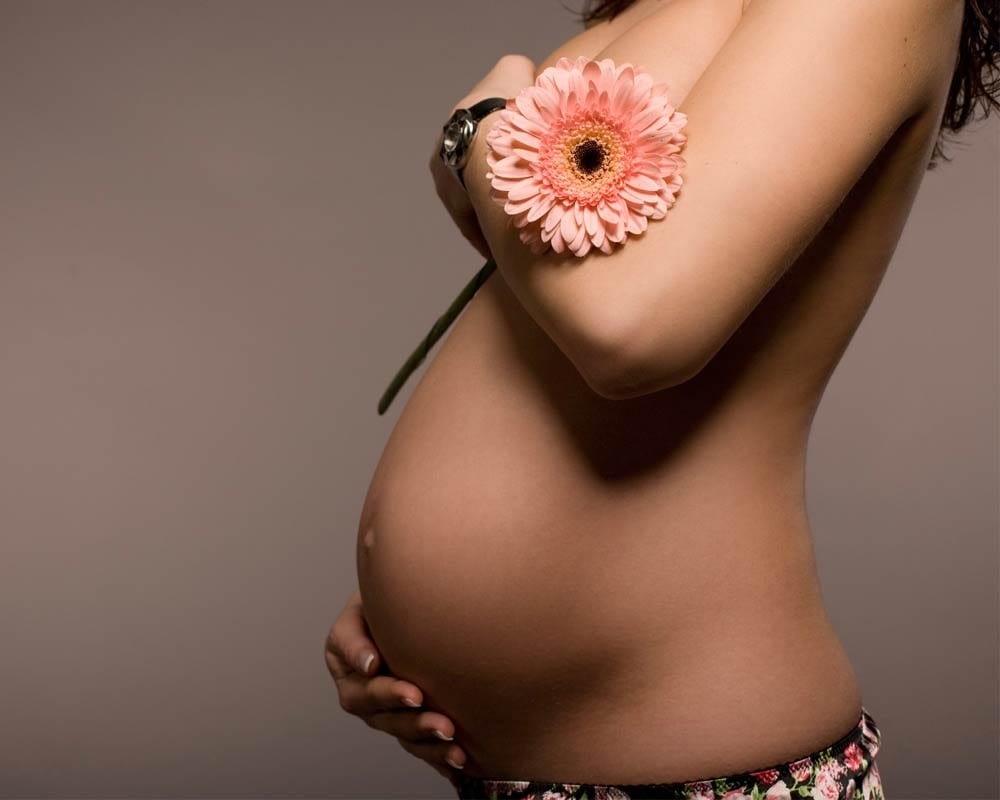
Learning that you are pregnant changes everything: suddenly things like baby room, crib, clothes, medical preparations appear in your mind... and of course, names. This will be the only "gift" that will accompany your child throughout their life from the moment they are in your womb, so it is normal to want to choose it calmly. If you are interested in English names, here is a very comprehensive guide for inspiration.
In recent years, families in Spain have increasingly started to pay attention to English and American names; this may be due to series, movies, famous singers, or names that work well in multilingual environments. There are options related to classic, modern, unisex, nature, literature, or the Bible. In this article, you will find a very wide selection to help you find the special name that suits your baby.
English Male Names: Popular, Classic, and Original
When we think of English male names, many famous figures come to mind: David Beckham, Harry Styles, Michael Jordan, James Morrison... I believe it is no coincidence that many parents choose similar names for their children; because these names have an international ring to them and go well with Spanish surnames.
Among the most well-known English names, we find the great classics of the Anglo-Saxon world. For example, names like William, James, John, Robert, Michael, Thomas, David, George, Henry, and Edward are commonly used in the United Kingdom and the United States and are known by their Spanish equivalents (Guillermo, Santiago, Juan, Roberto, Miguel, Tomás, David, Jorge, Enrique, Eduardo). These names have been passed down from generation to generation, most of which are associated with British royalty and historical figures.
If you are looking for something fresher, among the modern names listed in popular Anglo-Saxon lists, you can find Liam, Mason, Logan, Jackson, Lucas, Aiden, Grayson, Elijah, Owen, and Carter. They have a traditional feel but sound current and very international. Some, like Liam, Logan, Lucas, or Owen, have started to be seen in Spanish schools as well.
For those who prefer short and easy-to-pronounce names, options like Max, Leo, Finn, Jay, Ben, Sam, Tom, Jack, Eli, and Gus are available. These names combine well with long surnames that are common in Spanish-speaking countries and can be easily read by everyone.
Additionally, there are names that have a distinct British flair and carry a different touch: Angus (strong), Archie (brave), Archer (archery), Barnaby (the English version of Bernabé), Cain (clean water), Conall (as strong as a wolf), Duncan (cheerful and self-confident), or Euan/Ewan, which is a Welsh name commonly used in Scotland. If you are looking for a name that reminds you of Scotland, Ireland, or ancient Britain, these are perfect choices.
In the same original vein, there are names that have transitioned from surnames to first names; this is quite common in the Anglo-Saxon world. Names like Brooks, Carter, Cooper, Hudson, Lincoln, Austin, and Dallas were originally known as surnames or place names and are now used as modern and personality-filled names.
English Female Names: Classic, Sweet, and Full of History
English female names also offer tremendous diversity: traditional, modern, very short, bohemian, or nature-inspired names are available. The choice of name conveys a very different image, so it's beneficial to pay attention to its sound and meaning.
If you love short and sweet names, there is a quite appealing list: Mia, Lily, Zoe, Ella, Amy, as well as names like Eva, Emma, or Amy that frequently appear in Anglo-Saxon lists. Mia is popular worldwide; Lily is associated with purity and the lily flower, Zoe means "life"; Ella has a gentle sound, and Amy is a name that is quite easy to pronounce in Spanish.
For those looking for something bohemian or less common, names like Juniper, Indie, Tinsley, Briar, and Nova stand out. Juniper means "willow," associated with a rural plant, while Indie carries an alternative vibe; Tinsley and Briar evoke fairy tales and the world of imagination, and Nova means "new star" and has quite a cosmic touch.
It is important not to forget girl names inspired by nature: Autumn, Hazel, Ivy, Willow, and Sage. They are ideal if you enjoy connecting with trees, seasons, or plants, and they also have a soft and pleasant sound.
English Names: Carrying Spiritual or Sacred Meanings
Many parents place great importance on spiritual meanings. There is a collection of such names in English for both boys and girls; those with Hebrew, sacred, or religious origins are still commonly used today and often carry messages of faith, hope, strength, and protection.
Among the most common Hebrew-origin male names are Matthew, Mark, Luke, John, Peter, Daniel, Joseph, Isaac, Samuel, and David. These come from the Bible and correspond to well-known names in Spanish (Mateo, Marcos, Lucas, Juan, Pedro, Daniel, José, Isaac, Samuel, and David). Many parents prefer these names because they provide tradition, faith, and an international sound harmony.
More modern yet still carrying sacred or spiritual meanings are names like Noah, Elijah, Asher, Zane, and Caleb. Noah is commonly used in Anglo-Saxon countries and means “rest” or “peace”; Elijah translates to “My God is Yahweh”; Asher means “happy” or “blessed”; Caleb is associated with loyalty and courage; Zane is considered a variant of John meaning “God is gracious”.
There are many popular names for girls that carry spiritual meanings: Faith, Grace, Hope, Charity, and Eden. Faith means “faith”, Grace means “divine grace”, Hope means “hope”, Charity is associated with kindness and generosity, while Eden refers to the famous sacred garden. These names have a simple, easy-to-pronounce, and clear background.
Additionally, there are names with positive meanings focused on happiness, protection, or good luck. These include both English versions and forms used in Spanish: Felix (happy, lucky), Lucas (light), Isaiah, Gabriel, Tobias, Ethan, Victor, Emmanuel, and Jonah. While some names have Spanish versions, their English uses are becoming increasingly common.
In addition to names that are directly sacred, there are those with a more symbolic spirituality: Phoenix (bird, rebirth), Sage (wisdom), Rowan (tree of life) or River, which is a name many families associate with the idea of flow, change, and the power of nature.
Extensive Lists of English Names and Their Spanish Translations
Many expert websites compile very long lists of English names, along with their Spanish equivalents, origins, and meanings. This is quite useful when you want to understand what each name signifies.
These lists include names like Abbey/Abbie, Aiken, Aileen, Alan, Alexis (related to Alejo), Alice (Alicia), Andrew (Andrés), Angelina (Ángela), Anne (Ana), Arnold (Arnaldo), Ashley, Audrey, Austin (Agustín) and offer a mix of numerous British-origin options with other names familiar to us in Spanish.
Additionally, classic male and female names are listed along with their Spanish translations: Baldwin (Balduino), Barnett and Barnaby (related to Bernardo/Bernabé), Basil (Basilio), Barton, Bishop, Blanche (Blanca), Clark, Conrad (Conrado), Dominic (Domingo), Edgar (Edgardo), Frederick (Federico), Gilbert (Gilberto), Harold (Haroldo), Walter (Gualterio) and many more, which are of German origin.
Among girl names, there are various options such as Becky (Rebeca), Brenda, Bridget (Brígida), Britney (related to Britain), Cecily (Cecilia), Charlotte (Carlota), Chloe (Cloe), Clare (Clara), Edith, Elinor (Leonor), Elisabeth (Elisabet), Eliza (Elisa), Ella (Helena), Emily (Emilia) or Florence (Florencia). Generally, these names are listed with their abbreviations and short variants, allowing you to choose your favorite form.
These lists also include names that combine important English traditions with international usage: Francis/Frances (Francisco/Francisca), Frederick (Federico), Giles (Egidio), Grace (Gracia), Hannah (Ana), Harry (Enrique), Hugh (Hugo), Imogen, Indiana, Ivy, Jackie (Jacoba), Jacqueline and many options can be used without much difficulty in a bilingual environment.
The interesting aspect of these lists is that they are not limited to typical British names; they also include Irish, Scottish, Welsh, and North American influences. Names like Caden, Declan, Sean, Aiden, Ronan, Niall, Cian, or Dunstan emerge from this, and the variants that are rarely used in Spanish will ensure that your baby's name is truly unique.
Special English Girl Names (A-Z with Meanings)
If you enjoy examining English female names one by one, there is a beautiful repertoire of names that are spelled the same in both English and Spanish or at least work well in both languages. Many of them have Greek, Latin, Hebrew, or Germanic origins and possess strong meanings.
Among those starting with the letter A, names like Alexandra (defender of men), Alicia (noble), Amanda (lovable), Amelia (hardworking or kind), Anna (compassionate), Aurora (dawn) stand out. These names are accepted as they are in Spanish documents, so you won't encounter any legal or spelling issues.
Looking further than the letter A, the list becomes quite rich: Becca (short for Rebeca, attractive), Bernadette (warrior, brave as a bear), Bianca (white woman), Brianna (daughter of nobles), all filled with a mix of elegance and strength. And of course, Brenda is derived from Brand and is associated with the idea of sword and war.
Among the melodious Greek names are Calista (most beautiful), Camelia (flower-like, associated with admiration), Cassandra (sister of men, famous for her prophecy), Chloe (grass or green shoots), Cleo (glory), Cora (maiden) or Cordelia, which comes from the Latin root “cor” (heart) and is interpreted as sincere and gentle.
Names with historical or mythological echoes include Diana (goddess of the hunt), Delia (born on the island of Delos), Iris (messenger of the gods and rainbow), Penélope (weaver), Sabrina (linked to a Welsh legend); also included are names like Ingrid (beautiful), Irene (peace), Isabella (God's promise), and Jennifer (white as sea foam).
Flower and nature names are especially suitable if you love soft meanings: Dalia, Lily (lily), Luna, Olivia (olive and peace), Camelia. Other short but historically rich names include Emma (strong and powerful), Eva (life-giving), Greta (pearl), Julia (dedicated to Jupiter), Lara, Laura (victory, crowned with laurel); these are names that are quite accepted in both Spanish and English fields.
The list continues with less common but still interesting names: Lavinia, Leah, Lila (night), Lina (gentle), Matilda (mighty warrior), Melinda (associated with honey), Miranda (admirable), Nadia (hope), Nina (guardian of palaces), Nora (as beautiful as the sun), Pamela (very sweet), Priscila, Regina (queen), Ruth (faithful friend), Samantha (listener), Serena, Vera (true), Victoria (victorious), Zara (flower, star, dawn) or Zoe (life). These allow you to choose something classic or more international by offering different tones.
English Male Names: Strength and Tradition
For men, there are many English names that sound almost the same in Spanish and English or feel quite natural when the English form is used despite having a Spanish version. Among the prominent ones is a mix of Hebrew, Latin, Germanic, and Celtic origins.
Some widely common Hebrew names include Aaron (enlightened, mountain man), Abraham (father of the people), Adam (equivalent to Adán), Daniel (God is my judge), David (beloved), Isaac (Yahweh laughs), Jacob (supplanter), Joel (God is his lord), Jonathan (God's gift), Samuel (chosen by God), Emmanuel/Emmanuel (God with us). Their usage is so widespread that they easily adapt to any country.
Names of Latin or classical origin are also quite important: Adrian/Adrián (coming from the Adriatic Sea), Dante (permanent and solid), Felix (lucky), Julian/Julián (coming from strong roots), Leo (as strong as a lion), Marc/Marco (related to Markos), Max (the greatest), Oliver (olive), Oscar (spear of the gods), Pascal (born at Easter), Paul (Pablo), Victor (the victorious). These names maintain an old touch while not compromising on modernity.
Among the Germanic alternatives are names like Bruno (dark or armor), Erik (sole ruler), Enzo (lord of his house), Hugo (smart and sharp), Rodrigo (glorious), Hector (well-educated), Teo (abbreviation of theophoric names), Tobias/Tobías (God is good). Their pronunciations in English and Spanish are quite similar, so they do not create much confusion.
Additionally, there are names that have become quite popular in Anglo-Saxon countries and are now seen in Spanish schools: Dylan (sea), Donovan (dark man), Dorian (gift), Elliot (God in heights), Ezra (help), Liam (strong protection), Micah (who is like the Lord), Milo (pleasant), Noah (calm, long-lived), Omar (long-lived), Orlando (golden country). They have a contemporary sound and are generally favored by younger parents.
Finally, there are English forms of traditionally Spanish names: Alexander (Alejandro), Christian (Christian), Christopher (Christ-bearer), Cesar/César, Damian/Damián, Diego, Gaspar, Ian (Scottish version of Juan), James (English form of Jacob), Jordan/Jordán, Luca (variant of Lucas), Lionel (little lion), Mario, Noah or Sebastian/Sebastián. In bilingual families, maintaining the English form is preferred to better adapt in an international environment.
Unisex Names and Bilingual Names
Another group that is gaining more attention every day is neutral or unisex names; valid for both boys and girls. Avoiding gender labels, not revealing the baby's gender before birth, or simply if you like such a sound can be a good option.
Among the most commonly used English neutral names are Alex, Taylor, Jordan, Riley, and Casey. Alex can be used for Alexander or Alexandra; Taylor and Jordan are used for both genders in the United States; Riley and Casey are cheerful names that carry quite an appealing vibe for modern parents.
There are also unisex names that carry quite an inspiring meaning: Rowan (tree of life), Phoenix (mythical bird reborn), Sage (wisdom), Avery (strength and nobility), Quinn (a strong and elegant Celtic name). For couples looking for a meaningful name away from traditional religious names, this group often ranks high on the list.
The advantages of choosing unisex names include international flexibility and freedom of self-expression; allowing the child to feel less restricted by gender labels as they grow up. Additionally, they adapt very well to academic and business environments in English.
Bilingual names, closely related to unisex names, are those that are spelled the same in English and Spanish or with slight variations and have no significant differences in pronunciation. Some examples for girls include Alexandra, Amanda, Amelia, Anna, Bianca, Brianna, Camila, Carla, Chloe, Cora, Diana, Emma, Eva, Fiona, Laura, Luna, Mia, Michelle, Miranda, Nadia, Nora, Olivia, Patricia, Paula, Sara, Teresa, Victoria, Zoe. For boys, some of the most prominent include Adrian, Bruno, Daniel, Diego, Enzo, Hugo, Ian, Leo, Liam, Luca, Marco, Mario, Max, Noah, Oscar, Sam, Samuel, Teo.
In families with grandparents or uncles from different nations, these bilingual names make things quite easier: no one gets lost in pronunciation, there is no need to adapt their names to a different language each time, and spelling errors in documents from different countries are avoided.
Practical Tips for Choosing English Names
Beyond the endless list of options, it is important to consider some basic criteria when making a decision. Choosing a name should not turn into a drama, but at least should be thought of with love, time, and practical understanding.
First of all, it is important to listen to how the name sounds with the surname. It can be helpful to read it out loud a few times, and even trying it with abbreviations can work: Does James sound good with your surname? Does Leo sound good with a very long surname? Is Harper compatible when combined with a hyphenated surname? Sometimes a name may sound charming on its own but may not work when combined with a surname.
Additionally, it is a good idea to write the name on a piece of paper and look at it for a few days. Seeing it in writing can help determine whether it might get confused with similar names in Spanish, whether it is open to negative wordplay, or whether it will be difficult to spell when teachers, doctors, or children start writing it.
If you are choosing a distinct English name, you should make sure you pronounce it correctly or at least feel comfortable with the pronunciation that will be used around you. Otherwise, it might be better to choose a more international form or a version adapted to Spanish, so you can avoid constant confusion.
You should also consider popularity. Some names like Emma, Liam, Noah, Chloe, or Mia are on popularity lists in many countries; if you don’t want your child to encounter three other kids with the same name in class, you might want to look at less common options like Angus, Bryony, Juniper, Arlo, or Tatum.
Finally, don’t forget to check the meaning well. This may not be important, but it can provide a definite push to choose a name: perhaps it makes you happy that it means “life,” “hope,” “peace,” “strength,” “warrior,” or “protector.” Some families choose names by considering complementary meanings for twins or siblings; for example, if a boy's name is related to strength and a girl's name evokes light or joy.
English names for boys and girls —classic, modern, spiritual, nature-inspired, unisex, or bilingual— you will likely find many candidates you like in this wide range. Take your time, talk with your partner, and calmly eliminate options until you find the name that makes you smile every time you say it; this name will bring a smile to your face when you think of the person on the way and the story you will write with them.



























Comments
(8 Comments)