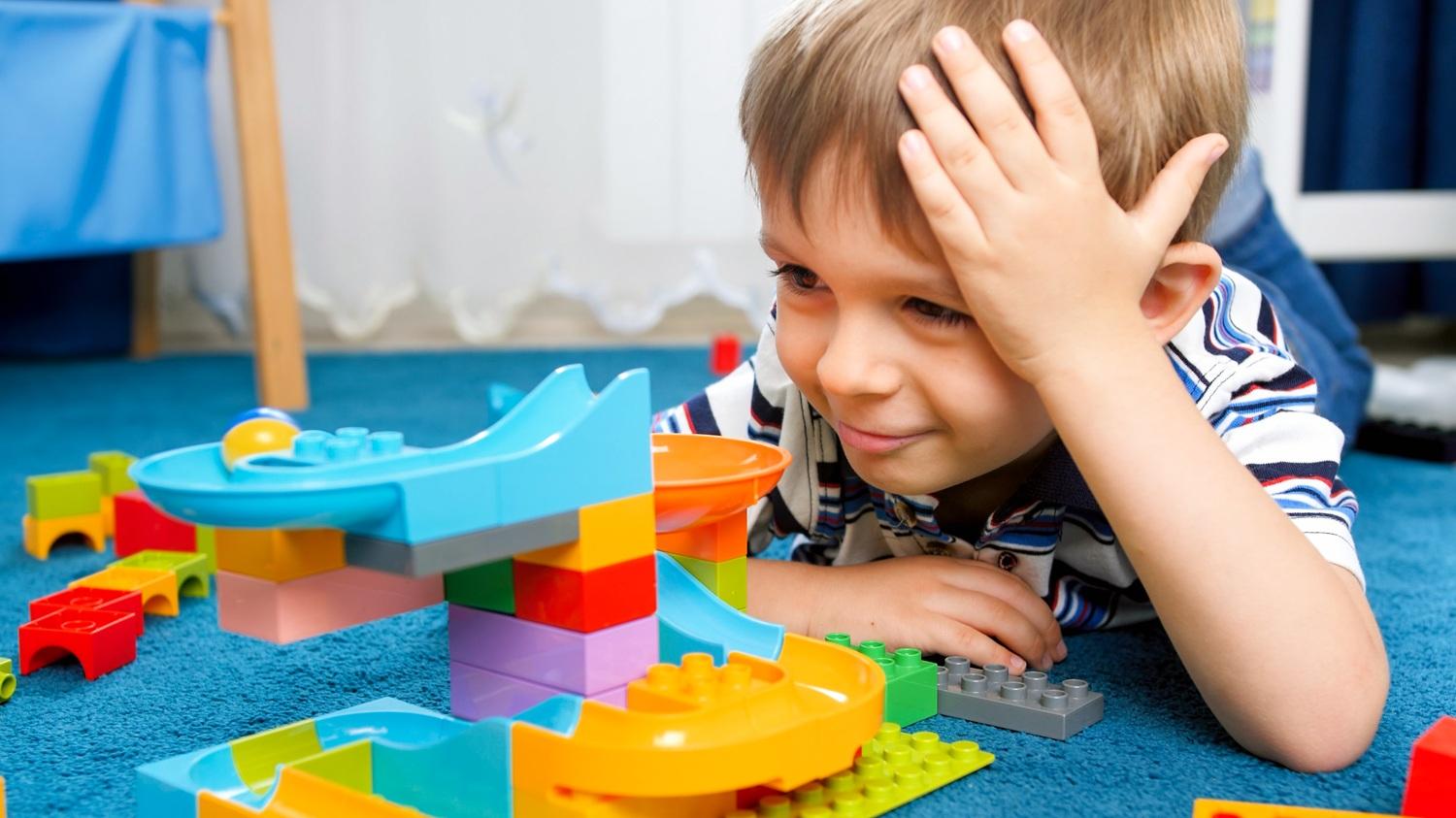
During childhood, sometimes motor disorders emerge that affect children's movement and their relationship with their environment. These problems can impact a child's independent movement, play, writing, communication, and even emotional and social development. Sometimes the disorder can be more serious, which is why these disorders are generally divided into severe motor disorders and mild motor disorders. Nowadays, there is also discussion about developmental motor disorders; examples of this group include coordination developmental disorder or tic disorders.
Disorder is defined as a mild or severe change in the functioning of an organ or system; for example, the nervous system. Therefore, motor disorders are defined as dysfunctions in the operation of the nervous system, which plays a role in controlling the organs of the human body, movement, and posture. These dysfunctions can affect coordination, muscle tone, balance, strength, or movement planning and can manifest with varying intensity.
What are Motor Disorders in Childhood?
Childhood motor disorders fall into the category known as developmental disorders. They typically emerge at an early age, often before the child starts primary school, and delays in developmental milestones such as crawling, walking, or using hands can be observed in the early years of life. These challenges affect not only mobility but also the child's relationships with others, school learning, play, and daily independence.
Among motor disorders, there can be distinct neurological and organic origin problems, such as childhood cerebral palsy or spina bifida, and more functional or mild conditions, such as tics or specific coordination difficulties. In current clinical practices, some of these conditions are also categorized into more specific diagnostic categories:
- Coordination Development Disorder: Children with poor motor coordination often fall, struggle with skills such as buttoning, cutting, or writing; without any obvious neurological damage or intellectual disability.
- Repetitive Movement Disorder: Purposeful repetitive movements, such as rocking or hitting, can be self-harming.
- Tic Disorder: Tourette Syndrome is characterized by involuntary movements or sounds, including persistent and transient tics.
It is very important to distinguish between a motor disorder that resolves with the child's maturation and a temporary motor developmental delay; this is a condition that requires assessment and treatment by specialists (pediatrician, child neurologist, physiotherapist, occupational therapist, psychological motor specialist, etc.). Early detection and early intervention help reduce the impact of the disorder on daily life and the child's future.
Severe Motor Disorders
Severe motor disorders include neurological, genetic, or structural pathologies that cause significant changes in movement, posture, and in many cases, other areas of development. Such disorders require continuous medical and rehabilitation follow-up and can significantly affect the child's future independence.
- Childhood Cerebral Palsy: Caused by organic damage in the brain, oxygen deficiency, infections in the mother or fetus, or accidents or metabolic diseases during the perinatal period. This disorder presents with the following symptoms:
– Stiffness and excessive excitement in the arms and legs, as well as abnormal and involuntary movements that make it difficult to perform delicate movements.
– Balance disorder affects movement and motor coordination, causing the child to have an unsteady gait or to be dependent on assistive devices.
– Muscle stiffness and the repetitive contractions of flexible and extensible muscles (tremors) can occur while at rest or when trying to move.
– Low muscle tone affects posture control and the execution of movement, causing the child to appear "softer" than normal and to have difficulty holding their head up or sitting without support.
Depending on the affected limbs, this condition is referred to as Tetraplegia (affecting arms and legs), Paraplegia (affecting the legs), Hemiplegia (affecting limbs on one side of the body), and Monoplegia (affecting a single limb). Additionally, motor disorders are often accompanied by sensory challenges, cognitive problems, speech disorders, behavioral disorders, and/or epilepsy; therefore, a multidisciplinary approach and coordination among different specialists is necessary.
- Spina Bifida: A spinal cord malformation that occurs due to incomplete formation of the spinal bones during pregnancy, leaving a gap in the lower back. This condition arises from the influence of genetic and environmental factors. Problems that this condition may cause include:
– Loss of sensation in the skin below the spinal cord injury, which increases the risk of injury or ulceration without the sensation of pain.
– Weakness below the level of injury, which can lead to paralysis of the lower limbs and directly affects walking and posture control.
– Weakness of the bladder and bowel muscles, resulting in urinary and bowel incontinence, significantly impacting the child's daily life and self-esteem.
- Progressive Muscular Dystrophy: Loss of muscle strength due to the degeneration of muscle fibers. This initially affects the leg muscles and may spread to other muscles in the body over time. This condition results from an unknown or hereditary genetic disorder. The child may have difficulty with activities such as running, getting up, or climbing stairs and may eventually require walking assistance or a wheelchair.
- Poliomyelitis or Infantile Paralysis: A viral-origin infection disease that attacks motor neurons, damaging nerve fibers in the spinal cord, leading to bone deformities and paralysis. Although vaccination has significantly reduced its incidence in many countries, it is still important to be aware of it in areas where vaccination coverage is not complete.
Minor Motor Disorders and Common Motor Difficulties
Minor motor disorders and motor difficulties in children are much more common than expected. Often, a child may be overlooked because they "just" appear clumsier, avoid certain games, or tire more quickly than others. However, this can have a significant impact on independence, academic performance (for example, writing), and self-esteem. This group includes both orthopedic-based disorders and coordination difficulties or distinct movement patterns.
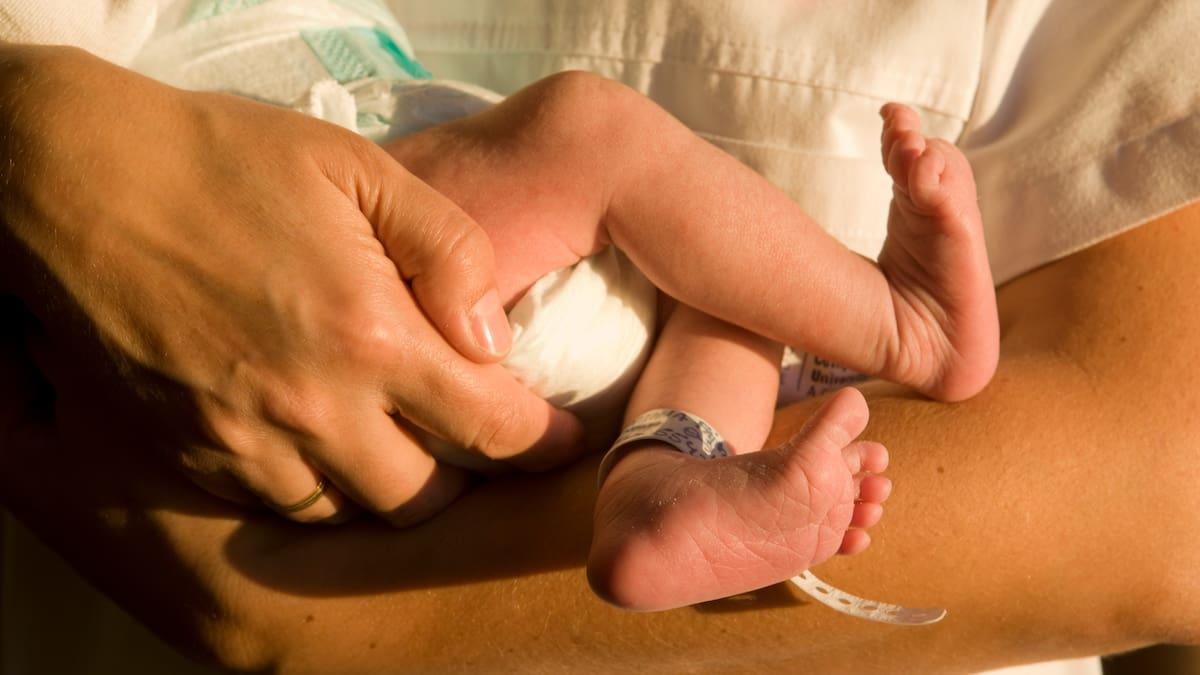
- Varus Foot or Clubfoot: A crescent-shaped curvature on the outer side of the feet of infants, with the front part bending inward, and the two big toes may touch each other. This disorder arises from a problem in the bone structure. This abnormality is usually minor and resolves spontaneously; however, if not monitored during the developmental process, it may affect the child's normal mobility.
- Motor Apraxias: Difficulty in coordinating movements to perform motor activities. This is characterized by motor coordination deficiency that produces slow and clumsy movements. This disorder can occur without a disturbance in the body schema; however, there is a neurological motor deficiency and a delay in movement organization, which makes it difficult for the child to plan and execute action sequences correctly.
- Motor Rhythms: Regular, sudden, and variable swinging movements of the head (cephalic rhythm), head and eyes (oculo-cephalic rhythm), or head and body (cephalo-body rhythm) with less or more regularity and varying width. These movements usually occur at night and are considered common in many young children, ending around two and a half to three years of age. The cause of these rhythms is interpreted as an emotional expression aimed at reducing the anxiety felt by the child due to unmet needs.
- Tics: The performance of simple, singular, or combined movements in an involuntary and seemingly irrational manner, suddenly and compulsively, at irregular but related intervals; representing an action aimed at a specific purpose. These tics usually arise from emotional reasons and a particular sensitivity of the nervous system around the ages of 6-8. Some examples include:
– Facial Tics: such as eyelids (blinking, opening eyes), lips (facial expressions), tongue (licking tongue).
– Respiratory Tics: wheezing, breathing, yawning, repetitive throat clearing, etc.
– Head and Neck Tics: such as lifting the head, shaking the head, turning the head.
– Body and Limb Tics: such as shrugging shoulders, arms, hands, and fingers (nail biting, scratching, finger snapping).
In today's diagnostic field, tics are categorized into different types: Tourette Syndrome (when there are multiple motor tics lasting more than a year and at least one vocal tic), persistent tic disorder (motor or vocal, but not both at the same time, lasting more than a year), transient tic disorder (motor and/or vocal, lasting less than a year), and undiagnosed tics. Repetitive movements (fixed and rhythmic patterns, usually affecting limbs, the body, or the entire body) are not considered tics; because their nature and causes are different.
Coordination Development Disorder and Other Motor Difficulties
In addition to these, many children experience a condition known as coordination development disorder or simply difficulties in motor coordination. This disorder typically affects school-aged children and manifests with significant motor clumsiness, which cannot be explained by a definable neurological disease or mental handicap.
These children may experience:
- Difficulties in fine motor skills, such as holding a pencil correctly, cutting with scissors, buttoning clothes, or using utensils.
- Difficulties in gross motor skills, such as running, jumping, throwing or catching a ball, balancing on one foot, or riding a bicycle.
- Frequent tripping or falling without an obvious reason.
- Slowness in performing daily tasks, which can lead to feelings of frustration and inadequacy.
At a very early age, delays in activities such as crawling, walking, climbing stairs, or tying shoes may also be observed. In these cases, early intervention (physical therapy, occupational therapy, or psychological motor therapy) is important to enhance the movement repertoire, coordination, and the child's confidence.
Warning Signs, Causes, and Therapy Approach
Most pediatricians are involved in psychomotor development assessment and the management of disorders: detection, diagnosis, informing the family, and intervention. Recognizing warning signs helps determine when to consult a specialist:
- Significant difficulty in holding or using objects correctly.
- Frequent tripping and falling without an obvious reason.
- Avoidance of physical activities or games that require coordination or motor effort avoidance.
- Ongoing difficulties with dressing, buttoning, or tying shoes despite being age-appropriate.
- Noticeable repetitive movements, tics, or unusual postures.
The causes of motor difficulties can be quite varied: genetic factors, attacks on the nervous system during pregnancy or birth, musculoskeletal disorders, delays in neurological maturation, or even lack of adequate motor stimulation in early years. In other cases, motor difficulties may present as secondary motor disorders associated with syndromes such as Down syndrome or autism spectrum disorders; here, reluctance to explore the environment may limit motor experience.
Various neurorehabilitation and support methods are employed to enhance the quality of life for children:
- Pediatric physiotherapy to work on muscle tone, balance, gait, and posture.
- Child occupational therapy to develop daily living skills, hand-eye coordination, and fine motor skills.
- Psychomotricity to integrate movement, emotions, and relationships with space and others.
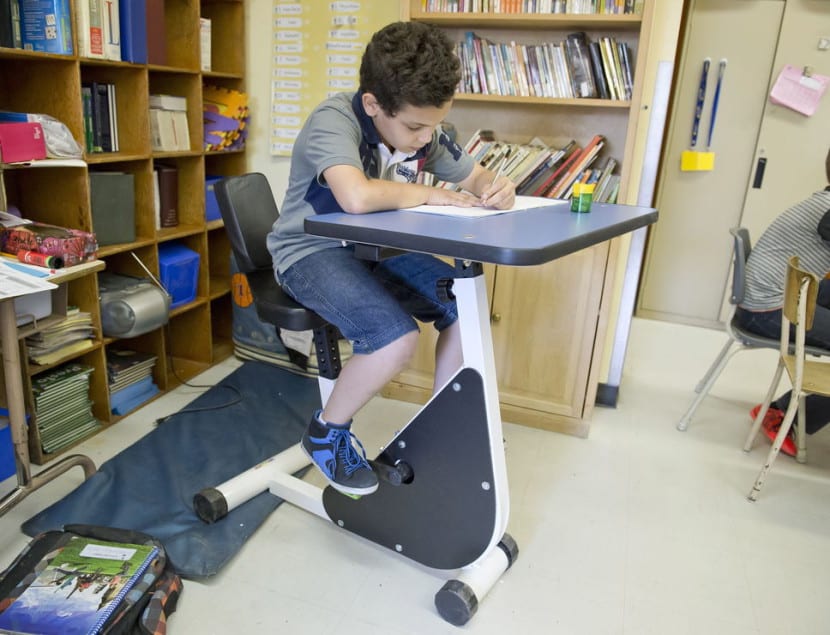
- Environmental adaptations (chairs, tables, tools, technical aids) to facilitate independence.
Families and educators can also contribute by encouraging games such as jumping, running, throwing, and catching and supporting activities that require manual skills, such as drawing, building, or shaping with dough. Continuous communication with professionals helps reinforce recommended exercises at home and school.
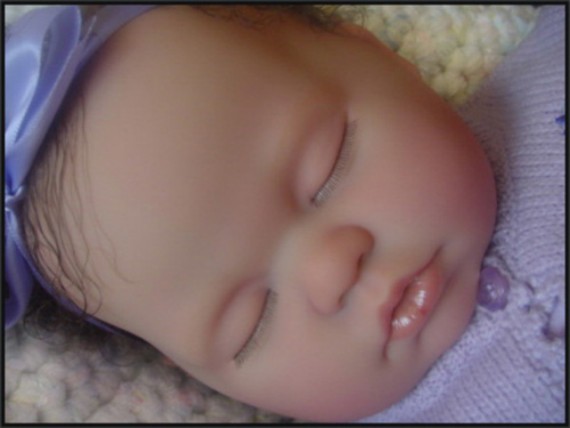
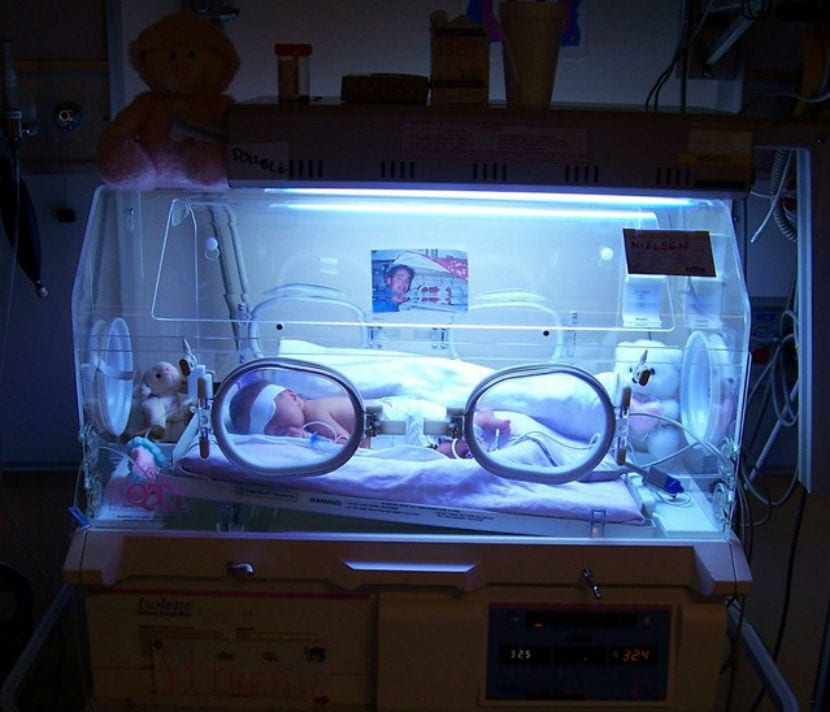
– Issues in the first weeks of infants.
Understanding that motor disorders in childhood range from mild difficulties to serious pathologies helps families seek timely assistance, and it is important not to underestimate or exaggerate the situation. An accurate diagnosis, well-planned intervention, and emotional support can make a significant difference in a child's independence, participation, and happiness throughout their life.























Comments
(10 Comments)