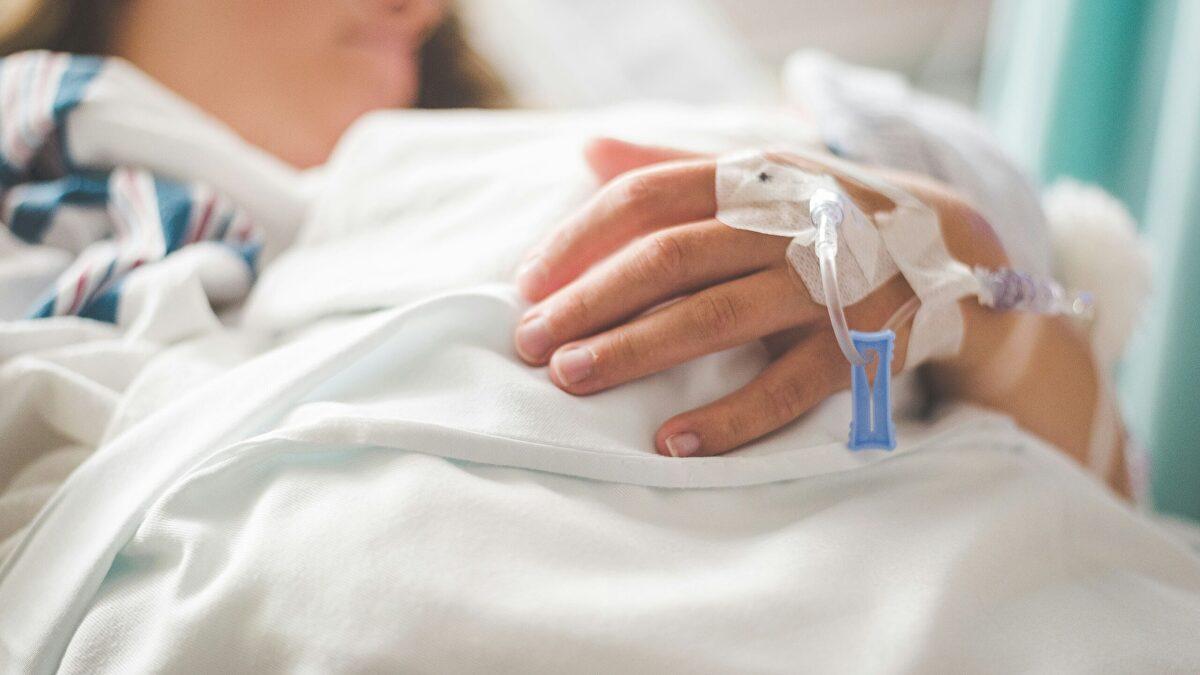
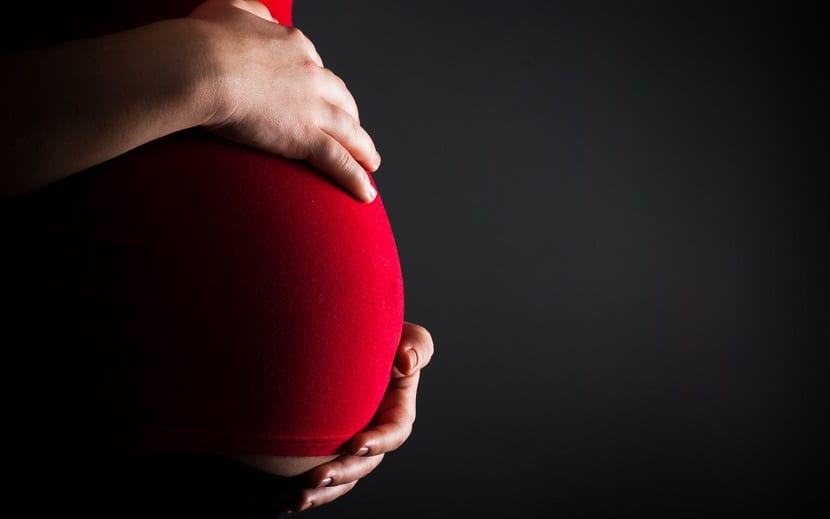
A 28-year-old pregnant woman, who had been pregnant for more than six months, died at home due to drowning. This incident deeply shook the neighbors in the Murcian town of Beniel. The event occurred in the early hours of the morning and triggered a large health and police operation.
According to health and emergency sources, the woman suddenly began to drown and was unable to breathe normally while at home. Despite her husband's quick intervention and the subsequent response from emergency services, both the mother and baby passed away in the hospital hours later.
Drowning Incident and 112 Emergency Call
The incident occurred around 9:00-9:05 AM. When the woman's husband saw that she was unable to breathe and was starting to lose consciousness, he immediately called the 1-1-2 emergency hotline. During the call, the situation rapidly deteriorated: the young woman experienced cardiac and respiratory arrest and became unconscious.
Due to the seriousness of the situation, the 112 operator redirected the call to the 061 emergency service and began giving instructions for CPR over the phone. While waiting for the health teams to arrive, her husband followed the instructions, but the woman's condition continued to worsen.
At the same time, the Emergency Coordination Center launched a large-scale health operation for this situation where a pregnant woman's life was at risk. The alarm mobilized several ambulances and specialized personnel in advanced life support.
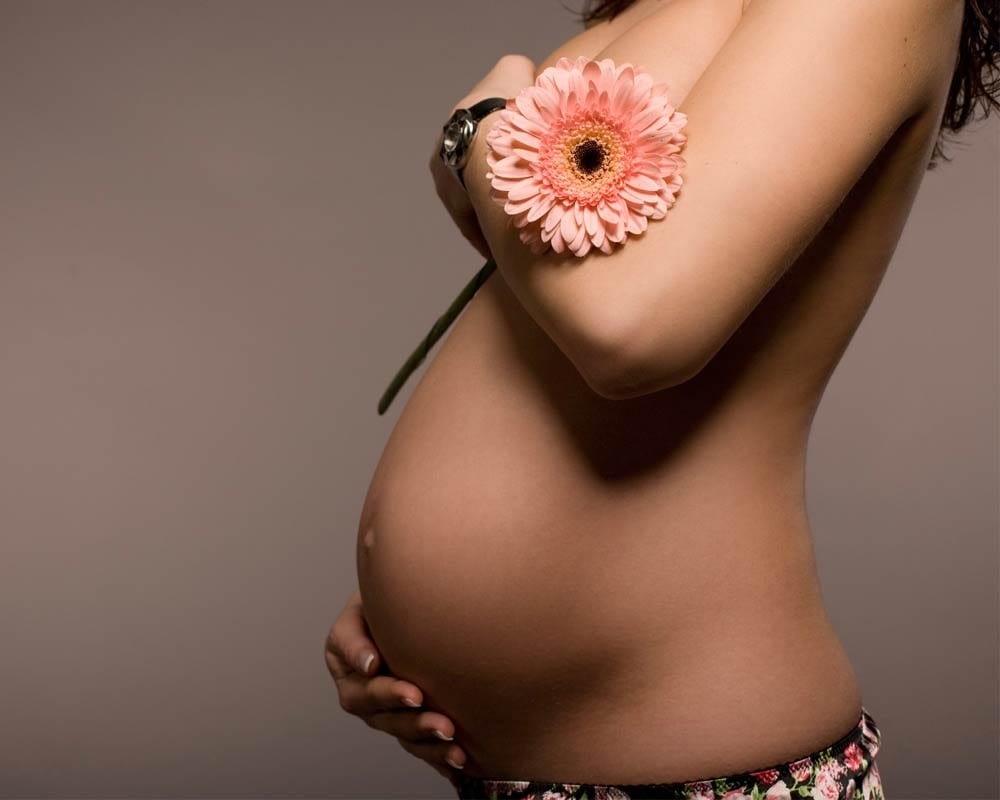
The woman, who was approximately 30 weeks pregnant (more than seven months), was in critical condition before the emergency teams arrived. Initial reports indicate that the drowning led to severe oxygen deprivation, resulting in cardiac and respiratory arrest.
When the health teams entered the home, they found the woman in very serious condition and continued the resuscitation efforts initiated over the phone, trying to restore her pulse and stabilize her vital signs. At the same time, they immediately assessed the baby's condition, as its life was also in serious danger due to hypoxia.
Large Health Operation at the Home in Beniel
A total of four ambulances arrived at the couple's residence; among them were several Emergency Mobile Units (UME) equipped with advanced life support and resources ready to care for both the mother and the baby. The operation included a unit equipped with a neonatal intensive care unit that could require emergency intervention for the newborn.
The medical teams performed resuscitation, stabilization, and continuous assessment of the mother and fetus's condition for approximately two and a half hours inside the house. The intensity and duration of the intervention highlight the complexity of the situation and the effort made to reverse it.
Sources from the Ministry of Health and the Emergency Coordination Center indicate that the woman's condition was critical from the very beginning. The long period without adequate oxygenation endangered not only the mother's life but also the development and viability of the yet-to-be-born baby.
The health teams constantly evaluated various alternatives, always aiming to increase the survival chances for both. They considered that a rapid transfer to the hospital could pose a greater risk to the mother and fetus without prior intervention.
In this pressure and urgency environment, the doctors emphasized the necessity of intervening there. After determining that a simple transfer would not improve the situation, the emergency teams decided to perform a rare but considered home surgical intervention in critical situations.
Efforts to Save the Baby with a Home Cesarean in an Emergency
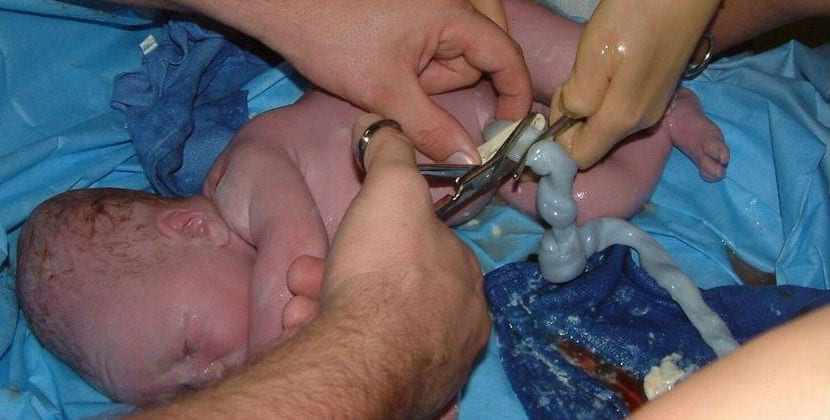
Ultimately, due to the mother's lack of signs of recovery and the fetus's risk of irreversible damage due to oxygen deprivation, the health teams decided to perform an emergency cesarean at home. The intervention was carried out under very complex conditions due to the lack of a hospital environment but was done to give the baby a chance of survival.
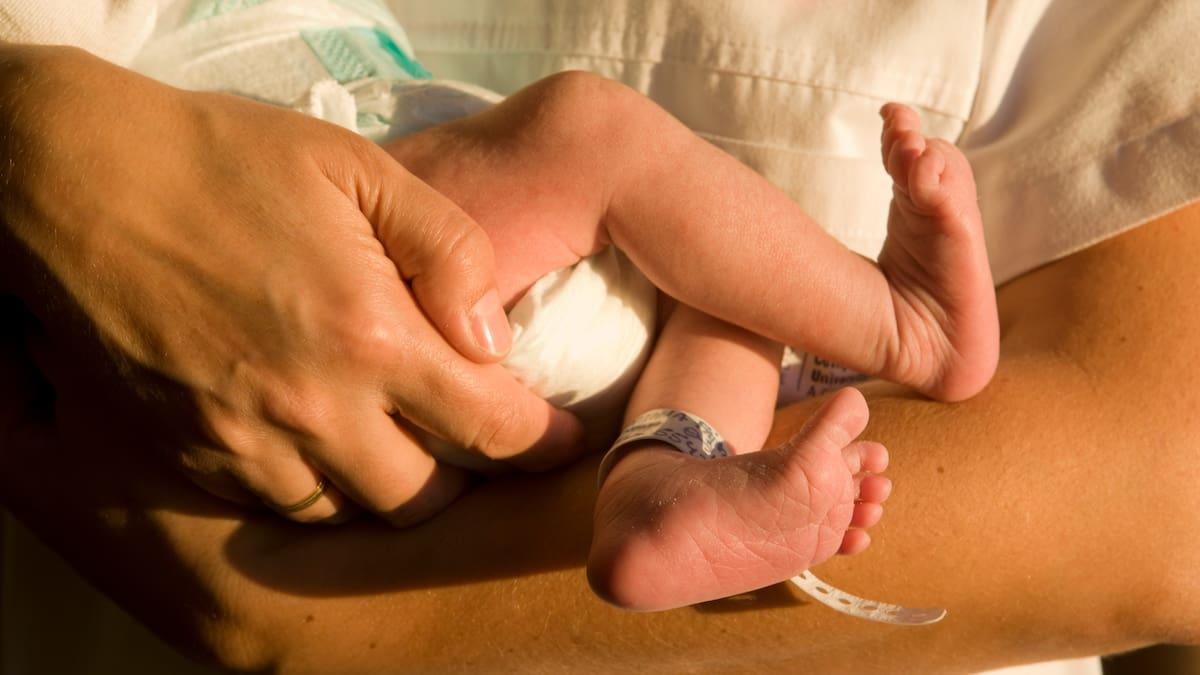
During the cesarean, the team continued to try to stabilize the mother's condition. According to health sources, the baby was born alive after the intervention, but its condition was extremely sensitive due to the hypoxia experienced during the abrupt interruption of pregnancy and suffocation.
The newborn was very premature and had not yet completed the final weeks of development, requiring intensive care from the very first moment. Professionals at home attempted to improve the baby's vital signs necessary for transfer to the hospital by applying life support, resuscitation, and stabilization measures.
At the same time, they continued resuscitation efforts to improve the mother's condition; according to different sources, the mother was either in cardiac arrest or continuing with very dangerous vital signs. The intervention occurred simultaneously: one team focused on the pregnant woman while the other team attended solely to the newborn.
After two and a half hours of continuous effort, a cesarean was performed and the first life support procedures were carried out; the teams decided that it was time for an urgent transfer to Virgen de la Arrixaca hospital. This hospital represents a regional reference point for maternal and child care.
Emergency Transfer to the Hospital and Loss of Life
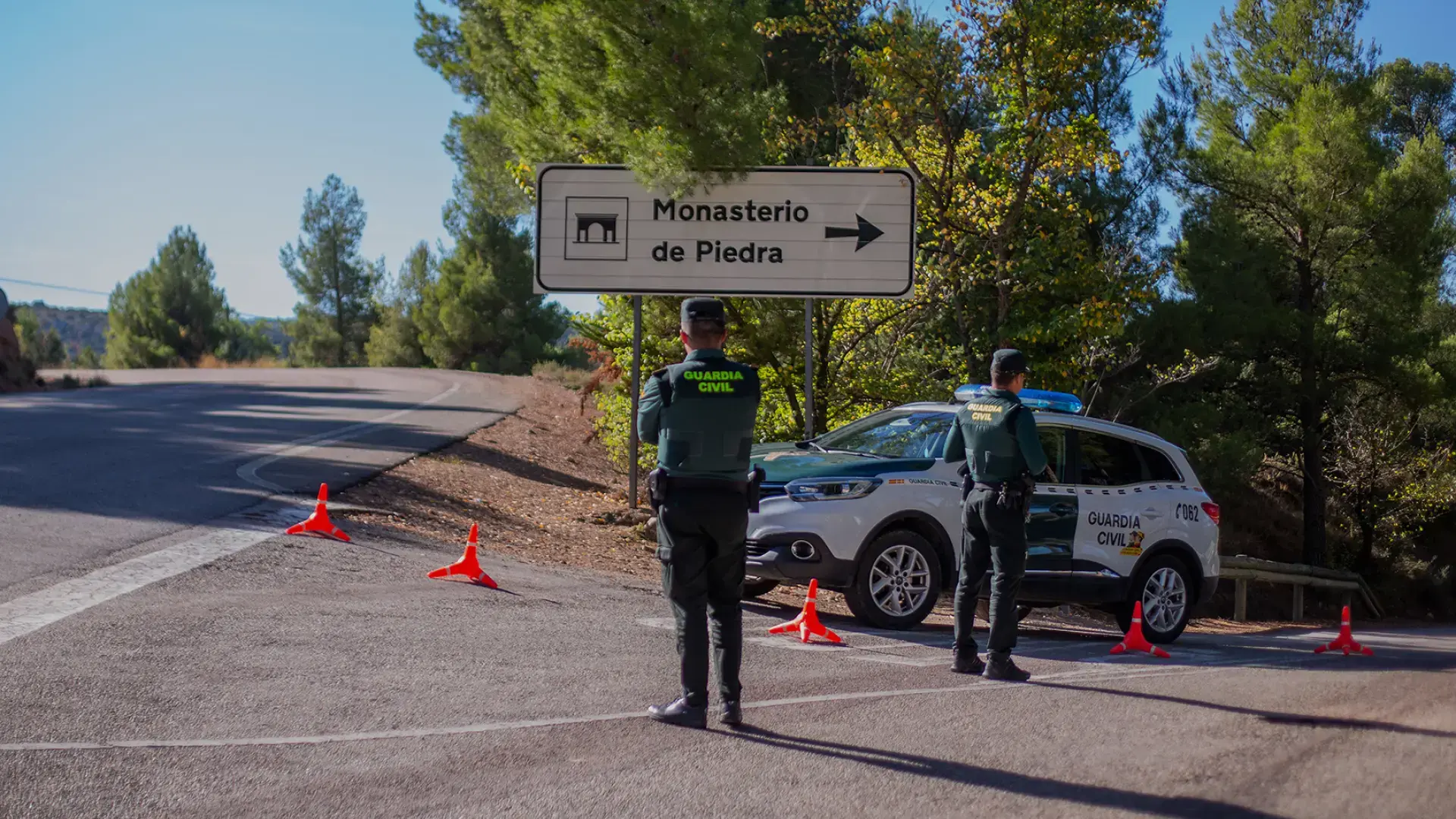
The mother and baby were taken into medical ambulances and urgently transferred to Virgen de la Arrixaca hospital, which is located in the Murcian town of El Palmar. Due to the extreme seriousness of the situation, an escort was arranged by the Civil Guard and Local Police to ensure that the health vehicles could reach as quickly as possible.
Police vehicles and several motorcycles cleared the way for the ambulances, allowing both the mother and the newborn to reach the intensive care unit and the hospital's specialized resources as soon as possible.
Upon arrival at the hospital, the woman was admitted to an adult intensive care unit, while the baby was directed to the neonatal intensive care unit; here, specialized teams for premature and critically ill patients continued the resuscitation and advanced life support procedures initiated at home.
For hours, health teams continued resuscitation, respiratory support, and intensive monitoring, trying to reverse the damage caused by suffocation and oxygen deprivation. Despite the ongoing efforts, both of their conditions remained extremely unstable.
Ultimately, as confirmed by sources from the Murcian Health Department, neither the mother nor the baby managed to overcome the severity of their injuries. Death occurred in the hospital; all treatment options provided by medical teams and intensive care had been exhausted.
Psychological Support and Strong Impact in Beniel
Due to the difficulty of the incident and the impact caused by the simultaneous loss of a young mother and her baby, a psychological support team from the Red Cross was deployed to assist the family. Psychologists specialized in emergencies came to the area to be with the couple, their relatives, and other family members during the initial moments when they learned of the outcome of the incident.
Such interventions aim to provide immediate emotional support in traumatic grief situations, such as sudden and unexpected deaths. The presence of emergency psychologists has become a common tool for helping both families and witnesses cope with challenging scenarios.
In the town of Beniel, in the Murcian Huerta region, this news spread rapidly, and many neighbors reacted with deep sadness to what had happened. According to local sources, the young woman was recognized in the area, which indicates that the tragedy had a significant emotional impact on the surrounding community.
Police and health sources expressed their sorrow over the outcome of the incident, highlighting the efforts of all intervention teams from the initial phone call to hospital care. Still, they remind that in some cases, the initial severity makes it very difficult to achieve a positive outcome.
As of now, no additional details have emerged regarding exactly how the suffocation occurred, and no circumstances suggesting criminal elements have been reported. Therefore, the incident appears to be a tragic home accident. The investigation is focused on reconstructing what happened and verifying all aspects of the incident.
Discussion on Drowning Incidents and First Aid Training
What happened in Beniel highlights the importance of recognizing serious signs of drowning in a timely manner and knowing how to act in the first moments. In this case, although both the couple and emergency services intervened quickly, this incident once again brought to the forefront the need for widespread basic training on drowning prevention devices and maneuvers to clear airway obstructions.
In Spain and other European countries, health institutions and resuscitation associations emphasize that a rapid intervention by bystanders can make a difference in many emergency situations. Techniques such as the Heimlich maneuver or basic chest compressions can help keep the victim alive until expert teams arrive, and it is also critical to know which foods pose a choking risk for small children.
In the context of pregnancy, experts remind that advanced pregnant women may require special adaptations for certain first aid maneuvers. Therefore, training for the general public and the ability of emergency services to provide clear instructions remotely is particularly important.
Beyond the immediate impact of this incident, health professionals frequently use such events to emphasize the necessity of continuous training programs in basic resuscitation. In various European countries, campaigns are being organized to ensure that schools, businesses, and apartment communities have at least basic knowledge of cardiac arrest and drowning situations.
In the Murcia region, especially in smaller towns like Beniel, the existence of coordinated systems among 112, 061, the Red Cross, and security forces is a critical factor in minimizing the consequences of such serious emergencies.
The drowning of this 28-year-old woman and her baby in Beniel has left deep sorrow in the town and throughout the Murcia region, while also highlighting the extraordinary effort of emergency teams and the fragility that can arise from a simple incident involving sensitive factors such as advanced pregnancy and sudden airway obstruction.





















Comments
(3 Comments)