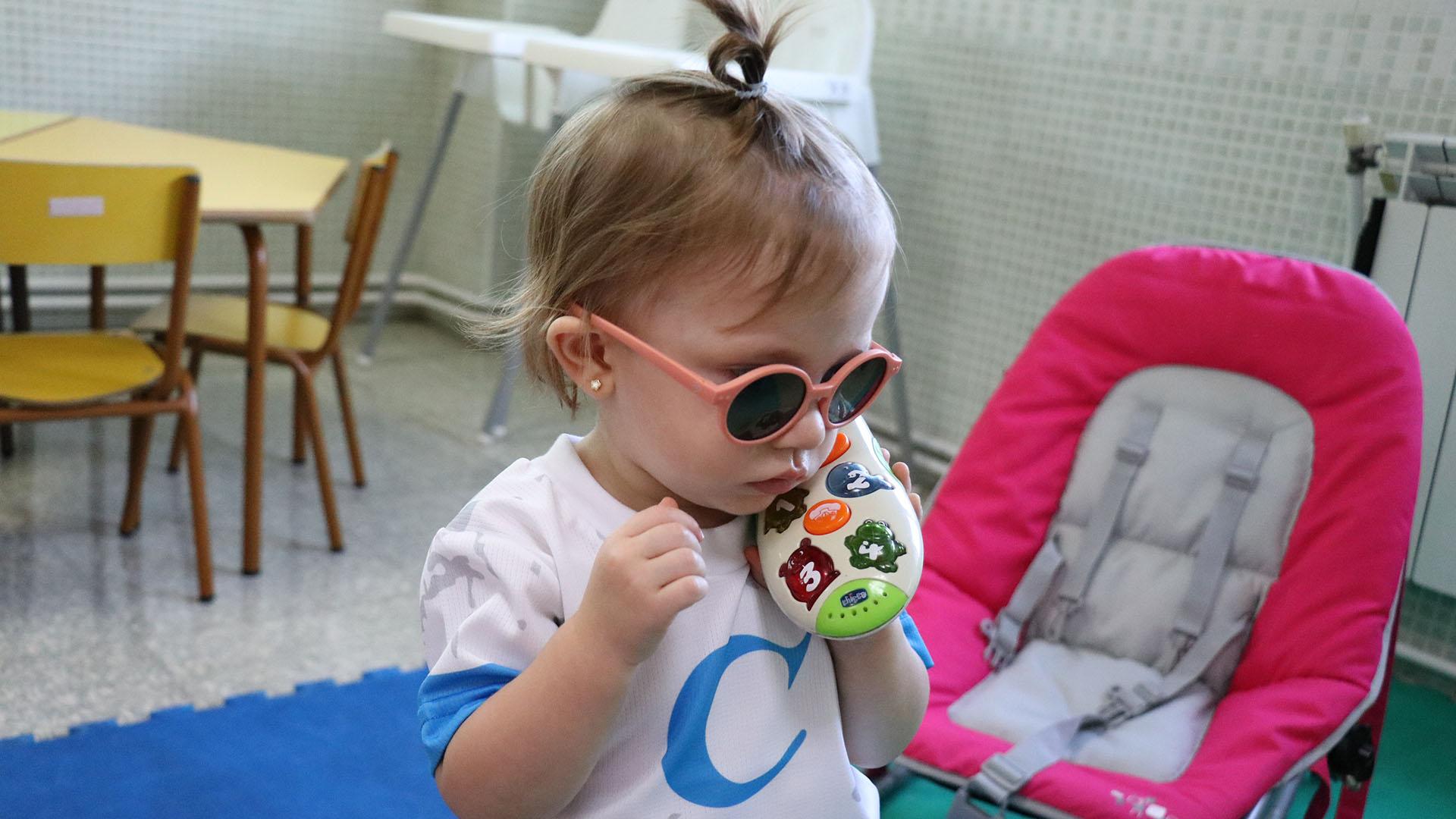
Every day related to childhood is important to me. However, on November 20th, the United Nations reminds us that we must fight to provide our youngest ones with a dignified education and life. One of the most fundamental rights that all children should have is play. To emphasize the importance of play in childhood, we came together today with the Memoryteca group: experts in neuro-educational games and cognitive stimulation.
The founders and partners of Memoryteca, Eva Forcadell and Pasqual Almudeve, discovered that some games, specifically chosen and adapted to enhance the learning ability of a child with attention deficit, are effective not just in one but in all four of their children's cognitive abilities.
Play: A Fundamental Right and Need in Childhood
When we talk about children's play, we are not just talking about a fun activity: play is a vital need for children. It is so significant that it is recognized as a fundamental right in the Convention on the Rights of the Child accepted by the United Nations. It states that all children have the right to rest, leisure, and play.
Play begins even before a person is born. Various studies show that the fetus engages in play movements, trying gestures, sucking, and motor responses even in the womb. From the first months of life, children develop an instinctual urge to play by exploring with their bodies, gazes, and the objects they can reach.
Play is one of the most important learning tools that help children discover how the world works and develop physical, cognitive, social, and emotional skills. Excessive restriction of play opportunities means limiting children's holistic development and long-term well-being.
Therefore, when we talk about the importance of play in child development, we are discussing not only a pedagogical issue but also a matter of health, rights, and quality of life. Providing time to play, suitable places, and adults who respect and support this process is a protective factor against stress, anxiety, and various learning and behavioral challenges.
Memoryteca’s Vision: Play, Brain, and Neuro-Education
Memoryteca operates from a central idea: play is the way our brain learns. The innate brain mechanisms of children allow them to learn by exploring, manipulating, and playing even when they are just a few months old. Utilizing this natural way of learning is one of the cornerstones of neuro-education and aims to align our teaching methods with how the brain learns best.
The Memoryteca group has validated in their family and professional experiences that appropriately selected and adapted neuro-educational games can strongly stimulate functions such as attention, memory, reasoning, creativity, and self-regulation. This is particularly valuable for children with learning difficulties, but it also applies to any child who wants to maximize their potential.
Their approach is not to turn play into a lesson but to define game mechanics that best activate every cognitive and emotional function. From this point on, they select materials and suggestions that children perceive as engaging games but also educate processes such as planning, cognitive flexibility, working memory, or tolerance for frustration.
This work is transforming into concrete experiences in homes, schools, and special centers, and it is observed that well-chosen play can be a real intervention tool to improve academic success, behavior, and children's emotional well-being.
Is Playing Fundamental for Children's Holistic Development?
MH: Is playing fundamental for children's holistic development?
Memoryteca Group: Playing is not just an activity, but a vital and essential need for the holistic development of children. There are many studies analyzing the contributions of play in early childhood, concluding that early and varied play positively contributes to all aspects of growth.
When a child plays spontaneously, they naturally integrate information from all their senses, experiment with cause-and-effect relationships, adjust their movements, and initiate complex thinking processes. This learning is particularly profound because it occurs in the context of intrinsic motivation: the child plays because they want to, it gives them pleasure, and not for an external reward.
Moreover, play provides a safe environment to try out roles, make decisions, and make mistakes. Unlike other more formal environments, mistakes in play are experienced not as failures but as parts of a challenge, which fosters a growth mindset and enhances confidence in the ability to learn.
The Impact of Social Rhythm on the Right to Play
MH: Do you think the right of children to play is influenced by the rhythm of society?
GM: Generally, yes, our society has been living in a constant state of stress for a long time. A hyper-connected and hyper-active society places excessive additional activity burdens on children and demands extreme competitiveness from them. All of this plays a significant role in negatively affecting the right to play naturally. Fortunately, more perspectives are emerging that encourage reflection on the necessity of children's right to play.
Between screens, homework, and routines, children now have less time to play freely. The American Academy of Pediatrics has emphasized that unstructured free play needs to be preserved as it promotes brain and emotional development, increases concentration, and reduces child stress. The lack of this play leads not only to short-term results like increased irritability or fatigue but also to less creativity, difficulties in self-regulation, lower self-esteem, and limited social relationship abilities in the medium and long term.
Play and Learning: Is it Possible to Learn Concepts Through Play?
MH: Some educational institutions place excessive importance on memorization. Is it possible to actively learn concepts through play?
GM: Certainly, especially if we are using manipulative play. Our professional team is testing and analyzing many experiences related to play in educational institutions. Our experiences and the feedback we receive from educational professionals we collaborate with show that manipulative play facilitates learning.
When play is used as a learning tool, it offers children direct and manipulative contact for experiencing. Play evokes emotional and sensory experiences that reinforce learning, and therefore we tend to remember things that always involve emotional engagement better.
From a neuroscience perspective, when a child participates in a motivating play activity, their brain releases more dopamine. This substance serves as an intrinsic reward and activates learning circuits, facilitating the formation of stronger and more lasting neural connections. Therefore, the content processed through play tends to be better reinforced than those presented only through theoretical or memorization methods.
Manipulative play (pieces, blocks, cards, sensory materials, etc.) combines action, perception, and thought. The child does not just listen or look; they also do, try, make mistakes, correct, and try again. This continuous cycle of trial and error creates an excellent foundation for meaningful learning in a safe and enjoyable context, whether in mathematics, language, science, or early literacy.
Skills and Abilities That Can Be Developed Through Play
MH: What skills and abilities can be developed through play?
GM: Play supports learning processes: attention, memory, constructive skills, creativity, and reasoning. At an early age, play provides motivation, develops critical thinking, enhances problem-solving skills, encourages curiosity, enables active learning, increases creativity and imagination, and stimulates the ability to solve challenges creatively. Additionally, it is a great tool for developing emotional education, communication, dialogue, self-control, and tolerance for frustration.
Experts often point out that play plays an important role in four areas: cognitive function, physical function, emotional function, and social function. During play, children process information, plan, develop fine and gross motor skills, experience and regulate emotions, and learn to relate to others.
- Cognitive function: supports memory, sustained attention, logical thinking, and creativity.
- Physical function: develops gross and fine motor skills, coordination, and balance.
- Emotional function: allows the identification, expression, and regulation of emotions in a safe environment.
- Social function: teaches cooperation, negotiation, waiting turns, and conflict resolution.
Types of Play and Their Contributions to Development
Knowing different types of play helps provide varied play environments that encompass all areas of growth.
Functional Play
Focuses on sensory and motor pleasure. Climbing, spinning, squeezing toys, or repeating movements helps develop attention, body control, and sensory exploration.
Construction Play
Aims to achieve a specific goal: building with blocks or materials. Encourages planning, spatial thinking, perseverance, and creativity.
Exploratory Play
Means actively exploring the environment, manipulating and comparing objects. Increases curiosity, sensory skills, and the formation of concepts about the world.
Symbolic or Role Play
Symbolic play offers the opportunity to represent reality, practice language, organize sequences, and develop empathy by taking the place of others. It also helps process real experiences (doctor visits, family changes, starting school).
Educational and Rule-Based Games
Designed to teach specific content or develop certain skills. Teaches adherence to rules, waiting turns, developing strategies, and enhances tolerance for frustration and working memory.
Free Play and Neuro-Educational Games: Two Complementary Friends
MH: What are the advantages of free play compared to neuro-educational games, and vice versa?
GM: We do not think one is superior to the other, as both are complementary and necessary.
Free play is a type of play initiated and directed by the child: it enhances autonomy, creativity, and initiative. Neuro-educational games are designed or selected to promote specific functions and include clear goals and rules. A balanced childhood requires plenty of free play and respectful educational game suggestions at specific points.
Play and Emotional, Personal Benefits
MH: What benefits can playing have for a child on an emotional and personal level?
GM: Many. Play develops cognitive and emotional abilities without stress, provides enjoyment, reduces tensions, and makes it possible to express feelings and emotions. It also enhances autonomy, problem-solving, self-esteem, and improves interpersonal relationships.
Play provides a safe space for practicing emotional regulation: examples of emotional learning, such as managing disappointment when a structure collapses or comforting a friend, arise during play.
Play, Kindergarten, and Play-Based Learning
In preschool education, play is the main pedagogical tool. Symbolic play corners, motor areas, experimental materials, and artistic suggestions support holistic development by facilitating movement, autonomy, and interaction.
MH: There are schools turning to play-based learning, and they are achieving great results. What is the reason for this?
GM: The introduction of play programs in schools offers an ideal stage for children: it motivates them, captures their attention, and provides a fun environment. They learn through play, experiment, explore, and accept mistakes as normal, which promotes development and progress.
Active play-based programs are associated with increased attention in class, a reduction in behavioral problems, and an increase in student participation. The child feels they play a leading role in their learning and shows more engagement.
Play, Values, and Emotional Education
MH: Is it possible to teach values through play?
GM: Of course. Special games and collaborative games for teaching values effectively convey messages such as cooperation, respect, responsibility, empathy, or solidarity.
Through symbolic play, topics such as gender equality, cultural diversity, or environmental protection can be addressed, and materials representing these themes can be presented, promoting stereotype-free role freedom.
Playing Alone, as a Pair, or in a Group: Different Forms of Relationships
Each form of play serves different functions: playing alone encourages independence and imagination; playing with adults strengthens emotional bonds and language; playing in a group fosters empathy, cooperation, and conflict resolution.
Where and When to Play? Spaces and Times for Play
It is very important for children to have access to their toys and to play when they need to. The entire home can always be a safe play environment. Additionally, in situations like travel, family visits, or waiting rooms, facilitating play with simple materials is also beneficial.
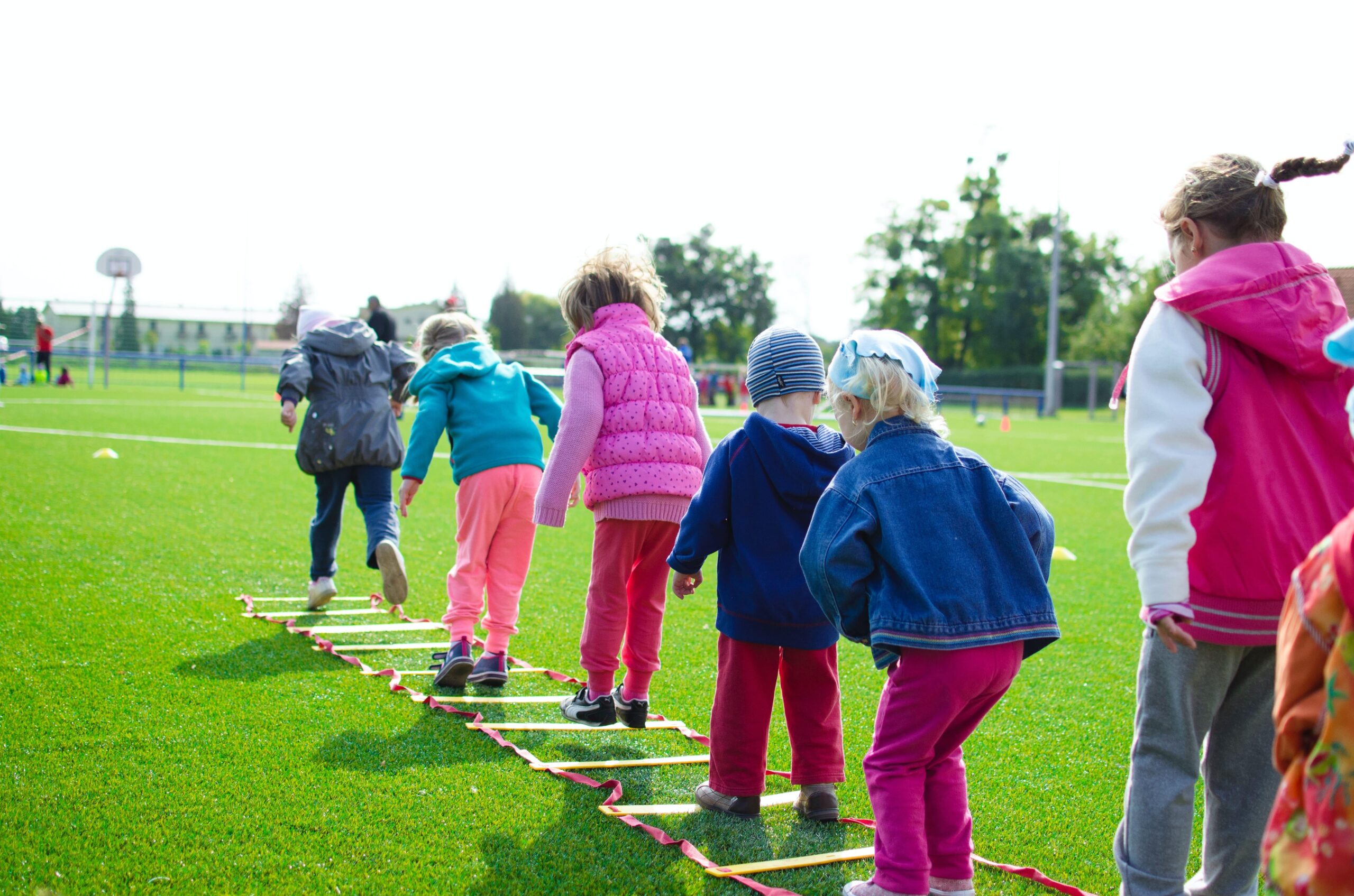
Outdoor spaces, parks, and squares are privileged settings for motor and exploratory play. Reclaiming these shared play spaces is vital for children's physical and social health.
Neuro-Education Games or Holiday Assignments?
MH: Christmas is approaching; do you prefer holiday assignments or neuro-education games that promote learning?
GM: If we have the choice, we prefer games, always respectfully considering different options and combinations. Games offer the opportunity to combine learning and fun, and holidays are a chance to step away from obligations and gain playtime.
Play is how our brain learns. The innate brain mechanisms of children allow them to learn through play even when they are just a few months old. We believe it makes sense to combine learning mathematics or language with specially selected games.
School breaks provide children with an opportunity to gain playtime and develop their skills comfortably and positively through board games, building, logic, reading, or movement.
The Importance of Parents' Role in Play
MH: What is the significance of parents in their children's play?
GM: We suggest a test for all parents reading this interview: sit on the floor at home for a day and have an open game in front of you without saying anything to your children. Observe their reactions. Children often perceive this implicit invitation and sit down to play, which demonstrates the importance of shared time.
At Memoryteca, we have observed that parents have a much more direct impact on their children's development than they think. Therefore, they developed a method called “Toolbox Memoryteca Kids.” This is a family method that includes neuro-educational games selected to stimulate cognitive functions for children aged 3, 4, and 5. The Toolbox is designed to strengthen emotional bonds while playing and provide fun neuro learning, enhancing neural connections.
Beyond specific projects, what is important is for adults to understand that playing with their children, even for half an hour a day, has a direct effect on their self-esteem, emotional security, and the quality of the bond. You don't need to be an expert: just being present and having fun together is enough.
Lack of Time for Screens, Homework, and Play
MH: We don't see children playing in parks and squares as often anymore. What could be the reasons for this?
GM: Stress, lack of time, pressure to keep children occupied with extra activities, homework load, safety concerns, and excessive screen use are reducing the available time for free play.
MH: “I didn't have time to play because I had too much homework.” What do you think about this statement?
GM: Hearing this makes us very sad. Children perceive the world through emotions, play, and love. If we don't provide these areas, a child's development may be limited.
Screens can offer fun and educational experiences when used in moderation, but if they take up a large portion of their time, they replace active play, movement, and real interaction. Providing a space for play every day is one of the best investments for children's well-being.
Managing Emotions Through Play
MH: Can emotions be managed through games?
GM: Yes. Play promotes the cognitive flexibility necessary for transitioning between changing thoughts and tolerating changes, serving as a laboratory for applying emotional regulation strategies: waiting for turns, accepting rules, managing frustration, and seeking alternatives.
Adults can take the opportunity to verbalize these situations and help the child manage their emotions healthily; for example, by suggesting to breathe, ask for help, or propose another activity.
Learning in a Fun and Enjoyable Way
MH: Children are happy when they play. Is it easier to learn in a fun and enjoyable way?
GM: Always. The most important learnings (speaking, relating, moving, thinking) occur in contexts of emotional interaction and play. Incorporating fun resources into teaching is not a decoration but an effective pedagogical strategy based on the brain's natural way of learning.
I hope you enjoyed our special interview for Children's Day! The founders of Memoryteca, Eva and Pasqual, realized that the same types of games that benefit their children could also be beneficial for other children with or without learning difficulties, and they invested in this. Play should be a fundamental right in childhood.
Considering all this, play is not just a fun resource but a true backbone of child development: it nourishes the brain, strengthens the body, builds personality, teaches values, creates strong emotional bonds, and provides tools to manage emotions and relate to the world. Protecting the right to play, providing time and quality spaces for it, and consciously supporting these experiences is one of the most valuable tasks we can undertake as parents, teachers, and society.






























Comments
(5 Comments)