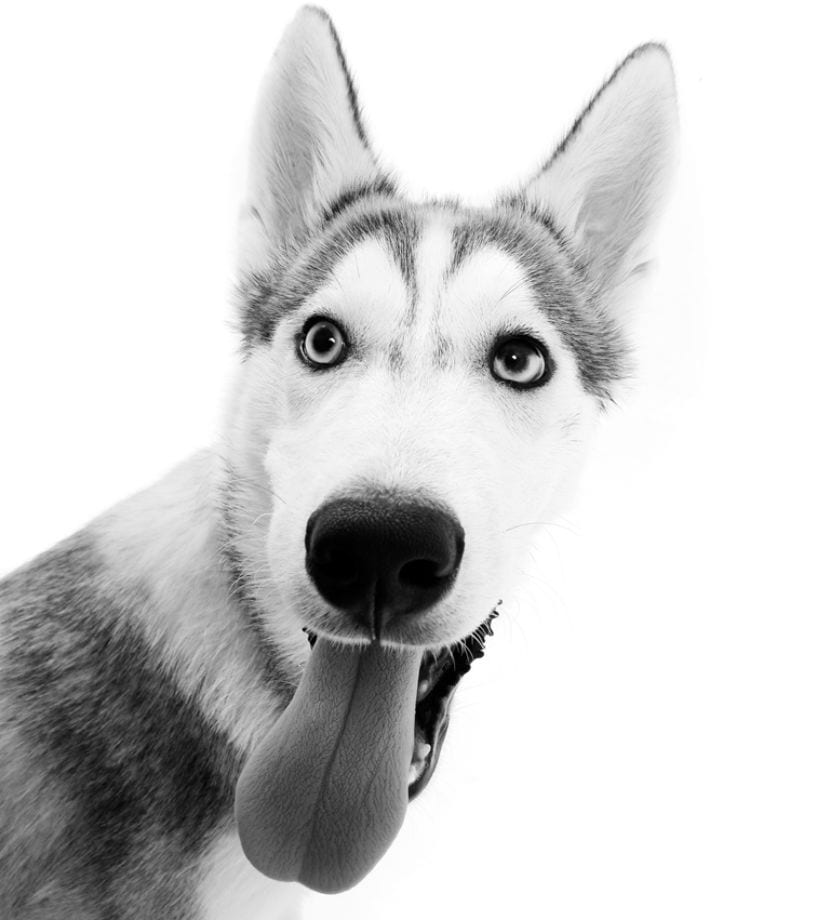
Do you have a pet and are you wondering if it will be a good friend for your baby? Perhaps you are even considering separating them. In this article, we will provide some simple yet comprehensive tips to ensure that our pet is as happy as we are when the baby arrives and to create a safe, respectful, and enriching living environment for everyone.
The arrival of a baby signifies a very important change in our family. When we have a pet, it is also a part of our family, so we must include it in the preparations for the baby. This way, it will be easier for the pet to accept the baby as a member of the group and not see it as a threat or a loss of attention.
The most common pets are dogs, so we will focus on them, but most of these rules also apply to cats and other pets, always adapting them according to their species and personalities.
Benefits of Your Baby Growing Up with a Pet
Before moving on to practical tips, it is important to remember why this effort is worth making. In general, having pets at home supports the cognitive, socio-emotional, and physical development of babies. There are many studies showing that children who grow up with pets are at lower risk for respiratory infections and certain allergies, likely due to early exposure to the microorganisms carried by animals, which strengthens their immune systems.
Additionally, living with a dog or cat:
- Encourages the baby's psycho-motor development through play, gentle following around the house, and curiosity about the animal.
- Increases empathy and responsibility, as the child learns that there is another living being that requires care and respect from a very young age.
- Reinforces self-confidence, when they feel the unconditional love of their pet and when it is their playmate.
- Can be a great emotional and physical protector; many dogs develop a strong bond with the baby and take on an almost "protective" role.
With all this in mind, you do not need to give up your dog or cat because of the baby’s arrival, only in cases of serious behavioral issues or specific medical advice. What is really important is to prepare the pet and the environment well and to minimize stress while ensuring safety.
Before the Baby is Born
It is important to ensure that our dog has received proper training and that we have good control over the animal. If the animal has been in the family for a long time, we likely know how it behaves and our ability to control it in different situations (visitors, noises, other dogs, etc.).
If the dog has recently joined the family, it will likely need a basic training process. Make sure that the dog has completed this process before the baby arrives and responds well to simple commands like "sit," "stay," "come," or "outside." These commands are very important for managing the baby's first interactions.
In addition to basic obedience, you should review:
- Vaccination and parasite treatment should be up to date to reduce health risks at home.
- Proper general hygiene: regular bathing, grooming, and external parasite control.
- Noise or resource guarding behaviors (food, toys, bed) can become problematic as the baby starts to move.
You probably won't be able to maintain your current walking and feeding times after the baby is born. A few weeks before the baby arrives, start adjusting the tasks you do with your dog to fit the new schedule. Be realistic: a baby requires a lot of attention and time, and it is recommended that the new schedule you start should be maintained after the baby is born.
Routine Changes and Stress Management
Dogs are creatures of habit. Sudden changes in their routines can create stress, anxiety, or unwanted behaviors. Therefore, it is beneficial to make adjustments gradually.
- Gradually change walking times and durations. Reduce or adjust walking times by 5 to 15 minutes each week to a level you can maintain with your baby, ensuring that the total daily time is no less than 45 minutes.
- Make small changes to feeding times if some of the baby's meals will be moved forward or backward, always strive to keep it consistent.
- Provide chewing toys and scent activities (hiding treats at home, scent mats, interactive games) to help your dog relax and manage stress better.
- Encourage autonomy: create moments when you are at home but not constantly interacting, so your dog learns to have fun alone with toys or in their resting area.
Prepare the Baby's Space and Allow Your Dog to Explore
Allow your dog to enter the rooms where the baby will be. Let them sniff baby diapers, clothes, or care products. This is a new scent for them, and the sooner they get used to it, the better. Additionally, by playing the sounds of the baby crying at a low volume, you can help them associate these sounds with a calm environment.
You can follow these ideas:
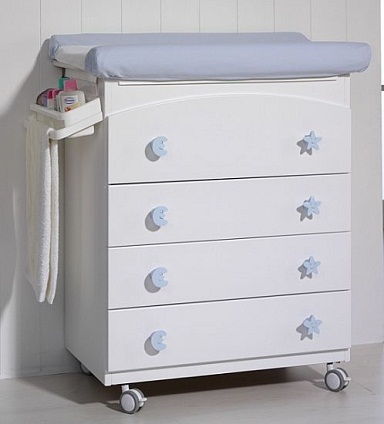
- Introduce the crib, stroller, changing table, and toys as a normal part of the house, allowing your dog to sniff them calmly.
- Reward and reinforce calm behaviors in their space or near their belongings, so they associate these with something positive.
- Set clear boundaries from the start: do not allow your dog to climb into the crib, stroller, or the baby's chair, and correct them firmly but without yelling when they try.
This might be a good time to change some of your dog's toys so that they do not resemble those of the child. This way, we prevent the dog from taking the child's toys or the child wanting to take the toys from the dog's mouth, which could lead to conflicts.
Spend Time with Your Pet
If you have a dog, it is important to maintain their daily walks. Try to create a few moments of 5 or 10 minutes that are specifically for them. Remember that it is important to maintain these special times even when your baby is born, even on tough days.
Do things like petting them, grooming, talking slowly and lovingly, playing with them, and giving them massages. It is important for our pet to understand that they are still important to us and continue to be a part of the family. This way, we minimize the emergence of jealousy feelings with the arrival of the baby.
If you think you will have busy days (for example, when you return from the hospital), consider contacting a trusted dog sitter or family members where your dog can spend a day or two. This is not to separate them, but to ensure they are also cared for peacefully and well.
When the Baby is Born
Before bringing the baby home, it is a good option to scatter some of its clothes around different places in the house. Leave them for your dog to sniff. Take advantage of these moments and give him rewards, pet him, and speak softly, so that the baby's scent is associated with pleasant experiences from the very beginning.
When you return home with your baby, it's time to introduce them. The dog will probably want to greet everyone, especially the mother. He may be overly excited, jumping, barking... He hasn't seen you for a few days and has felt significant changes in you over the past weeks, so now that you are back home he needs to show his joy.
How to Organize the First Meeting
It is important to prepare this moment calmly:
- Before entering with the baby, let someone greet and calm the dog. If possible, one of the parents can enter without the baby first, greet the dog, take it for a short walk, and let it expend some energy.
- Allow a pre-meeting with the mother without the baby, but bring one of the baby's clothes for the dog to smell.
- When everything has calmed down, it's time to introduce the new family member. Choose a quiet area without noise or too many visitors and prevent the dog from becoming overly excited.
Let someone else sit and hold the baby so you can supervise and control the animal. If the dog is restless or you are unsure of its reaction, it is better to put a leash or harness on it.
Allow the dog to sniff the baby, approach, and examine. It may react with fear or curiosity. Pet it and speak softly, encourage it to approach, but do not force it if it feels insecure. If the interaction goes well and the dog appears calm, reward it and speak gentle words.
If the dog's behavior is inappropriate, if it growls or shows a threatening attitude towards the child, scold it and take it to another room. Wait for a while, and when the animal has calmed down, try again with more distance and fewer stimuli. If it shows continuous signs of aggression, it is recommended to consult a dog trainer or ethologist as soon as possible.
While exhibiting aggressive behavior, do not say encouraging words like "okay, calm down". This may lead it to understand that it is being rewarded for this behavior. Speak in a neutral or firm tone and use positive reinforcement only when the behavior is calm and appropriate.
Basic Rules in the First Weeks
In general, during the baby's first weeks of life, it is recommended to keep the dog on a long leash or by your side when you are alone. This is based on the fact that it is not possible to pay attention to both at the same time and it is difficult to ensure safety in suppressing inappropriate behavior from the dog.
It is also recommended not to leave the dog alone with the baby initially. This does not mean it will exhibit aggressive behaviors, but it will definitely be curious and may try to get too close to the baby, potentially tipping over the crib or unintentionally harming it.
Additionally, experts recommend that the dog should never sleep in the room where the baby is. This helps prevent nighttime accidents and provides a safe resting area for each.
At this stage, consider the following important points:
- Continue to provide special attention moments to the dog despite the baby's presence, so it associates its presence with pleasant things.
- Ask guests to greet and pay attention to the dog as well, even if only for a few seconds, so that the dog does not feel forgotten by everyone with the arrival of the baby.
- Avoid physical punishments or yelling, as this only increases stress and worsens behavior. Always prioritize positively reinforcing appropriate behaviors.
When the Baby Grows Up
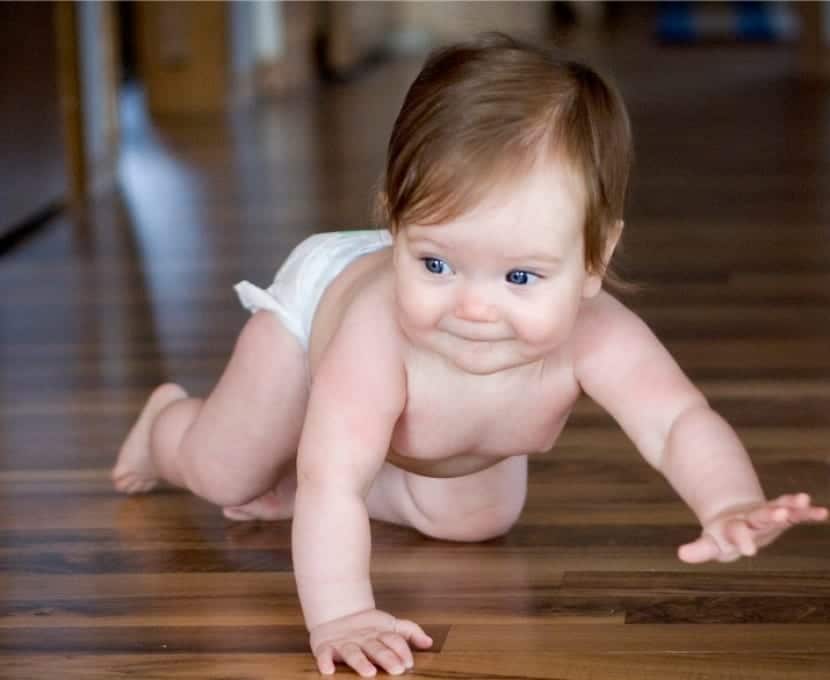
When your child starts to walk, there is a certain moment of danger. It is easy for them to fall and they may try to grab onto everything they can reach. This can scare the animal and may cause an accident if they hold on too tightly or fall on it.
At this stage, teach your child how to behave around the dog. They need to show respect for the dog's food and rest. The dog's bed, toys, and food bowl are not theirs, and explain that they should not disturb the dog while it is eating or sleeping.
Watch their play. The baby may not understand the dog's language when the dog is tired of a game or feeling uncomfortable. Signs such as moving away, licking its nose, keeping its body tense, or showing its teeth slightly indicate that it needs space. Teach your child to stop when the dog moves away or hides.
If your dog is older, it may have ailments, such as arthritis, which can cause it pain. This may lead to fear or a strong reaction if the child hugs it too tightly or tries to support it. In these situations, limit physical play and prioritize gentler, shorter interactions.
As your child grows, you can gradually involve them in pet care tasks: feeding it (always under supervision), helping to fill the water bowl, gently brushing, or picking up toys. This reinforces positive bonding and shared responsibility.
In summary: It is as important to teach the dog how to behave towards the baby as it is to teach the baby how to behave towards the dog. A child who understands that an animal can feel fear, pain, and fatigue will be more respectful and will maintain a healthier relationship with their pet.
They will gradually get to know and love each other and will definitely be inseparable friends and partners in many mischiefs. With good preparation, clear routines, constant supervision, and plenty of love, the life between your baby and your pet can be one of the most beautiful and enriching experiences for your family.

















Comments
(8 Comments)