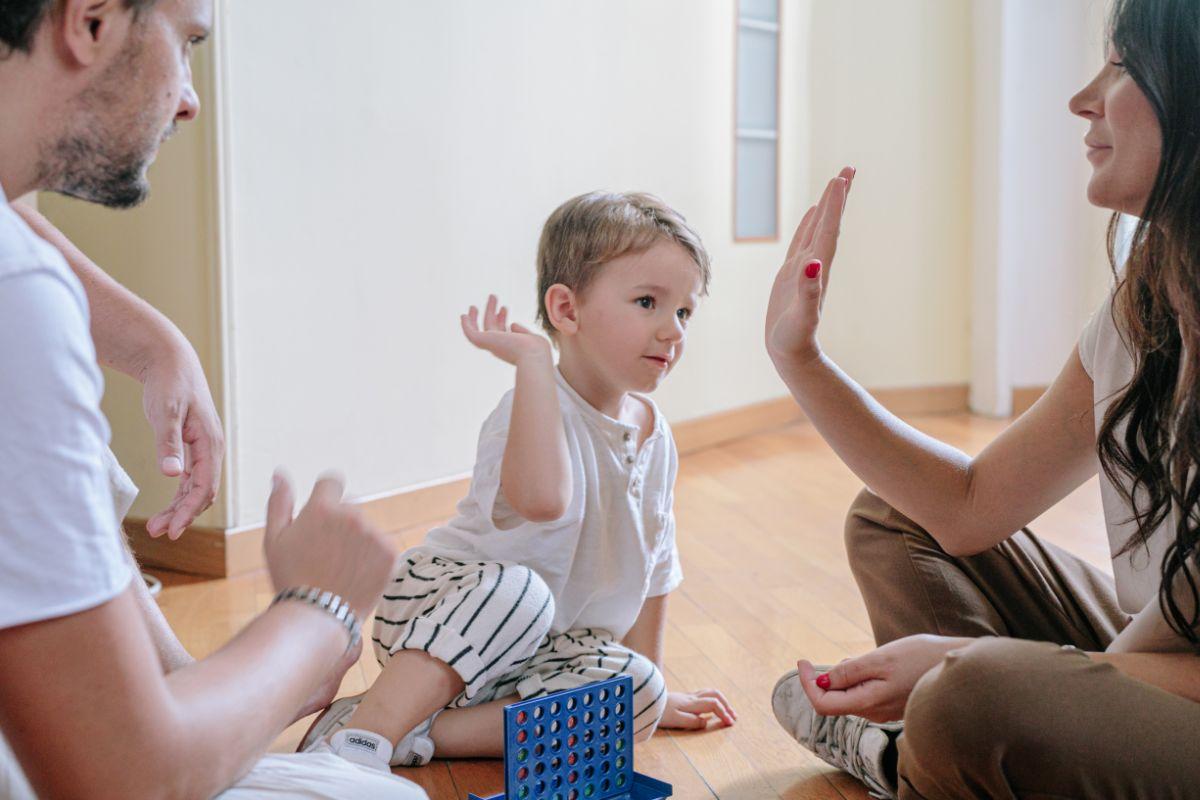
The term helicopter parenting was first used by Dr. Haim Ginott in a book in 1969. This term describes parents of teenagers who monitor their every step and are ready to intervene at the slightest difficulty.
This metaphor has gained popularity over time and is now associated with terms like hyper parents, hyper parenting, snowplow parents (those who remove all obstacles in the way), and overprotection. Although the nuances may vary, they all point to the same phenomenon: being so intensely involved in children's lives that it becomes excessive and restrictive.
Helicopter parenting refers to a parenting style where parents focus solely on their children and everything that happens to them. Helicopter parents often take too much responsibility for their children's successes and failures. Parents who adopt this style become so involved in their children's lives that they provide excessive control, show overprotection, and demand more than responsible and balanced parenting.
Who is a helicopter parent?
Although this term generally refers to the parents of teenage children, examples can also be seen in early childhood, adolescence, and adulthood. Various studies show that this style can continue even when children grow up.
For example, if a college student has trouble on an exam and their parent calls the teacher to discuss bad grades; or if a teenager is about to go for a job interview and their parent goes to speak with the company, these situations are examples of helicopter parenting. Additionally, there are parents who manage their adult children's social calendars, friendships, or administrative tasks, leaving their children with almost no autonomy.
The truth is that helicopter parenting is not only applicable to teenagers; it can be practiced at any age. Recent research has shown that this behavior is observed in college-aged children and young adults, and it is associated with increased anxiety, low self-efficacy, and greater difficulties in independent living.
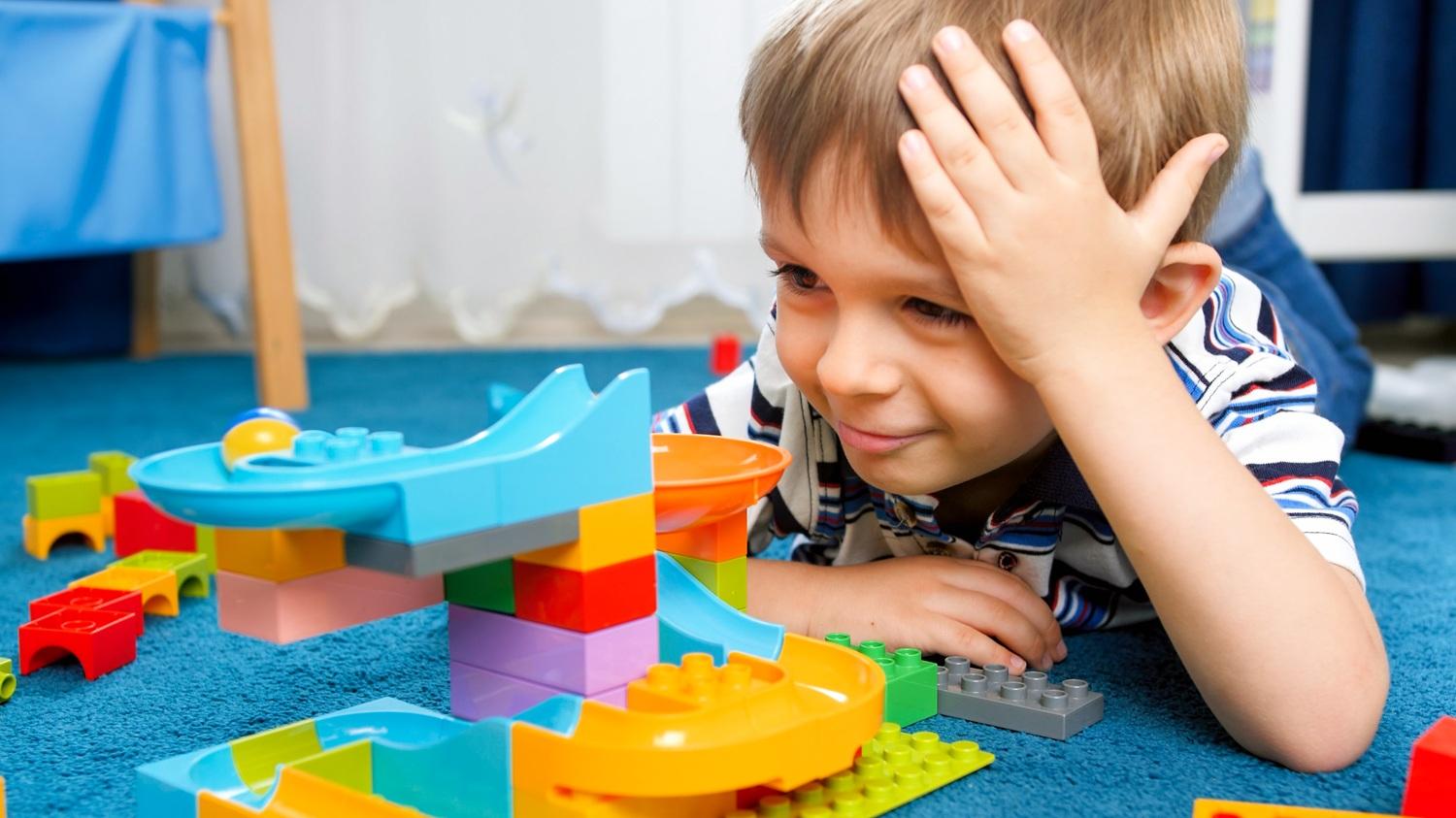
In young children, a helicopter parent can be a constant shadow, always directing their behavior and imposing limits that restrict all kinds of freedom: deciding who they will play with, how they will play, what they should say, when they should apologize, or how they should react to any setbacks, not allowing the child to try things on their own.
What causes helicopter parenting?
Helicopter parenting can develop for various reasons, but there are four common triggers to consider. In addition to personal factors, social and cultural changes also play a role in altering parenting styles.
In recent decades, factors such as competitiveness in education, the perception of a less safe environment, constant access to digital information, or the pressure to raise “perfect” children have been identified. All of these can lead many parents to overprotection.
Fear of negative outcomes
Parents may fear that their parenting will be poor and that it will lead to negative outcomes for both the child and the parents. The experiences that parents try to avoid often include: struggle, unhappiness, constant effort, or temporary failure.
They believe their children should not experience any negative experiences, but they forget that with their behaviors, they are hindering their children's maturation and learning from their mistakes. Various studies in developmental psychology indicate that when exposure to frustration is minimized, coping skills are also limited.
Diligence, struggle, temporary unhappiness, or effort to achieve a goal are great teachers for children, adolescents, and adults. These are not life threats, but they help them understand the value of things and struggle to obtain them. If you do not allow your children to step out of their comfort zone, you will raise insecure young people who are dependent on an adult figure to make decisions.
Feelings of anxiety
Concerns about money, work, health, and the general world can lead parents to want to overly protect their children and ensure that they are not disturbed by anything. This can lead parents to exert more control over their children's lives; this can extend from their school performance to their friendships or exposure to daily risks.
This way, they think their children will not feel anxious or be disappointed by the world. However, research shows that when adults constantly convey their fears, children learn to interpret the environment as dangerous and may develop more anxiety. It has been observed that the levels of fear in parents and children are often very similar; this indicates a strong emotional transmission within the family.
Overcompensation
Adults who feel unloved, neglected in their childhood, or overlooked by their parents may try to compensate for these negative feelings with their children. Sometimes, those who have experienced a childhood marked by emotional deficiency feel the need to offer the opposite.
Excessive attention and supervision are efforts to correct a deficiency they felt in their childhood. The intention is often good (not wanting to repeat the model they experienced), but the result can be an excessive presence that restricts children's autonomy.
Peer pressure from other parents
Parents may respond similarly when they see other parents being overly involved. Sometimes, while observing other helicopter parents, we think it is right to do the same and believe that not doing so means being a bad parent. Constant comparison and social expectations (for example, messaging apps in family groups or social media) can increase the feeling that “you need to be involved in everything.”
The feeling of guilt can make you think that you are not a good parent if you do not overly protect your children. Additionally, overparenting is often reinforced in an environment where risks, bullying, school failure, or internet dangers are frequently discussed; this fosters the belief that the only way to protect is to control every detail.
What are the consequences of helicopter parenting?
Many helicopter parents start with good intentions. It is a difficult balance: you want to adapt to your children's lives, protect them, and provide opportunities, but you become so complex that you lose sight of what your children really need. Committed parenting provides many benefits for children: they will receive a lot of love, feel accepted, and develop self-confidence. They will know that their parents are their guides and will have many opportunities to grow.
However, the problem is that this involvement becomes constant control. Research conducted with hundreds of families from different countries has found that helicopter parenting is associated with more behavioral problems, emotional difficulties, and worse academic adjustment over time. This is not just a phase; in some cases, the effects can continue into adolescence and young adulthood.
The source of the problem is that parents act with fear and base their decisions on what might happen to their children. In this situation, children begin to fear making their own decisions when their parents are not around. They do not feel free, think their decisions are not important, and believe they do not have to think or worry because others will do it for them.
Failure and challenges teach children new skills and show them how to manage problems and conflicts. If children grow up under helicopter parenting, their self-confidence and self-esteem will significantly decrease. The biggest problem with this parenting style is its counterproductive effect: the message given to children is that they cannot do anything on their own and, worse, that their parents do not trust them.
Studies on adolescents and college students raised by controlling parents have found that they have higher levels of anxiety and depression, lower self-efficacy (the sense of ability to overcome challenges), and lower academic motivation. Additionally, there has been an observed increase in the tendency to use avoidance coping strategies; that is, a tendency to escape from problems rather than solve them.
This situation can lead to an increase in anxiety in children and even reach levels of childhood depression. Children will not be able to develop life skills (resolving conflicts, taking responsibility, being organized, tolerating frustration), and parents will always intervene to solve problems. In the long run, this can lead to them feeling useless or inadequate.
The effects of growing up with helicopter parents at every stage
The consequences of growing up with helicopter parents can vary by developmental stage, but research shows that they have an impact on autonomy, emotional regulation, and social relationships.
- In childhood: children may struggle more with playing independently, making small decisions, or tolerating a "no" response. They may constantly seek adult approval and may hesitate when they do not receive clear instructions.
- In adolescence: overprotection can hinder their ability to build their own identities and make independent decisions. It has been observed that they have a lower need for autonomy and a lower ability to relate to peers; this increases the risk of family conflict and isolation.
- In adulthood: young people may experience lower self-esteem, fear of making mistakes, and difficulty taking reasonable risks (such as changing jobs, moving, or starting a relationship). They may also become overly dependent on their parents' opinions at every significant step.
What are children who grow up with overprotective parents like?
Determining whether a child has grown up under the influence of helicopter parenting can be helpful in understanding certain behaviors and emotions. Not all children react the same way, but there are some frequently recurring characteristics.
- Difficulty making decisions: they may feel insecure or fearful about making decisions on their own; because they are accustomed to their parents constantly intervening or making decisions for them.
- Low frustration tolerance: because they have not had the opportunity to encounter obstacles or experience failure, they may react with anxiety, anger, or hesitation when faced with negative situations.
- Emotional dependency: it is common to constantly seek approval from authority figures or to struggle with trusting their own abilities.
- Fear of making mistakes: the fear of making mistakes can limit their initiative and creativity; because they associate mistakes with negative outcomes or the possibility of disappointing their parents.
- Challenges in social relationships: insecurity may arise in interactions with peers, especially if their parents frequently intervened in social conflicts or decisions.
Recognizing these signs may be a first step towards bringing about positive changes in family dynamics and empowering children's autonomy.
Ways to avoid helicopter parenting
So a big question arises: how can you show your love for your children without hindering their capacity to learn important life skills? As a parent, you will have a complex job; you need to observe your children, understand stress factors, intense emotions, and real risks... and you also have to educate them. Achieving this may sometimes require you to suffer and for them to go through tough times.
Children should experience challenges, face disappointments, and endure difficulties. You should be their supporter and guide; however, YOU MUST NEVER do their work for them. Allow them to do what they can both physically and mentally. For example, it is reasonable to provide support in complex tasks; however, it is not right to systematically take over tasks they can do on their own. For instance: having your 3-year-old make their bed is good; but having your 13-year-old do it is a big mistake.
Parenting psychology emphasizes the importance of two main abilities: resilience (the ability to cope with and overcome difficult situations) and self-efficacy (confidence in achieving goals and solving challenges). Both develop when children are allowed to make decisions, take responsibility, and see the consequences of their actions.
Practical strategies to step away from helicopter parenting
- Allow them to make age-appropriate decisions: provide real options (clothing, activities, time organization) and give them space to choose, even if there is a possibility of making mistakes.
- Encourage problem-solving: instead of intervening immediately, encourage your children to find their own solutions and support them in the process, only helping when they need it.
- Accept mistakes as part of learning: adopt an understanding attitude towards mistakes and successes, help your children analyze and learn from them, and avoid catastrophic scenarios.
- Set clear but flexible boundaries: define rules and expectations, but allow your children to experience and take responsibility within those boundaries.
- Practice active listening and dialogue: ask them how they feel, what they think, and what they want, validating their emotions and opinions without always imposing your own perspective.
Changing an overly protective parenting style often requires a process of self-awareness and commitment. The goal here is not to cease to exist, but to transform that existence into a support that promotes autonomy, responsibility, and confidence.
Internal change: better protecting children by supporting parents
Many studies suggest that parents exhibit overly protective behavior due to their own desires, fears, and needs, rather than the actual needs or developmental characteristics of their children. Therefore, a significant part of the change involves looking inward.
To prevent children from adopting their parents' fears, it is important for parents to be willing to listen to and help express their children's fears; without automatically reflecting their own anxieties. Additionally, parents need to provide appropriate protection against stimuli that frighten their children and assist them step by step in overcoming these fears; they should develop creative solutions.
In order to provide support in this way, parents need to maintain their personal well-being: processing their own worries, reassessing unrealistic expectations, and learning to tolerate their children's mistakes. When concerns about children become difficult to manage or create too much conflict at home, seeking help from a mental health professional can be very beneficial.
An experienced parenting psychologist can provide personalized support, help identify overprotective dynamics, and offer concrete tools to move towards a more democratic, respectful, and balanced parenting style. Taking this step is not a failure as a parent, but a sign of responsibility and love towards your children.
Preparing children for life means not smoothing out all their paths but accompanying them as they learn to walk on their own, even when the ground gets rocky. Allowing them to make mistakes, supporting them when they fall, and trusting in their abilities is a profound form of care and will ultimately make them safer, more independent, and resilient individuals.






























Comments
(4 Comments)