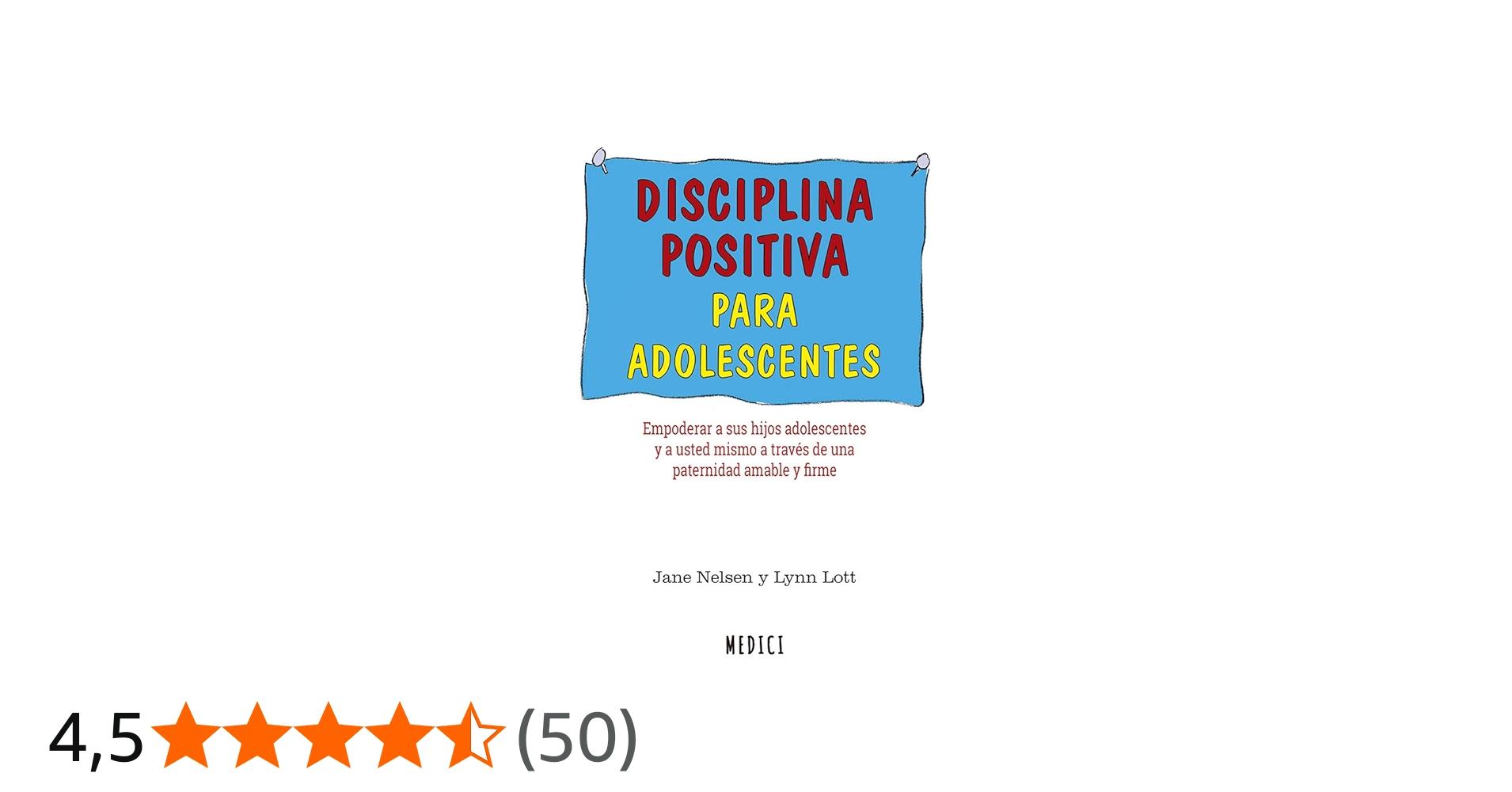
I had been waiting a long time to conduct this interview: Meet Antonio Ortuño, a Clinical Psychology expert and Family Therapist. Perhaps some of you are familiar with the Smart Families project, or you may have even read some of his books (“Smart Families (practical tips for education)” and “Who Tells the Story?”). I met him in a course I attended a few months ago, and I liked his approach, especially his view of not seeing children as problems when conflicts arise and placing the responsibility on the whole family.
Antonio has been working with childhood and adolescent issues for over 25 years and provides counseling to families so they can fulfill their parenting functions in a respectful and positive manner. Therapy and educational services are offered at the Smart Families psychology and counseling center; education is an activity our hero spends a lot of time on, collaborating with associations and groups (families or professionals). Without further ado, I leave you with the interview.
What does a smart family mean to you?
Antonio Ortuño: If we start from the definition of intelligence, it is defined as the capacity to use processed information appropriately to solve a specific situation. Therefore, we need to be smart in the education of our children. There are constant changes, we have to make decisions, we must solve situations.
As a result, education means providing our children with the tools to solve current and future situations. It is about helping them accept the changes that will occur in their lives and learn to adapt to the heterogeneous realities they will face. A smart family pursues this.
From the perspective of respectful control, a smart family does not only focus on managing behaviors, but also works to build a safe emotional climate. In this climate, love, clear boundaries, and the participation of all members in daily life come together. This includes not only correction in relationships but also positive discipline and respectful parenting approaches.
In this context, a smart family often asks the question: “What should my child learn from this situation?” instead of asking “How do I enforce obedience now?”. This simple question completely changes the educational approach and directs adults towards guidance, not punishment.
Components of responsible parenting: unconditional acceptance and respectful control
MH: What components are necessary in parenting and education for children to become responsible individuals towards themselves and others?
A.O.: There are two essential components that must be present in every educational recipe: unconditional acceptance and respectful control.
Feeling accepted is key to progressing, growing, maturing, and feeling emotional security. Our children need to know for certain, regardless of their behaviors, successes, or failures, that their parents love and approve of them. They should know that there is nothing in the world that could make us stop loving them, that they are being cared for, shown interest, and supported. They should always have the thought, “nothing bad will happen to me while my parents are by my side.”
Respectful control means setting boundaries in education and respecting their developmental rhythms. By organizing the fulfillment of their needs, it sets rules for them to gradually build their autonomy. Without requiring punishment, threats, or yelling.
This respectful control is compatible with the philosophy of positive discipline and combines firmness and gentleness. It means offering clear boundaries that are calmly explained, consistently supported, and addressing the feelings that arise when a child cannot get what they want, rather than letting everything go or forcing everything to be accepted. Thus, the boundary serves as safe guidance rather than humiliation.
In practice, for example, expressions like “because I want to” should be replaced with messages like “I understand that you want to continue playing, but we need to clean up for dinner.” Behavior is clearly directed, but connection is preserved with empathy.
Common mistakes parents make in education
MH: I think that mothers and fathers do not receive enough support in such an important task; let’s learn from our mistakes. Where are we going wrong?
A.O.: The goal of being perfect parents only creates helplessness and overwhelm. We all make mistakes. One of them is not sharing responsibilities; that is, taking on the education of our children alone and trying to be self-sufficient without benefiting from other educational supports.
Another common mistake I encounter is constantly lying to our children. Without bad intentions, we say one thing but do another. For example, I say NO but I do YES.
Inconsistency in adults causes great harm to children. Another mistake is seeking obedience and responsibility. The goal is not to avoid mistakes but to make as few mistakes as possible and learn from them.
Additionally, there are other common mistakes that contradict respectful control: making yelling a habit, applying punishments unrelated to behavior (“if you don’t clean up, you won’t go to your birthday”), making threats that are hard to fulfill, or conversely, avoiding any conflict for fear of the child suffering.
When we confuse boundaries with harsh control or yelling, we teach that power lies with the strong and manage emotions with fear. When we abandon all boundaries to prevent crying, we convey the idea that discomfort is unacceptable and that the other must always back down. Respectful control suggests maintaining clear boundaries while supporting difficult emotions.
Clear-headed traffic light: a practical tool of positive discipline
MH: Can you explain how the “clear-headed traffic light” works?
A.O.: The clear-headed traffic light reflects three parenting skills: SAYING NO (red light), NEGOTIATING (yellow light), and TRUST and RESPECT (green light).
In recent hours, any mother or father has said NO to their child, negotiated, or asked them to do something on their own. The clear-headed traffic light tries to provide tips for doing this in a respectful, balanced, and simple way, so that our children learn to say NO, negotiate, and respect and trust others' decisions.
It is an effective technique that is valid at every age and can be adapted to every family format, promoting our children's responsibility and happiness. I invite every mother or father who wants to learn more about this to read my book titled Smart Families: Practical Tips for Education, where I explain it in detail.
When we connect this model with positive discipline, we can understand each color as a type of boundary:
- Red: non-negotiable boundaries that protect physical or emotional safety (no hitting, no insults, no going out alone…). Here, firmness is at its maximum, and the adult's message is clear and concise, accompanied by emotional support.
- Yellow: areas where the child can participate in the decision-making process and situations where a common solution is sought (ordering tasks, playtimes, activities…). Negotiation practice is conducted and the sense of responsibility is strengthened.
- Green: areas where the child can now make decisions independently and situations where the adult plays a role of trust and guidance (dressing style, interests…). Here, autonomy and self-esteem are nurtured.
Using this “traffic light” model in education helps parents review whether their approach is very strict (completely red), very ambiguous (completely green), or confusing (constant color changes). Respectful control requires a conscious balance among these three areas.
Boundaries within the family: criteria and implementation
MH: In your experience, are boundaries necessary in family life and education? What criteria should we establish? Are they negotiated or imposed?
A.O.: There are boundaries in every educational environment. Moreover, in every social environment. Therefore, it is very important for parents to set boundaries, but to do so respectfully, seeking balance between responsibility and happiness, between obligations and desires. The rational traffic light technique helps clarify boundaries, regardless of who in the family has to make decisions.
Parents should distinguish three situations while resolving daily conflicts. Some issues need to be managed by parents, and children should not be given the authority to solve these problems because they do not yet have the resources for decision-making (red light); other issues should begin to be solved by children, with our help (yellow light); and there is a third group of issues where our children no longer need us, as they now have the resources to cope with their reality with a certain guarantee of success, and our role as parents is to be there with respect and trust.
To ensure that these boundaries are truly respectful, it would be beneficial to consider some criteria inspired by positive discipline and healthy boundary models:
- Clarity: the boundary must be clear and understandable (“we talk without shouting at home”) and should not be vague (“behave well”).
- Consistency: it must be applied consistently and should not depend solely on the adult's fatigue. Inconsistency creates insecurity and rebellion.
- Age and development: the boundary should be adjusted according to what the child can really do.
- Mutual respect: how it is done is as important as what is done. No can be said without belittling, labeling, or mocking.
- Educational function: the goal is for the child to learn self-regulation, not to obey out of fear.
Our value is to present a simple and effective educational model that approaches emotions gently and behaviors decisively, establishing a balance between responsibility and happiness.
Conflicts within the family: inevitable but very valuable
MH: You talk about conflicts in your courses; are they inevitable within the family? What good things do we gain when resolving a conflict?
A.O.: If you randomly ask ten parents whether they experienced any conflict or issue with their children yesterday, the results of the survey can be easily predicted. The same will apply to children. It is impossible for the rational traffic light in each parent's mind to overlap with others, and it also does not overlap with what is in their children's minds. If a mother thinks red (NO) and her child thinks green (YES), a conflict arises. Additionally, if a mother thinks red and her partner thinks another color, the situation is the same.
In families, the issue is not having problems or conflicts, but how we handle and resolve them. During childhood and adolescence, it is very important to take advantage of the many opportunities and moments we have to manage conflicts positively, as this provides the necessary dose of trust for them to show responsibility at different developmental stages. A well-functioning traffic light makes this easier.
From the perspective of emotional self-control, every conflict is an opportunity for adults and children to practice essential skills: recognizing their emotions, regulating the intensity of the emotion, expressing needs in words, and seeking solutions that consider everyone. When an adult can maintain calm (even if angry), they send a very powerful message: “our emotions do not control us, we can control them.”
Applying respectful control requires following a simple sequence connected to positive discipline:
- Connect before correcting: validate what the child is feeling (“I understand that stopping the game has disappointed you”).
- State the limit: remind them briefly and clearly (“it’s time to turn off the console”).
- Offer alternatives or solutions if possible (“we can save the party and continue tomorrow”).
- Maintain the limit while continuing in a determined but respectful tone, despite the emergence of anger.
When this method of resolving conflicts is repeated, children learn that problems are not about feeling anger or sadness, but rather what we do with it is important. Even in moments of conflict, the relationship with their parents continues to be a safe place.
Frustration and tolerance for waiting: the role of respectful control
MH: How is frustration amplified? Are we coping with it worse than in previous decades?
A.O.: Frustration is a psychological mechanism that has always accompanied humanity and helps us manage desire and reality. That is, we expect something, reality does not provide it, and we need to feel frustrated so that we can redesign our expectations. Our children are like machines in producing frustration (which is very healthy), and then we as parents manage these desires and align them with reality, meaning we give them the color of the traffic light.
If your child wants to take your phone for a while, for example, and they want it, you have three options to bring it down to reality: not giving it to them (red), telling them you won’t give it until they put on their pajamas (yellow), or giving it directly (green). There is no frustration at green, there is definitely frustration at red, and there can be frustration at yellow. And to help our children tolerate frustration, it is very important to stay in the color you set. Compared to previous decades, frustration is met with less tolerance today because we are very quick to change colors.
Positive discipline emphasizes that limits are not the enemy of happiness but a healthy ally of emotional development. While holding a necessary “no,” accompanied by tears or anger, we help our child build tolerance to frustration, self-control, and resilience without giving in or punishing.
Conversely, when moving from red to green is done only to prevent a tantrum, the implicit message becomes “if you insist enough, the limit disappears.” This increases power struggles, makes living together difficult, and does not teach the tools for adulthood since the realities of life do not always yield to our desires.
Happy family and smart family: how does it look in daily life?
MH: Can you describe what characterizes a happy family?
A.O.: In a happy family, in an intelligent family, protagonism is shared respectfully. There is an interest in everyone's experiences, a recognition and sense of belonging aimed at understanding and caring for each other's lives. There is a constant process of readjustment, to enjoy being together in daily life, in countless interactions. After each interaction, they strive to ensure that their children separate in a better way.
In a happy family, in an intelligent family, the desire for uniqueness and differentiation is encouraged, and the growth rhythm of all members is respected. Feeling useful and special (showing their own abilities to the world) is a vital need.
In a happy family, in an intelligent family, enjoyment is sought every day, and they try not to go to bed without engaging in an interesting activity, which can be individual or in a group, at home or outside. They strive to live reality in the most authentic way, to have a passion for things, to live life in its most sincere form. Happiness gets along well with what is present.
In the education framework, unconditional acceptance and respectful control must always be present.
In a happy family, in an intelligent family, a sense of humor is considered to mean a tolerant attitude towards life and challenges. They learn to accept difficulties better, take control of their own lives, and trust their coping styles against life events. Laughing strengthens family bonds. Approaching life with a humorous perspective improves parenting functions. Laughing is a good investment.
In a happy family, in an intelligent family, there is a pursuit of change and progress. They are curious, ambitious, and love to discover new things. They provide resilience, meaning they believe in their abilities in the face of challenges and trust their coping styles. They embrace conflicts not as problems but as challenges and opportunities.
When we evaluate these characteristics in terms of healthy boundaries, we see that a happy family is neither a gathered one (with unclear member boundaries) nor a disconnected one (with excessive emotional distance). It is a family with clear and flexible boundaries: there are rules and norms known by everyone, but there is also room for individual expression and negotiation according to age and situation.
In these families, adults continuously model emotional self-control. This does not mean they won't get angry; they allow themselves to feel, calm down before intervening, apologize when they make mistakes, and show that intense emotions can be managed without harming anyone. This example is more valuable than any theoretical discussion.
Respectful control in daily life: concrete strategies
To ensure that the above remains more than just theory, it is beneficial to transform respectful control into concrete actions in daily life. Inspired by the keys of positive discipline and healthy boundaries, several strategies can be highlighted:
- Connecting before correcting: connecting with what the child is feeling before setting a boundary. A sign of closeness, a look at their level, or an empathetic expression (“I see you are very excited about this”) opens the door to cooperation.
- Positive and specific language: focusing on what is expected (“we speak quietly at home”) instead of listing what cannot be done. This provides clear direction and reduces resistance.
- Related and respectful consequences: using logical consequences related to behavior instead of arbitrary punishments (helping to clean up when water is spilled) and emotionally supporting them if they struggle to accept these.
- Adult self-control: maintaining one's tone, pausing for a few seconds to breathe if necessary, and then continuing to speak. A calm parent is the best educational tool.
Another helpful strategy is to create a small “family agreement” with a few clear rules (3 or 4) together with the children. These rules cover what is truly important at home: how we speak, how we maintain shared spaces, or how screens are used. Involving children in this definition increases their commitment and sense of belonging.
It is important to remember that respectful control is a process, not an immediately attainable goal. There will be easier days and other days that are more turbulent, but the attempt to set boundaries calmly, every sincere apology, and every conversation where you truly listen to the children is important on the way to building a smarter and happier family.
“In a smart family, protagonism is shared respectfully. There is an interest in everyone's experiences, a recognition and sense of belonging aimed at understanding and caring for each other's lives.” This sentence is very valuable to me and I believe that each of us can build smarter and happier families, which will benefit every member, but especially children and adolescents, who will feel accepted and safe by establishing certain necessary boundaries. I thank Antonio for his cooperation and wish him success in his work at Madres Hoy.
Maintaining unconditional acceptance, applying respectful control, and using tools like rational traffic lights, positive discipline, and emotional self-control is not a trend in education, but a solid way for our children to grow with strong roots and their own wings. It is important for them to know that their families love them as they are and guide them with clear and gentle boundaries.









































Comments
(5 Comments)