Is it really that important to celebrate your baby's 1st birthday? For many people, this is a big event, and preparations start months in advance, with every detail being done with great care, and they try not to forget anything during the Big Celebration.
While organizing this special date, many questions arise: Who is the party really for?, What kind of celebration is more suitable for such a small baby?, How much should be spent and where should it be celebrated so that everyone is comfortable. Resolving these questions calmly will help you enjoy that day more and experience less stress.
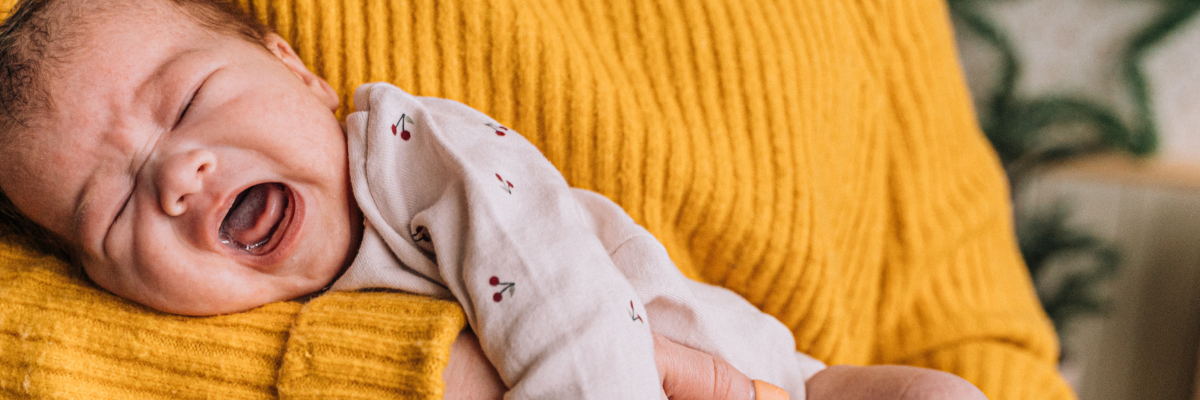
There is a question here, Are we celebrating the baby, or the parents and family? Because most of the time, the person being celebrated is not even aware of the party; for them, it's just a noisy day, and if they are used to a peaceful environment, they will probably cry throughout the celebration and sometimes even sleep. Is all this spending, time, and sacrifice worth celebrating someone who does not yet recognize their own honor, or are they looking forward to the house being empty?
Many mothers will say yes, because they will claim that the baby will remember this moment when they grow up, but this undermines the purpose of birthday celebrations; because we know that these celebrations are meant for the honored person to feel good and, most importantly, “to enjoy”.
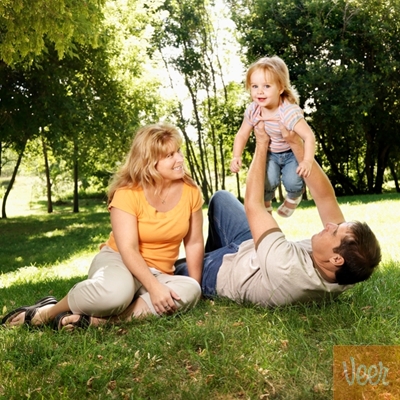
Nowadays, many parents carry the dream of celebrating their baby's first year, and therefore hold big celebrations that affect the whole family; however, some other parents prefer to spend that day just with their first child, taking them to a picnic, the sea, or places where they will feel comfortable: it could be a playground or any place where babies can comfortably spend time with their parents.
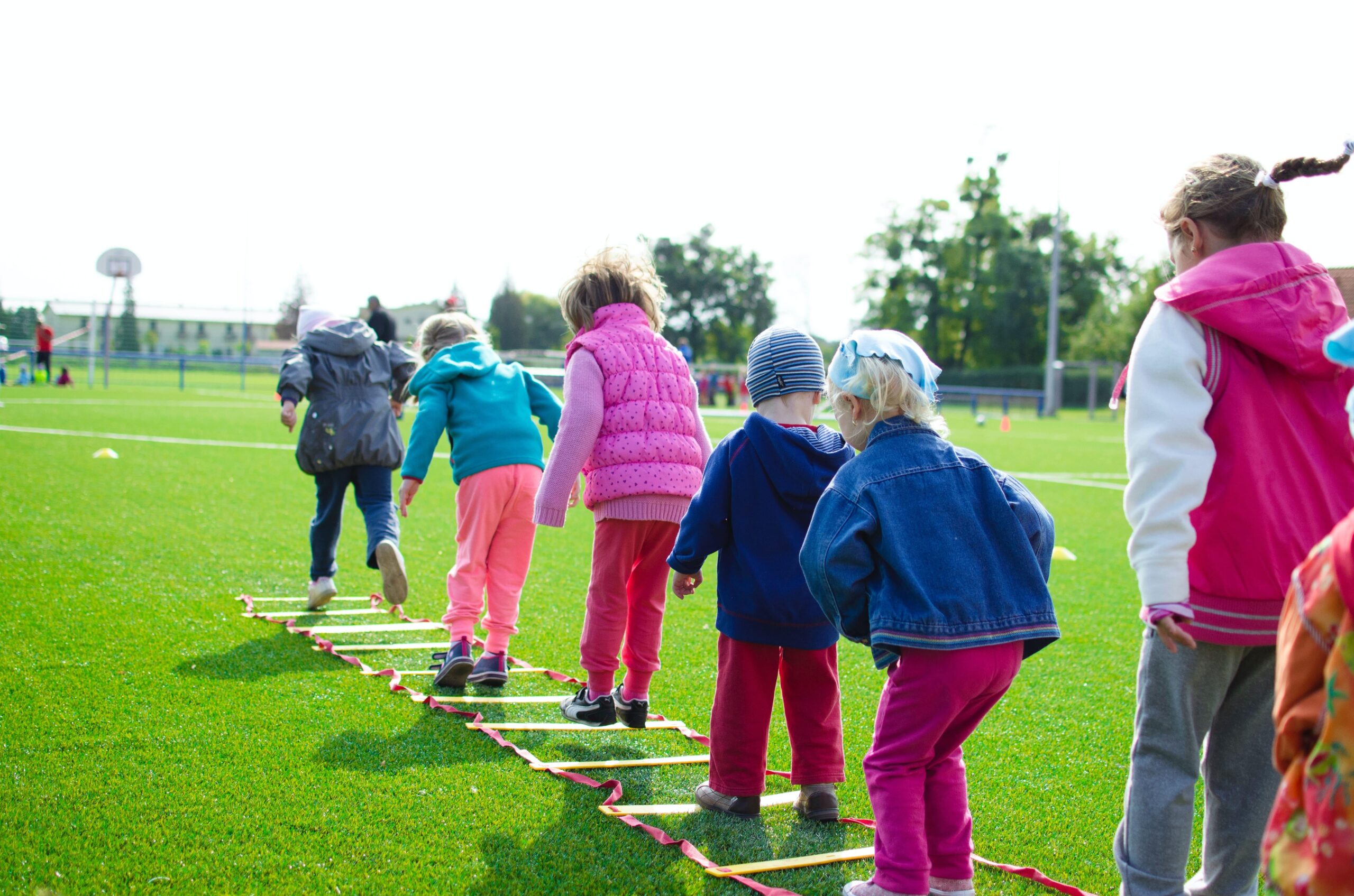
Many parents believe that celebrating from the age of 5 makes more sense for their children these days, as at that age, children better understand what a birthday party is and know that they are the honored person; therefore, that day should be very special. By renting games, magicians, puppets, and clowns, they ensure that the honored person feels special and understands that everything is done for them, making them feel like the KING OF THE PARTY... What do you think?
Crowded Party or Intimate Celebration?
At this age, babies particularly enjoy personal attention and can be frightened in noisy environments, with unfamiliar people, or sudden changes in their routine. Therefore, before deciding what type of party to hold, it is important to assess whether the little one would feel better in a small gathering with a few guests or in a larger celebration.
Some parents prefer a small party by limiting the guest list to ensure the baby stays with comfortable and supportive figures. Others choose to organize a large gathering to share the first year of life with grandparents, uncles, friends, and colleagues. No option is better than the other: what matters is to respect the baby's character and not force them into overstimulating situations.
Regardless of the number of participants, it is quite likely that babies will want to be in their parents' arms or close to them, especially if they are feeling a bit overwhelmed. Organizing the party in a way that offers them comfortable spaces, calm moments, and opportunities to rest will make a difference in their comfort.
When and Where Should the Baby's First Year Be Celebrated?
Choosing the right time of day is very important. Many babies prefer to celebrate in a good mood after resting. Ideally, a short party lasting one to two hours should be organized; this should end before bath and dinner, so that established routines are respected as much as possible. In cases where other babies will be attending, it will be helpful to ask their parents about sleep times, so that everyone does not get tired at the same time.
The location of the celebration also has a significant impact on how the baby will feel. The most recommended option is usually their own home, as it is a familiar, safe environment filled with family objects. If space is limited, one can consider the grandmothers' house, a small living room offering a warm atmosphere, or a park or garden when the weather is suitable; here, security conditions for the little ones can be ensured.
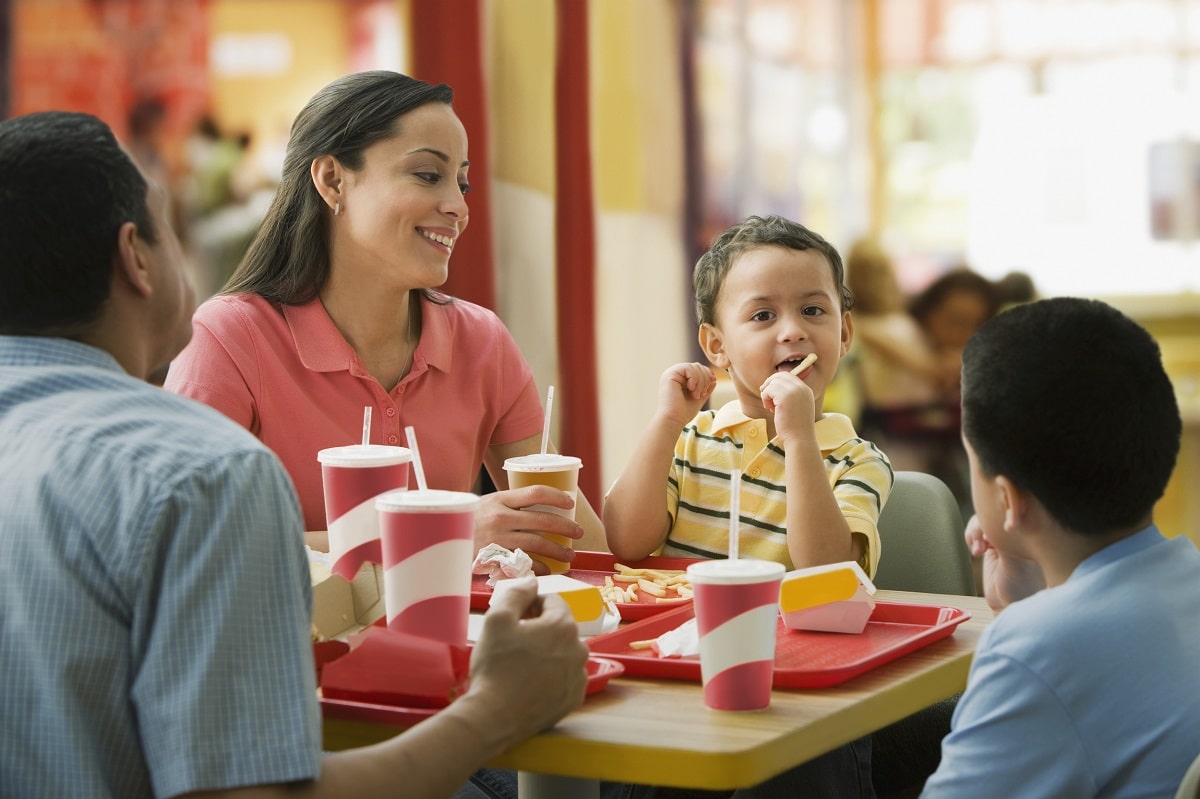
Enclosed and crowded spaces, shopping malls, or busy restaurants can be overwhelming for a child who is just beginning to explore. Instead, a place that allows natural light, has quiet corners, and offers a safe area for crawling, climbing, and playing tends to make the baby feel more comfortable.
Budget, Decoration, and Atmosphere
The cost of the party will depend on the number of guests, the type of food, and the level of decoration. There is no need for large investments: for such a small baby, a well-organized simple celebration is usually sufficient. Food is generally the element that increases the budget the most, followed by cake and decorative items.
In decoration, some colorful balloons, ornaments, and details that match a soft theme are sufficient: animals, nature, sea elements, or characters from children's stories. Babies at this age do not care about the chosen theme, but creating a visually pleasing environment with bright colors, large and safe shapes will help create a festive atmosphere.
A very emotional idea is to prepare a memory corner with photos from birth to the first year: a timeline can be hung with a photo for each month, and small notes can be added with important milestones (first tooth, first steps, first words, etc.). This corner will be the perfect spot for taking photos with family members and guests and will be a memory that the baby can cherish as they grow.
Food, Cake, and Safety at the Table
Food does not have to be complicated. Easy-to-eat snacks can be offered for adults and older children; these do not require sitting at the table for too long: mini sandwiches, well-chopped fruit skewers, soft cheeses, vegetable sticks with light dips, cakes, and soft cookies. For the younger ones, it is important to add options suitable for their stage (purees, soft pieces, simple yogurts).
Some foods that should be kept around babies and young children are those to be avoided due to choking hazards: whole nuts, popcorn, hard candies, large marshmallows, whole grapes, or very dense meat and deli pieces. For drinks, the most practical options are water, milk, and very diluted fruit juices; for adults, mineral water or lightly carbonated beverages can be offered.
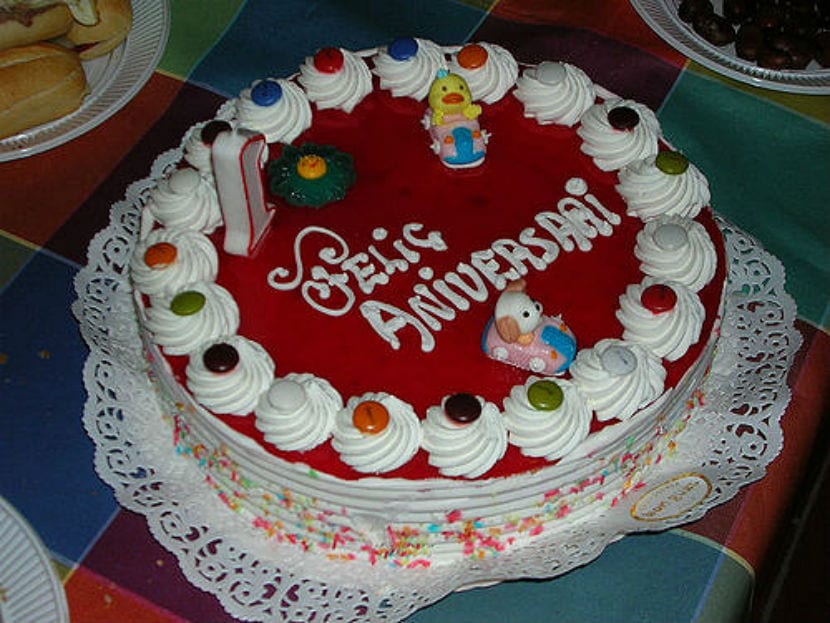
The cake holds great symbolic importance. Many parents prefer to prepare a special cake for the baby, which is healthier, less sugary and fatty, and make another cake for the guests. Whole grain flours, small amounts of honey (always in accordance with pediatrician recommendations), and fruits like banana, apple, or pear can be used to achieve a moist texture. Additionally, individual muffins or cakes can be quite practical as they provide ease of distribution.
When it’s time to sing the song “Happy Birthday,” it’s important to hold the child in your arms or in a high chair, to hold the candle properly, and to observe. At this age, many babies show more interest in playing with the candle, so close supervision and designating someone to capture this moment with photos or videos will help ensure that no details are missed and safety is maintained.
Suitable Games, Activities, and Gifts
In the early years, the best entertainment is often the simplest. There’s no need to organize big shows or fill the room with stimuli: babies enjoy bubble games, soft balls, stacking and throwing blocks, boxes to put objects in and take them out, or puppets with gentle movements and calm songs.
If there are children of different ages, a safe play area can be created on the floor, with soft rugs and toys suitable for everyone. It’s important not to leave small balloons unattended, as they can scare babies when they pop and their remnants pose a choking hazard. If a piñata is to be included, it should be made with pull strings instead of hitting it with a stick; it should contain plastic balls, stickers, or small toys, not hard candies.
In terms of gifts, the most suitable ones at this stage are toys that promote the child's development and do not overwhelm: pull toys, activity centers, textured cardboard or fabric books, soft percussion instruments, large blocks, simple placement toys, bath toys, or comfortable clothing. It’s better to avoid presenting all gifts at once to prevent the baby from becoming overstimulated; these can be gradually introduced in the following days.
Additionally, giving a small keepsake that guests can take home is a nice touch: a simple children's book, a special sticker, a small toy, or a photo of the family with the baby can become a meaningful and safe detail for the attending children.
In conclusion, celebrating the baby’s first year is primarily a way to honor the experiences: the efforts of the parents, the support of the family, the little one’s progress, and all the emotions of these months. Whether a cozy party or a larger gathering is chosen, what matters is to ensure the well-being of the babies, respect their rhythms, and create a loving environment where everyone can enjoy and hold onto a special memory of this big day.














Comments
(0 Comments)