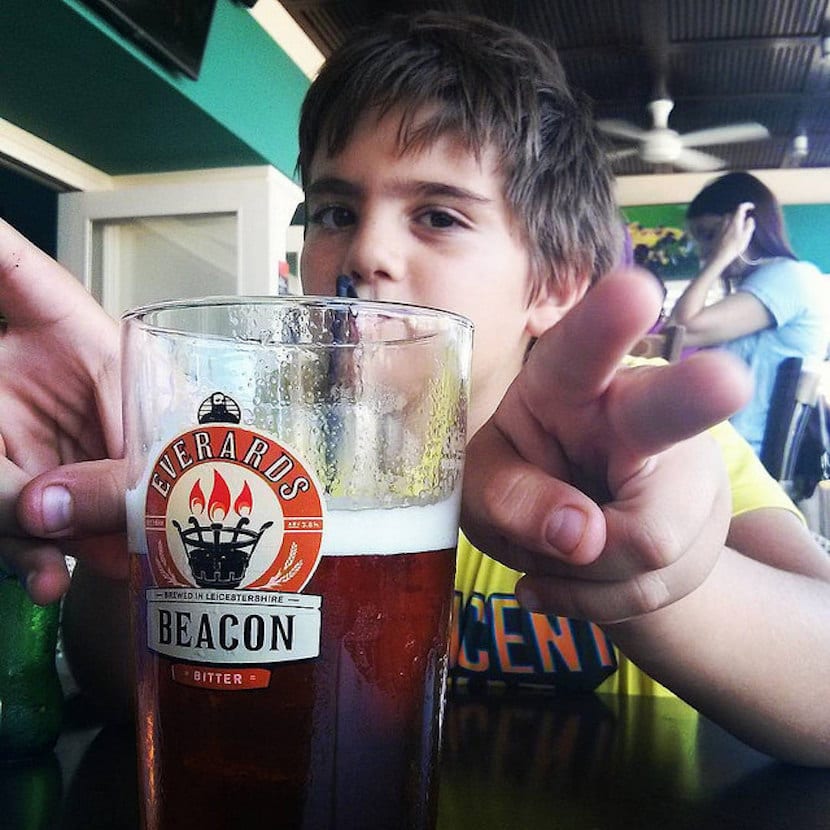
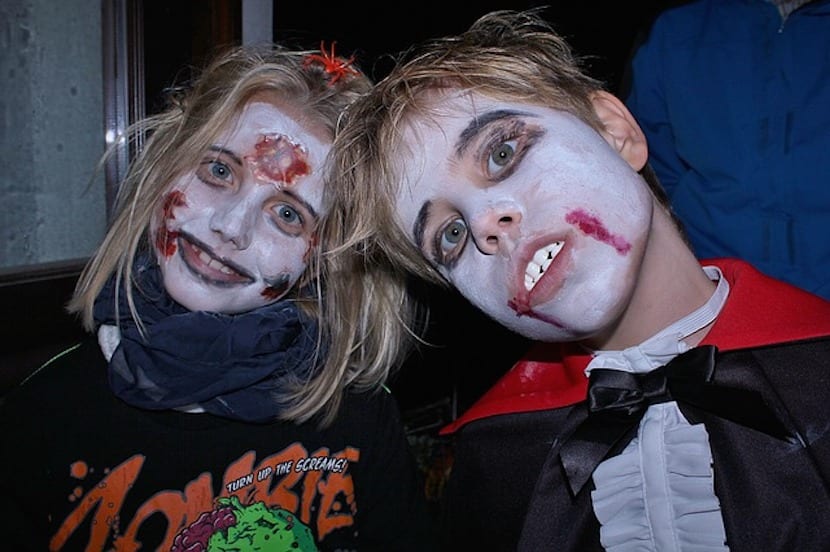
Today my heart is very sad: The news that a 12-year-old girl died from alcohol coma deeply affected me. Excessive alcohol consumption during a botellón celebration on Halloween led to loss of consciousness and cardiac arrest. This incident shook me; I have a 13-year-old son and a 10-year-old daughter, and I know that these ages are the age of experimentation; there is a big difference between experimenting and abusing, and I cannot remain indifferent to this, for both my own children and other children, for those who are subjected to all kinds of pressure.
The fact that any legal or illegal drug affects a child's brain more than an adult's brain is not a new situation. Individuals in this age group are quite vulnerable because they are in a developmental stage. Moreover, they are growing up in an “unhealthy” competitive environment where those with the best bodies or those exhibiting uncontrolled risky behaviors are valued more. If you continue, you will see that drinking alcohol at 12 is very different from drinking alcohol at 40. Excessive alcohol consumption is certainly not safe at any stage of life, but it is even more dangerous during a period when the brain is not fully developed (up to about 21 years old).
Alcohol coma is loss of consciousness after excessive alcohol consumption in a very short period of time. It is impossible to predict who will fall into this condition in advance, as drugs interact with individuals in different ways, and their effects depend not only on the toxic substance's impact but also on each individual's specific characteristics (body fat percentage, nutrition, hydration, health status, medication use, etc.). The symptoms are quite pronounced: loss of muscle tone, drop in blood pressure and body temperature (cold skin), irregular breathing, vomiting, difficulty responding to stimuli, and in the most severe cases, cardiac arrest.
The girl involved in this tragic incident remained in a coma for several hours, and the civil police launched an investigation to understand what happened (because she was a child). The very young girl we are talking about was likely with others of a similar age. Many risks come together: substance (alcohol), abuse, immaturity that can “hinder” seeking help, drinking style (excessive drinking, competitive games), and the presence of other drugs. Additionally, group dynamics and the normalization of consumption in certain environments make it difficult for any child to seek help in time.
The Risks of Alcohol Consumption in Children
Sometimes we are a bit misguided in perceiving what adolescence is: we want children to make their own decisions, but we always expect them not to engage in sexual relations or use drugs, even until they reach adulthood or later. The truth is, experimentation is an important part of this period, but what we see is not children experimenting, but drinking beyond their bodies' capacity to metabolize alcohol at a certain rate.
At the beginning and in the early years of adolescence (12, 13, 14 years), the body is smaller, the body water ratio is lower, and the liver does not function as efficiently as in adulthood. Therefore, the same amount of alcohol produces proportionally higher blood alcohol levels compared to an adult's body, which increases the risk of serious poisoning and alcohol coma, even when the child thinks they “drank little.”
Additionally, at these ages, consumptions are often of an intense nature; this is known today as binge drinking: consuming large amounts of alcohol in a short period of time with the clear intention of getting drunk. This consumption pattern is closely related to botellóns and is associated with serious poisoning, loss of consciousness, and the likelihood of risky behaviors emerging.
Another topic is that at this age, the main goal is to get a year older, to be bigger, to do things that more experienced people do, to be free and accepted. However, is it possible to be free under the influence of any drug? The answer is no, because all drugs affect brain function and judgment. Alcohol distorts the perception of danger, impairs decision-making ability and self-criticism, and leads adolescents to make decisions they would never consider while sober.
The consequences of excessive alcohol consumption for a child or adolescent range from issues such as coordination or perception disturbances, stomach problems, heart injuries, and liver damage to associations with other risky behaviors such as unprotected sexual intercourse, dangerous driving, or getting into vehicles driven by intoxicated individuals, fighting, violence, and vandalism. Many child cases in emergency services are related to falls, trauma, cuts, hypothermia, or poisonings occurring in the context of botellón along with other substances.
At the brain level, excessive alcohol use at this age leads to impairments in memory, attention, learning, and emotional regulation. Research on adolescents shows that repeated binge drinking situations can cause damage to brain structures related to memory and impulse control, and these changes can be permanent in the long term. The earlier it starts and the more frequently one gets drunk, the higher the risk of developing alcohol dependence, which also increases the risk of developing dependence on other substances in adulthood.
Botellón and Real Events in Adolescents
Botellóns have become a socializing space for many young people: they gather in the street or parks, buy alcohol together, and drink in groups, where adult supervision is minimal or absent. This practice is seen as a cheap alternative to bars and nightclubs and provides a sense of belonging within the group.
Theoretically, meeting friends outdoors should not be a problem, but the reality is that botellón often involves very high alcohol consumption in a short time, a mixture of different high-alcohol beverages, and often the presence of other drugs such as cannabis or stimulants. Among groups aged 12 to 16, these young people are often exposed to group pressure dynamics, challenges, drinking games, and messages like “if you don’t drink, you can’t be one of us.”
At these gatherings, alcohol poisoning frequently occurs. Many adolescents come with the intention of getting “drunk” and aim to reach the point of losing control. Ritualized and collective consumption reinforces the feeling of normalization and belonging, making it difficult for a child to say “no.”
Particularly concerning is the fact that botellón opens the door to the consumption of other substances. Research on adolescents shows that those who regularly attend botellóns have significantly higher rates of cannabis consumption and, to a lesser extent, other drugs (cocaine, speed, or pharmaceutical mixtures). This does not mean that every child who goes to botellón will consume other drugs, but the context facilitates curiosity that leads to experimentation and sometimes addiction.
Additionally, there is a strong relationship between botellón and behavioral problems, alongside immediate physical risks (poisoning, coma, trauma, hypothermia): vandalism, assaults, risky sexual practices, conflicts with the police, administrative charges, and a history that could affect the child's academic or work life when they reach adulthood. While many families see botellón as “a typical part of growing up,” the truth is that this is not an innocent period and can leave significant marks.
Alcohol Coma and Medical Complications of Acute Poisoning
The most feared complication of excessive alcohol consumption is alcohol coma. In this case, the blood alcohol concentration is so high that the central nervous system is severely suppressed. The child may fall into a deep sleep, not respond to stimuli, breathe slowly and superficially, and may even lead to respiratory or cardiac arrest.
The most serious complications in alcohol coma include:
- Vomiting aspiration, which can lead to choking and death if the child is unconscious and no one places them in a side position.
- Severe hypothermia, especially if the coma occurs outdoors, at night, and in cold environments. The body loses heat, and the temperature drops to dangerous levels.
- Convulsive seizures, due to the impact on the central nervous system.
- Heart rhythm disturbances and changes in blood pressure.
- Multiple injuries due to previous falls, blows, bruises, or accidents.
Even if the child does not enter a coma, acute alcohol poisoning (an overnight "drunkenness") can range from mild dizziness to confusion, aggression, complete amnesia, respiratory depression, and even death. Recently, there has been an increase in the admission of children to emergency services with mixed presentations; these presentations include cases where alcohol is combined with cannabis, drugs, or synthetic substances, which increases risks and complicates treatment.
At an organic level, many adolescents who consume excessive alcohol have experienced severe vomiting, diarrhea, abdominal pain, tremors, rhythm disturbances, dizziness, falls, and various injuries. In most cases, these symptoms resolve without becoming permanent, but over time, recurrence can lead to liver damage, hormonal disorders, bone loss, and growth and endocrine development issues.
Psychologically, excessive alcohol use during adolescence increases the likelihood of anxiety issues, depression, impulsivity, emotional regulation difficulties, and self-harming behaviors. It has also been observed that adolescents who drink excessively experience more problems in their relationships with families, friends, and teachers and have greater difficulty maintaining appropriate academic performance.
Risk and Protective Factors in Alcohol Consumption
The approach to risk and protective factors in alcohol consumption is quite interesting, as it allows for consideration of all elements that influence a child's or adolescent's decision-making process. In this way, it facilitates effective intervention through a preventive model and strengthens the things we can change.
The main risk factors include:
- Disrupted relationships within the family, low communication, frequent arguments, or violence.
- Absence of clear rules regarding alcohol and other drugs at home.
- A problematic adult consumption model: parents or role models who drink excessively or normalize drunkenness as a form of entertainment.
- Peer pressure and belonging to environments where excessive consumption is seen as fun or prestigious.
- Low adult supervision over leisure time, night outings, and friendships.
- Previous emotional issues (anxiety, sadness, low self-esteem) leading the child to seek relief through alcohol.
- Co-use of other substances (such as tobacco or cannabis), which are often associated with alcohol use.
On the other hand, protective factors can make a significant difference:
- Good family communication, an environment where the child feels listened to, understood, and respected.
- The presence of consistent and known rules regarding alcohol consumption, with clear boundaries concerning alcohol use.
- Responsible adult models who, if they drink, do so in moderation and never make alcohol the center of entertainment.
- Participation in healthy activities (sports, music, volunteering, art) provides a healthy identity and positive belonging.
- Friend groups that do not consume alcohol or consume very little can help the child resist pressure.
- Age-appropriate accurate information about the effects of alcohol and drugs, away from alarmist rhetoric but without downplaying the risks.
Family can protect, but it can also (by providing bad examples) predispose. Friends can predispose, but they can also protect (when the child sees negative outcomes in others and learns to say "no"). We now know that the adolescent brain is more affected by any drug consumption than the adult brain and this is not just about low academic performance or family relationship issues, it is a topic with very deep neurological, emotional, and social impacts.
The Role of Family, School, and Society
We need to overcome fear to talk about these issues with children, expecting them to be adolescents is a mistake, because this is when they start to seek information from other sources and underestimate the importance of parental views. Strengthening family communication, being accessible when they want to ask questions, listening without judgment, and showing genuine interest in their concerns and their world is important.
This is not just about having “talks” occasionally, but also about regularly discussing how they feel, what is happening with their friends, what they plan to do on the weekend, and what they think about alcohol and drugs. It is important for them to know our values regarding these issues and to understand why we set certain boundaries.
Schools can develop prevention programs, invite families to collaborate, train teachers to detect warning signs, and help students develop social-emotional skills: managing peer pressure, decision-making, stress management, self-esteem, and conflict resolution. Programs that combine information, thinking, and skills training tend to be more effective than those focused solely on scare tactics.
However, these efforts are often undermined by alcohol advertisements; in these ads, heroes appear magnificent and seemingly happy, or there are smiling adults when a child asks for sangria at village festivals. Giving alcohol to children (so they can get used to it) is a big mistake. Research shows that giving alcohol to children, even in small amounts, does not protect them; rather, it increases the likelihood of developing problematic alcohol consumption during adolescence.
As a society, we can also take action at other levels: by making better regulations regarding the sale of alcohol to minors, controlling access points (stores, supermarkets, festivals), strengthening penalties for those who provide alcohol to children and adolescents, and promoting alternative entertainment venues where fun can be had without being drunk. Public policies that restrict advertising aimed at young people, increase the price of alcohol, and make early access more difficult have been effective in reducing consumption among youth.
How Families Should Behave at Home
In addition to the big messages, it is helpful to provide some practical suggestions for daily life:
- Choosing the right time to talk: calm, unhurried situations are better when the child is open.
- Asking before informing: learning what they know, what they have heard, and what they think about what happens at botellóns.
- Avoid dramatizing if it is a one-time event, but exploring the reasons, circumstances, and risks involved.
- Setting reasonable curfews at home, but applying consequences when these rules are not followed.
- Getting to know their friends and surroundings: where they go out, with whom, who brings the drinks, how they get back.
- Supervising parties at home, ensuring there is no alcohol if children are attending.
- Offering family activities that do not involve alcohol and encouraging hobbies.
Children whose parents actively participate in their lives, set clear boundaries, and also show love and accessibility are less likely to start consuming alcohol at an early age. On the other hand, when adults downplay drunkenness, make jokes about it, or normalize it, the message received is “there’s no problem” and that it is an inevitable part of growing up.
Adolescence does not have to involve alcohol. Regaining a healthy, diverse, and creative understanding of entertainment and closely monitoring our children during this period is one of the best investments we can make for their physical and mental health. This way, when they face peer pressure or the allure of “drinking like everyone else,” they will have sufficient inner resources to make decisions freely and thoughtfully.
Images — Leonid Mamchenkov, a4gpa, Marek Otolski.























Comments
(1 Comment)