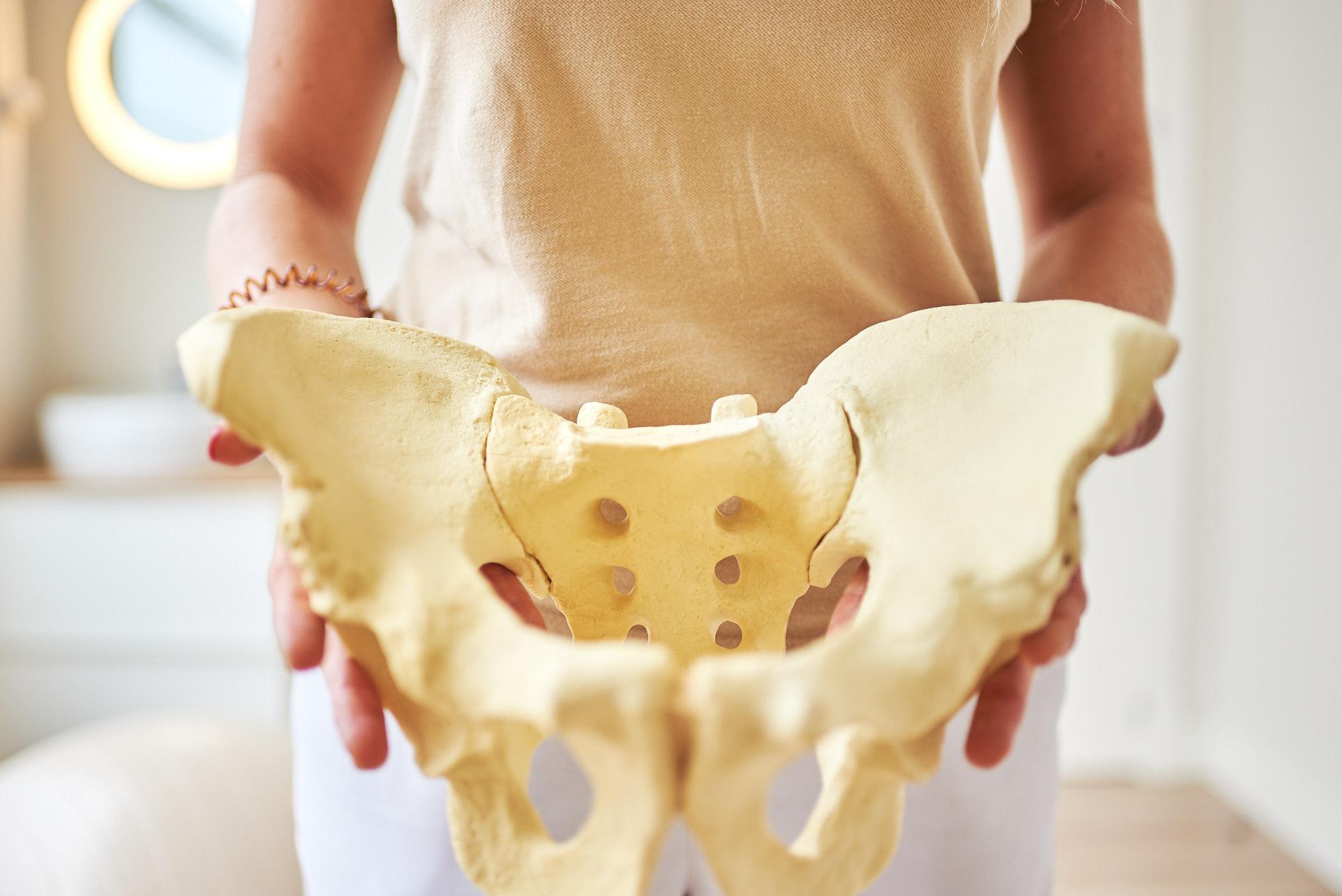
Working with a specialized physiotherapist in pelvic floor matters makes a significant difference in terms of private health, quality of life, and the prevention of commonly encountered yet still taboo issues. While many people normalize problems such as urinary incontinence, discomfort during sexual relations, or chronic pelvic pain, there are actually effective and evidence-based specialized treatment methods available.
Today, some reference centers combine this expertise with a holistic health approach, integrating disciplines such as podiatry, nutrition, psychology, or personal training into physiotherapy. Others focus on areas such as dermatology, aesthetics, and plastic surgery. Additionally, professionals like Ana provide a high level of service by focusing almost entirely on the pelvic floor, receiving continuous education, and collaborating with public hospitals.
What a pelvic floor specialist physiotherapist does
A pelvic floor specialist physiotherapist deals with the functional diagnosis and treatment of the supporting muscles, ligaments, and fascia structures of the bladder, uterus, prostate, rectum, and the entire pelvis. They are concerned not only with muscle structure but also with breathing, posture, abdominal function, and daily movement patterns.
These professionals address common dysfunctions such as urinary incontinence, pelvic organ prolapse, chronic pelvic pain, effects of pregnancy and postpartum, discomfort during sexual relations, or changes after surgery in the private area. They approach all of this from a highly respectful, private, and personalized perspective.
Ana has fully dedicated her career as a pelvic floor specialist physiotherapist to this field: she has improved herself through courses, seminars, and specialized training to update her knowledge and apply it both in her private practice and in collaboration with reference hospitals.
In addition to manual techniques and specialized exercises, these professionals use very precise assessment tools; such as muscle tests, internal examinations (with necessary and informed consent), pelvic floor functional ultrasound, biofeedback, and valid questionnaires to measure the impact of dysfunction on daily life.
The importance of a holistic health approach
Some centers, like AD Physiotherapy Valencia, adopt a global approach to patient care; here, the pelvic floor is just one part of a much broader system that includes posture, foot structure, overall physical condition, nutrition, and mental health.
This center works with a multidisciplinary team consisting of Physiotherapy, Podiatry, Nutrition, Psychology, and personal training. The goal is to intervene in different health areas to achieve optimum conditions for both body and mind; they view health as a whole and do not evaluate it as separate sections.
In this context, Physiotherapy addresses pain, movement restrictions, and musculoskeletal injuries, including those related to the pelvic area, while Podiatry reviews the patient's foot structure and walking pattern. “Starting from the bottom,” meaning correcting how we support our feet and how we move, can have very positive effects on posture and, therefore, can also influence the behavior of the pelvic floor muscles.
Personal training is guided by adapted programs that include therapeutic exercise and conscious movement aimed at increasing strength, endurance, and overall physical abilities. This is critical for the body to maintain these changes in daily life in the long term after dysfunctions are corrected.
The nutritionist helps support good bowel movement, healthy weight, and low inflammatory status by creating a balanced dietary regimen; this directly affects abdominal-pelvic health. Poor nutrition can complicate issues such as chronic constipation, which is a risk factor for prolapse or urinary incontinence.
Psychology also plays an important role in this holistic approach. Pelvic floor dysfunctions, chronic pain, or bodily changes after childbirth or surgery can lead to emotional issues; they can create fears, insecurities, or anxiety. Having a psychologist within the team supports the entire process in the mental realm, improving treatment adherence and the individual's perception of their own health.
Ana's figure: a physiotherapist focused on the pelvic floor
Ana is a professional who has decided to focus her career almost entirely on pelvic floor physiotherapy; she is aware of how necessary it is to have specialists in this field for both men and women of all ages.
Since the beginning of her career, she has maintained a constant learning attitude, sought out special training, participated in courses, and attended seminars to learn more effective ways to address pelvic dysfunctions.
One of the cornerstones of her working style is to establish a relationship of trust and empathy with each patient. She understands that this topic is sensitive and very personal; people often come to the clinic with feelings of shame, doubt, or fear of judgment. Therefore, she values communication highly, strives to be approachable, and encourages all doubts to be asked without taboo.
For Ana, understanding that living with symptoms such as urinary incontinence, a feeling of heaviness in the pelvis, pain during intercourse, or constant discomfort in the perineal area is not easy is fundamental. The goal is to support the individual during the treatment process; to ensure that the person feels rested, respected, and actively participating in the healing process.
The practice area includes urinary incontinence, pelvic organ prolapse, chronic pelvic pain, and other pelvic floor-related disorders, addressing them with a wide range of therapeutic techniques and tools. The aim is to design a plan that is fully tailored to each individual's needs, taking into account their medical history, context, and goals.
Treatable pelvic floor dysfunctions
Among the most common disorders treated by pelvic floor physiotherapists is urinary incontinence; this can occur as both stress incontinence (during coughing, laughing, jumping, or exercising) and urge incontinence (a sudden and intense need to urinate). This dysfunction has a significant impact on daily life and is often underdiagnosed due to feelings of shame or misconceptions such as "it's normal with age" or "it's normal after childbirth."
Additionally, pelvic organ prolapse is also common; this is the descent of the bladder, uterus, or rectum into the vagina, presenting as a feeling of heaviness, mass, or pressure in the perineal area. Physiotherapy can significantly improve symptoms, especially in mild or moderate cases, and help prevent their progression.
Chronic pelvic pain is also a major consulting issue. It can be due to many causes (muscular, myofascial, joint, visceral); it may include pathologies such as endometriosis and often requires a very careful and holistic approach; it must consider both physical and emotional factors. In these cases, coordination with psychology and other medical specialties is critical.
During pregnancy and postpartum periods, pelvic floor physiotherapy helps prepare the muscles for childbirth, increase pelvic mobility, and work on breathing and pushing; after childbirth, it ensures a safe return to daily activities and sports by regaining tone, treating scars (episiotomy, tears, cesarean), and retraining the abdominal muscles and perineum.
Moreover, properly addressing the pelvic floor can also improve sexual function; it can reduce discomfort and increase bodily awareness in the pelvic area. For many patients, a combination of manual techniques, exercises, and therapeutic education creates a turning point in their private lives.
Specialties in physiotherapy: beyond the pelvic floor
At centers like AD Physiotherapy Valencia, the pelvic floor is part of a broader range of specialties, including structural, visceral, and cranial osteopathy. Osteopathy aims to restore bodily balance through manual techniques on joints, muscles, and internal organs, considering the interactions between all body systems.
Manual therapy forms the foundation of physiotherapy, incorporating joint mobilizations, massage therapy, myofascial techniques, and gentle manipulations to improve movement, reduce pain, and optimize tissue function. This is combined with therapeutic exercise to help the patient reinforce these changes through active movement.
Another fundamental element offered is therapeutic exercise tailored to the needs of each individual; it aims to enhance strength, coordination, balance, and endurance. In the context of the pelvic floor, this translates into general strengthening programs that include deep abdominal muscles, diaphragm, and pelvic muscles; not just "contraction and release."
Within this active work, disciplines such as therapeutic Pilates and hypopressive exercises help improve posture, lumbopelvic stability, and the tone of the abdominal muscles without increasing pressure on the pelvic floor. Therefore, it is frequently used postpartum, in athletes, and in individuals with pelvic muscle weakness; along with pelvic floor exercise devices.
Additionally, techniques such as lymphatic drainage are also offered; this includes a specific approach to pathologies related to lipedema and lymphedema. Such treatment improves blood circulation, reduces volume, and alleviates symptoms such as heaviness and pain in the limbs.
Technology and devices in physiotherapy: The role of Indiba
Some physiotherapy centers are equipped with state-of-the-art devices like Indiba radio frequency; this has become a very useful tool for accelerating tissue healing and enhancing patient comfort.
The specific use of Indiba and techniques like Indiba Fascia are directed towards improving blood flow, modulating pain, and promoting tissue regeneration. In the context of the pelvic floor, it can be used to treat scars, spasms, or chronic pain in the area when necessary.
Moreover, the aesthetic applications of such radio frequencies, like Indiba Face and Body, aim to improve skin quality, firmness, and overall appearance; always from the perspective of health and well-being. This offers the possibility of integrating more functional and aesthetic treatments in the same field, accommodating each patient's preferences.
Having advanced technology in your clinic does not replace manual work or exercise; however, it enhances results and is effective when integrated as part of a well-designed, person-centered therapeutic plan aimed at real goals.
Medical referrals and collaboration with other specialties
Pelvic floor physiotherapy does not work in isolation; it collaborates with other health professionals, working alongside gynecologists, urologists, colorectal surgeons, general surgeons, midwives, and clinical psychologists. This coordination is particularly evident in public hospitals and multidisciplinary units.
The collaboration of the mother with university hospitals like Ramón y Cajal or La Princesa allows for working with specialized medical teams; it follows joint protocols for complex pelvic floor dysfunctions, postoperative patients, or chronic pain conditions.
In the private sector as well, referral networks are being established with dermatology, aesthetic, and plastic surgery centers that deal with skin, hair, nail issues, or specialized surgeries. In these cases, the role of the physiotherapist is crucial in enhancing recovery, reducing inflammation, alleviating pain, and restoring function during pre and post-surgery processes.
Coordination among specialists ensures clinical information exchange and jointly determining treatment goals, allowing the patient to receive more comprehensive and consistent care; each specialist contributes their knowledge and experience without losing integrity.
Dermatology, aesthetics, and plastic surgery: The experience of centers like TEKDERMA
Today in the health field, alongside physiotherapy and movement-focused centers, there are also more specialized centers such as dermatology, aesthetics, and plastic surgery; for example, TEKDERMA, which has multiple branches in Valencia.
TEKDERMA has emerged from the shared experience of the Dr. Alonso Dermatology Institute and a high aesthetic clinic; it has proven itself as a holistic reference in the diagnosis and treatment of skin, hair, and nail diseases. It also offers minimally invasive aesthetic procedures and body and facial plastic surgery.
The team consists of dermatologists, plastic surgeons, and aesthetic doctors with a solid background; thus, they can treat pathologies such as acne, rosacea, skin cancer, skin infections, or hair problems, while also performing interventions such as breast augmentation, liposuction, facelift, tummy tuck, ear aesthetics, or rhinoplasty.
Additionally, there are specialized units in areas such as pediatric dermatology, sexually transmitted infections, Mohs surgery for the sensitive treatment of skin cancer, and hair transplantation; this greatly expands the range of patients they can respond to.
One of their strengths is adopting an innovative approach using advanced lasers, systems like UltraClear®, radio frequency, and rejuvenating therapies; they also utilize digital diagnostic platforms that allow for detailed and precise monitoring of lesions and treatments.
Beauty from health: how skin, body, and well-being are connected
In centers like TEKDERMA, the philosophy is quite clear: beauty is addressed through dermatology; the health of the skin is always a priority. This means that aesthetic treatments are designed to highlight the individual's natural beauty; without altering its essence or achieving artificial results.
With over 100,000 patients, they have become reference centers by providing evidence-based, close, professional care; this is a characteristic shared by modern and specialized physiotherapy, including pelvic floor physiotherapy. In both cases, the key is to personalize every intervention as much as possible and to take the time needed to explain options, expectations, and post-care.
At the Valencia center, at 9 October Hospital (which serves as the official dermatology, aesthetic, and plastic surgery unit here), having branches at different locations such as El Consuelo Hospital and Calderona Wellness increases their capacity to provide ongoing and suitable services for different patient profiles.
Although dermatology and plastic surgery may seem distant from the world of pelvic floor, they actually share the same vision: to preserve the body with medical precision, advanced technology, and an understanding aimed at enhancing people's physical health and emotional well-being.
In many cases, after certain surgeries or body aesthetic treatments, physiotherapy can intervene; to improve functional outcomes, accelerate recovery, and prevent postural compensations; this redefines the role of the physiotherapist as part of a broad healthcare team.
Physiotherapy for companies: health in the workplace
AD Physiotherapy Valencia has developed a special service for companies, not only examining patients in their office; they bring physiotherapy, podiatry, nutrition, psychology, and personal training directly to the workplace.
Such programs aim to improve employees' physical and mental conditions through individual or group sessions, ergonomics workshops, posture training, guided exercises, and nutrition counseling. The goal is to prevent injuries, reduce stress, and promote healthy habits in daily work life.
The benefits for companies are clear: increased productivity, enhanced social welfare within the team, optimized performance, and reduced replacement costs due to absenteeism and illness in the medium term.
In an environment where we spend long hours sitting, looking at screens, and under pressure, making health a part of corporate culture is a strategic investment. Physiotherapy, along with other disciplines, can help staff feel better physically and mentally.
Although the pelvic floor is not the main focus of these work programs, a global approach to posture, physical effort, load management, and conscious movement positively affects pelvic health; as the pelvis is influenced by how we sit, how we breathe, and how we exert effort throughout the day.
This structure, where professionals focused on pelvic floor physiotherapy, multidisciplinary centers, and high specialization areas come together, provides resources centered on the individual regarding private health, skin, posture, and emotional well-being. Having a pelvic floor specialist physiotherapist — integrated with a team of podiatrists, nutritionists, psychologists, dermatologists, and plastic surgeons — offers the opportunity to address the issues you have carried for years and truly enhance your quality of life and confidence in your body.





































Comments
(4 Comments)