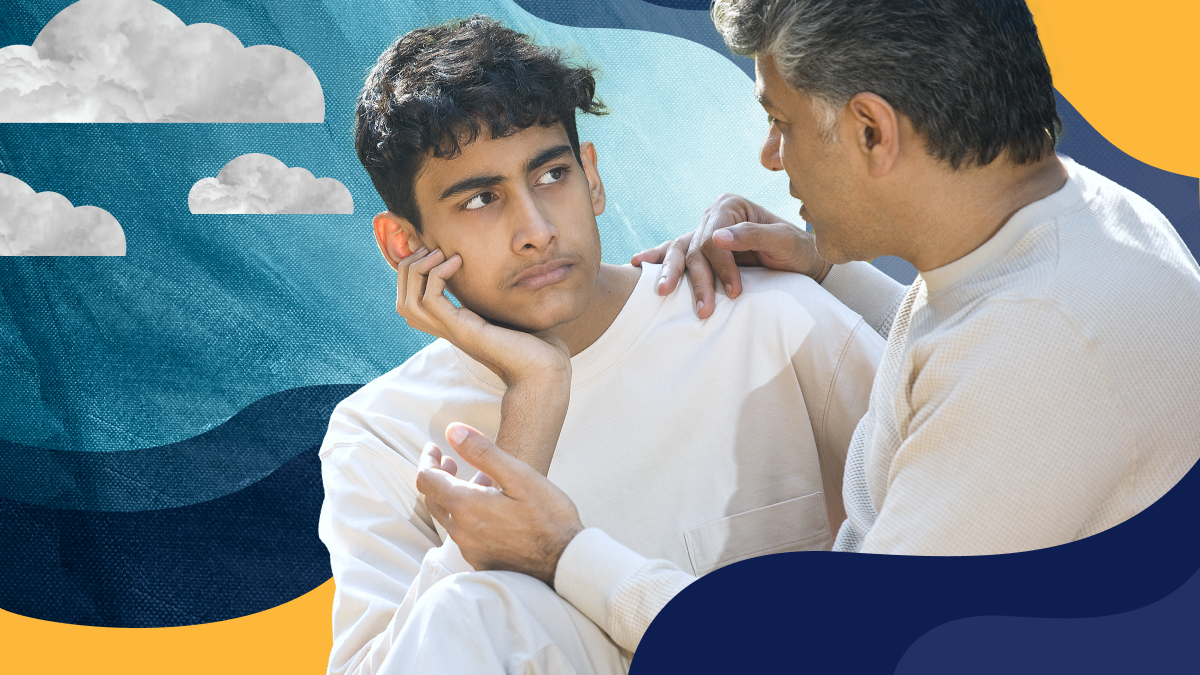
It is normal for children to feel anxious from time to time, but how can you understand whether your child's worries are truly a source of concern for you? All children have fears. Your child may be afraid of strangers, dogs, or may feel stomach aches before going to school. These types of fears are part of development, but some children worry much more than others, and this anxiety begins to affect their daily lives.
For any parent, seeing their child struggle with anxiety or being constantly worried can be very painful, limiting their activities and well-being. This distress is compounded by uncertainty and helplessness about whether it is a temporary situation or a problem that requires professional help; many families describe this situation as seeing their child "suppressing their emotions." Distinguishing between normal anxiety and an anxiety disorder is key to being able to help the child in the most appropriate way.
The difference between normal worry and an anxiety disorder is one of severity and magnitude. The feeling of anxiety is a natural response to a stressful or dangerous situation, which can help protect us or improve our performance. However, a child may need help when their anxiety is disproportionate, persists for a long time, or affects their daily life and healthy development.
Below, we explain when you should be concerned about anxiety in children, the warning signs you should observe, the most common types of anxiety disorders in childhood, what you can do at home, and when you should seek professional help.
Anxiety Symptoms
If a young child is overwhelmed by anxiety, they may not be able to express it in words, but they can express it through their behavior. If your child is anxious, it is common for this anxiety to be triggered by something specific: going to school, being away from you, meeting new people, sleeping outside the home, taking tests, etc. It can also manifest as a constant feeling of restlessness without a clear reason.
Compared to adults, children often show more physical symptoms of anxiety. If your child is frequently ill without a medical reason or experiences many somatizations (stomach aches, headaches, nausea, dizziness), you may need to pay attention. These symptoms typically arise during stressful moments, before going to school, or before an activity that worries them.
Children who experience excessive anxiety try to avoid whatever situation is bothering them. For example, if your child refuses to participate in activities that other children enjoy, has intense tantrums before a dentist or doctor appointment, or feels sick on Sunday evenings because school is the next day... it is necessary to start questioning why these situations create so much tension and anxiety.
Anxiety can manifest in different ways depending on the child's age and personality. In younger children, excessive dependence on parents, tantrums, and physical complaints are common. In older children, avoidance behaviors (not wanting to go to school, not participating in activities), irritability, difficulty concentrating, and mood changes can be observed.
Common anxiety symptoms in children include:
- Physical symptoms: recurring stomach or headaches, feelings of fatigue, tingling, muscle tension or pain, palpitations, sleep problems, nightmares, or difficulty falling asleep.
- Emotional symptoms: irritability, frequent crying, intense fear of something bad happening, excessive worry about grades, friendships, or distant problems (wars, accidents, news).
- Behavioral symptoms: avoidance of previously enjoyed activities, reluctance to meet friends, constant need for reassurance, repeatedly seeking confirmation that "everything will be okay," excessive dependence on parents, tantrums in unexpected situations, or high reactivity.
The most prominent behavioral sign is avoidance behavior: the child does not want to go to school, extracurricular activities, birthday parties, or places they fear. Often, intense anger outbursts or physical complaints lead parents to back down to prevent their child from suffering. However, even if done with the best intentions, this can sustain and increase anxiety over time.
Separation Anxiety Disorder
If the thought of being separated from your child's parents or caregivers creates excessive anxiety, it may be separation anxiety disorder. Difficulty separating is normal in early childhood, but it becomes a disorder when fear and anxiety become disproportionate to age and negatively affect school, social relationships, or sleep.
A child with separation anxiety often carries an intense fear that something will happen to them or their parents, which can lead to refusal to go to school, participate in outings, go to friends' houses, or stay with other relatives. The child feels so bad when their parents leave that many families abandon their plans due to the impossibility of leaving them with someone else.
In these situations, physical complaints associated with separation are common: such as stomachaches, vomiting, dizziness, or headaches, which quickly resolve when the child reunites with their parents. Therefore, these children are often taken to the pediatrician, but no medical reason can be found to explain their symptoms.
Symptoms often become more intense in the mornings before going to school or on Sunday evenings, and they often disappear during long weekends, holidays, or festivals. If the child does not lose their fear of school and symptoms persist, it is important to have them evaluated by a professional.
Treatment is based on repetitive and gradual exposure to the anxiety-triggering situation (for example, going to school). Initially, having the parent stay in the classroom for a few minutes can be helpful, but this time is gradually reduced until they only accompany the child to the door and say goodbye. It is important for the goodbye to be short and clear: prolonging it increases the child's anxiety and the parents' worry.
Reassuring the child that everything will be okay and that you will wait for them after class is a fundamental element. Since the child still has a limited understanding of the concept of time, explaining the routine along with daily activities can be helpful: "When you play in the garden and your teacher tells you a story, I will come to pick you up." Skipping school or changing to a private tutor at home to prevent the child from suffering does not help, as it only chronicizes the problem.
In some cases, if gradual exposure is not sufficient or if anxiety is very intense, the use of medication for a limited period should be considered, always under the supervision of a child mental health professional. The prognosis is generally good, but if left untreated, there is a risk of the problem "becoming chronic" and increasing the likelihood of other anxiety disorders or even depression in adolescence.
Generalized Anxiety Disorder (GAD)
If a child seems excessively worried about everything, including daily and ordinary things, this may be generalized anxiety disorder (GAD). This type of anxiety can affect academic success, friendships, and enjoyment of leisure time. Exams, group activities, or even recess can become a constant source of worry.
Children with GAD worry about many things on a daily basis: homework, exams, their health, the possibility of making mistakes, being late, or failing to meet others' expectations. These children are very insecure, sometimes excessively perfectionistic and rigid, wanting to feel that everything is under control. Anxiety is persistent and struggles to "pass" in a "closed" manner, constantly switching from one topic to another.
Fears may not always be realistic or proportional, but they are extremely convincing for them. Often, they want their parents to repeatedly tell them that everything is okay, they constantly seek reassurance, and they question details to ensure that nothing bad will happen. This quest for certainty provides temporary relief, but feeds the cycle of anxiety in the long run.
This generalized anxiety can produce somatic symptoms such as headaches, stomachaches, muscle tension, or fatigue. They often appear "burned out" without expending significant physical effort because their minds are working at a very high speed and almost continuously.
Without appropriate support, GAD can make it difficult for children to concentrate in class, enjoy their friendships, and relax at home. Age-appropriate cognitive-behavioral therapy teaches them to identify, question, and apply coping and relaxation strategies, allowing them to relate to their anxieties in a different way.
Specific Phobias
Your child may have specific phobias. In these cases, they experience intense fear in response to a specific object or situation. When faced with what they fear excessively, they experience paralyzing fear: dogs, storms, clowns, loud noises, water, insects, darkness, needles, blood, etc. Even though adults may understand that the danger is minimal, the fear is real and very intense for the child.
It is important to understand the cause of this condition because a child with a specific phobia may be restricted in their daily life. For example, a child with a dog phobia may refuse to go to a park where pets might be present; a child with a fear of the dark may have great difficulty sleeping alone or moving around the house at night.
Children with phobias may cry, have tantrums, or become paralyzed to avoid the object or situation they fear. They may experience severe physical symptoms when something they fear is nearby or even just when they think they might encounter it: trembling, dizziness, sweating, palpitations, or vomiting.
Treatment for phobias often relies on gradual and controlled exposure, which is done alongside relaxation tools and cognitive restructuring. Instead of forcing the child all at once, it is important to help them take small steps in a safe environment to learn that the danger they initially feel is not as frightening.
The earlier the intervention, the easier it is for the child to gain confidence. Systematically avoiding what they fear may alleviate discomfort in the short term, but reinforces and solidifies the fear, affecting the child's ability to enjoy normal childhood activities.
Social Anxiety Disorder
Most children may be shy at some point, but when a child or adolescent is excessively worried about being negatively judged by others or doing something embarrassing, they may have social anxiety disorder (also known as social phobia).
The fear of embarrassment or being the subject of ridicule can cause the child to avoid going to school or any place with social situations (birthdays, extracurricular activities, family events). For them, speaking in front of a crowd, reading aloud, or simply being observed while eating can be very anxiety-provoking.
Some children experiencing social anxiety feel intense fear about speaking in class or in front of unfamiliar people. With a fear of making mistakes, they may avoid performing simple tasks like paying the cashier or asking for the check. Other children may also experience anxiety in social situations even if they are not the center of attention: eating in public, using public restrooms, or being in unfamiliar crowded places can be very distressing.
This social anxiety can be accompanied by blushing, trembling, sweating, nausea, or freezing as physical symptoms. Often, adults interpret this behavior as indifference, rudeness, or rebellion, while the child is actually trying to avoid what they fear.
Intervention typically includes social skills training, relaxation techniques, and gradual exposure to social situations, always accompanied by support and positive reinforcement. The goal is not to ensure that the child becomes extremely outgoing, but rather to enable them to act with enough confidence to participate in important activities in their life.
Selective Mutism
If a child is talkative at home but cannot speak at school or in other social situations, this may be selective mutism. Parents and teachers sometimes interpret this silence as intentional or defiant, but in fact, the child has frozen due to anxiety.
Selective mutism creates severe internal distress because the child wants to participate and communicate but cannot. Imagine wanting to go to the bathroom at school, but not daring to ask the teacher or raise their hand. These children may communicate in ways such as whispering to a trusted person, gesturing, or using facial expressions, but speaking in a normal voice in certain environments is extremely difficult.
They can speak, sing, and play naturally at home, but may remain silent when someone outside the family is present. Sometimes they only talk to a sibling or one of their parents, which indicates that the anxiety is related to specific environments or people, not their actual language ability.
Treatment typically involves a combination of speech therapy and psychological support, gradually working towards enabling the child to communicate in environments where they previously remained silent. It is important to reduce pressure, reinforce communication efforts, and create safe and predictable situations, which helps the child gain positive experiences during speaking.
Obsessive-Compulsive Disorder (OCD)
If your child experiences intense fears or feels compelled to perform repetitive rituals to alleviate anxiety or fear, this may be obsessive-compulsive disorder (OCD). Children with OCD feel anxious about unwanted thoughts and fears (obsessions) and try to neutralize them with repetitive actions (compulsions).
The most common obsessions include fear of contamination (germs, dirt), fear that something will happen to themselves or a family member if they do not perform their rituals, or intrusive thoughts that are very distressing. Compulsions aim to reduce this anxiety: washing hands excessively, organizing objects rigidly, mentally repeating certain words, or checking doors and lights repeatedly.
In other cases, rituals may be less obvious for adults, such as mentally repeating certain words, walking in specific patterns, or touching symmetrical parts of their bodies to feel "comfortable." The logic of OCD does not rely on reality; rather, it is based on the temporary relief the child feels when completing the ritual.
Sometimes, they may ask others to participate in their rituals: they may want you to wash your hands in a certain way, check the door several times, or follow specific routines. This can significantly impact family life, in terms of the time spent leaving the house or on school performance.
OCD requires a professional assessment to distinguish it from other repetitive behaviors or age-specific obsessions. Treatment typically involves a specific type of cognitive-behavioral therapy called exposure and response prevention, and in some cases, medication may also be added. With expert support and family collaboration, many children manage to significantly reduce the impact of OCD on their daily lives.
Panick or Anxiety Disorder
Unlike generalized anxiety disorder, in panic disorder, a child or adolescent experiences very intense anxiety attacks that occur suddenly and unexpectedly. During a panic attack, the child may experience symptoms such as palpitations, intense sweating, trembling, rapid breathing, shortness of breath, a feeling of choking or difficulty swallowing, dizziness, nausea, and feeling cold or hot.
In addition to physical symptoms, there is also an intense fear of dying, losing control, or "going crazy." The occurrence of these events can be mistaken for asthma attacks, heart problems, or medical crises, but physical examinations are normal.
After several events, many adolescents begin to avoid places where they feel trapped or unable to get help due to the fear of having new attacks: shopping malls, public transport, cinemas, crowds. In the most severe cases, they may not want to go outside again because they fear having another event on the street.
Treatment is based on education about panic (psycho-education), breathing and relaxation techniques, restructuring catastrophic scenarios, and gradual exposure to avoided situations. Understanding that a panic attack, although very distressing, is not physically dangerous helps the child regain confidence in their body.
Post-Traumatic Stress Disorder (PTSD)
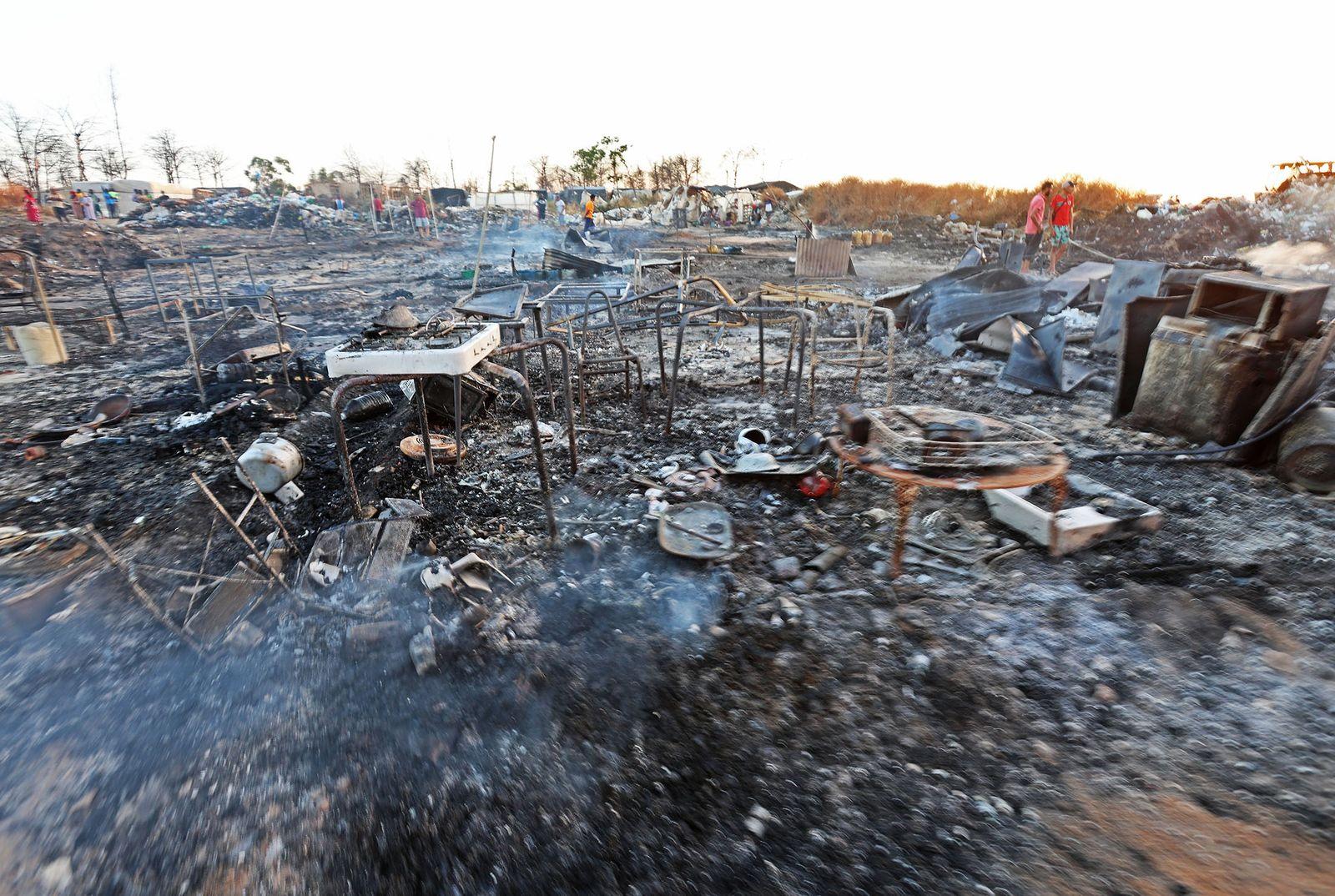
If a child is exposed to a catastrophic situation that endangers their life or the lives of others (serious accident, fire, natural disaster, terrorist attack, violent death of a loved one) or to ongoing violence, physical abuse, sexual abuse, or psychological abuse, they may develop post-traumatic stress disorder (PTSD). These experiences can affect both those who directly experience them and those who observe or know them closely.
Children with this disorder may show very pronounced symptoms of depression and anxiety. Sometimes, they may think that the traumatic event is happening again (flashbacks or re-experiencing) and repeat it in their play. They may have intense nightmares related to the disaster or dreams involving scenes where their family is harmed and needs to be rescued.
Symptoms can appear shortly after the trauma or may emerge months later. Parents should pay attention to changes such as reluctance to return from school, difficulty separating from parents, persistent fears related to the disaster, sleep disturbances (nightmares, night terrors, bedwetting), loss of concentration or irritability, excessive alertness, or constant restlessness.
Additionally, physical complaints without a clear cause (stomach ache, headache, dizziness), isolation from family and friends, loss of interest in previously enjoyed activities, sadness, decreased activity, and intense worry about the traumatic event may arise. Experts recommend supporting children who have experienced a disaster to prevent and reduce the risk of developing a serious anxiety disorder.
When a disaster occurs at school or affects one of the students, it is suggested that teachers organize spaces in the classroom where each child can express what they saw, heard, and thought during the disaster; they can also share their fears about what might happen afterward. While older children can share their experiences in writing, younger children can draw what they experienced and then explain it. This activity is more effective when done in an environment that is closest to what the child is used to; therefore, the role of teachers, counselors, and parents is very important.
When Should Professional Help Be Sought?
There is no definitive rule for determining the perfect time to consult a specialist, but it is important to seek help if anxiety creates severe distress or a high level of interference in the child's and family's life. Some signs that indicate it may be a suitable time to meet with a professional child mental health expert include:
- Symptoms persist for a long time and negatively affect school attendance, social relationships, or family life.
- The child experiences frequent physical pains (head, stomach, sleep difficulties) without a clear medical reason.
- Noticeable changes in behavior: if they have become more irritable, isolated, sad, or more fearful.
- A family history of anxiety disorders or other mental health issues may increase this risk.
A specialist can conduct a comprehensive assessment, provide guidance to the family, and propose a treatment plan that may include psychotherapy, parental support, and medication in some cases. Additionally, there are specific interventions aimed at reducing overprotective behaviors and accommodating anxiety within the family to help decrease the child's anxiety; this also promotes a culture of facing fears.
Timely identification of childhood anxiety and providing an environment that offers listening, understanding, and clear boundaries allows the child to build the idea that they can cope with challenges, grow, and feel increasingly secure; thus, rather than seeing themselves as weak or inadequate.
































Comments
(5 Comments)