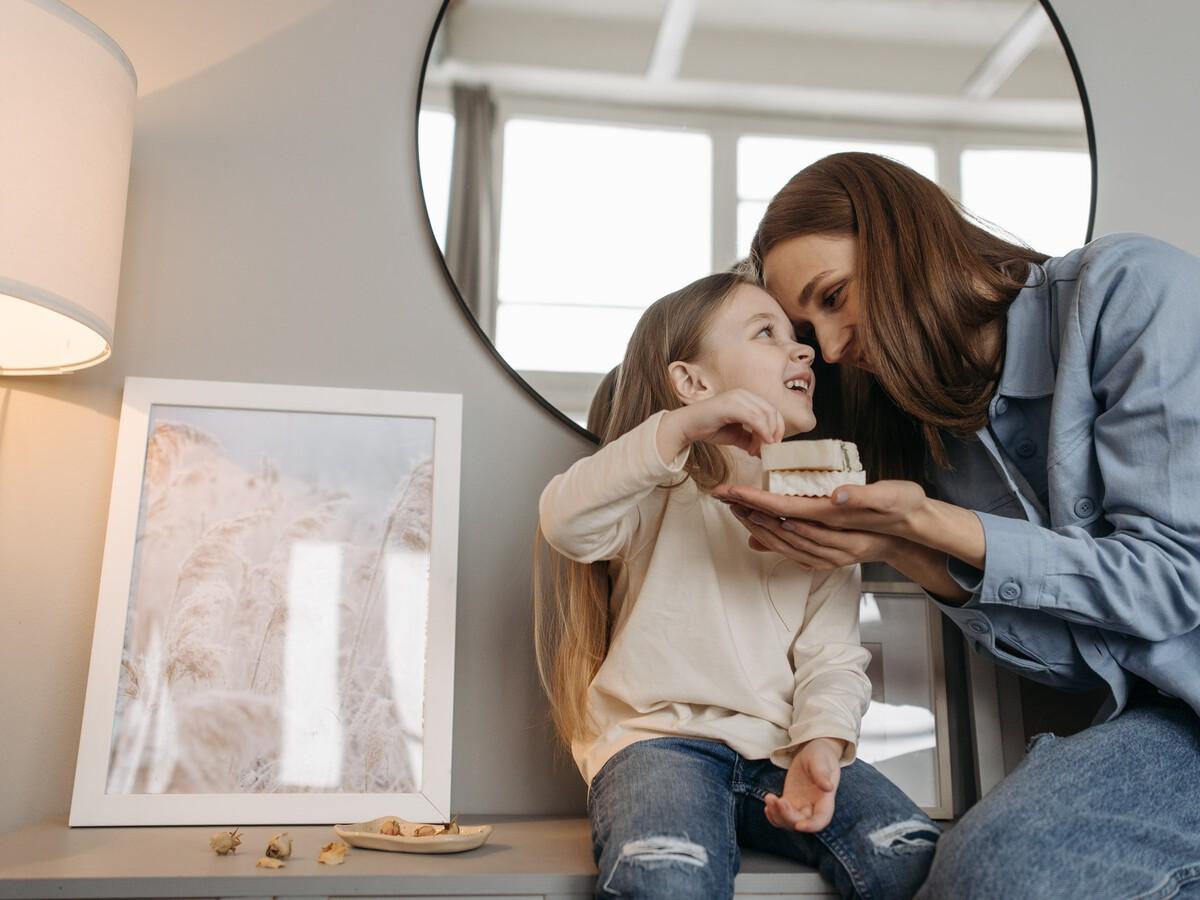
It is not easy to discover the ways a child expresses their love for you. There is no one more important in a child's life than their parents. Young children feel safe and protected knowing that their parents are there for them. The presence of parents is vital for both their physical and emotional health. When children make new discoveries, they will share that joy, love, and trust with you, even if they do not yet have the words to express it.
By sharing the joys and pleasures of life with you, your child will feel at peace with themselves because they will remember that their parents will always be there for them, in good times and bad. All children show their love in different ways; they do not always have to express it in words, so it is important to know how they do it so that you can recognize it, appreciate it, and respond with even more love.
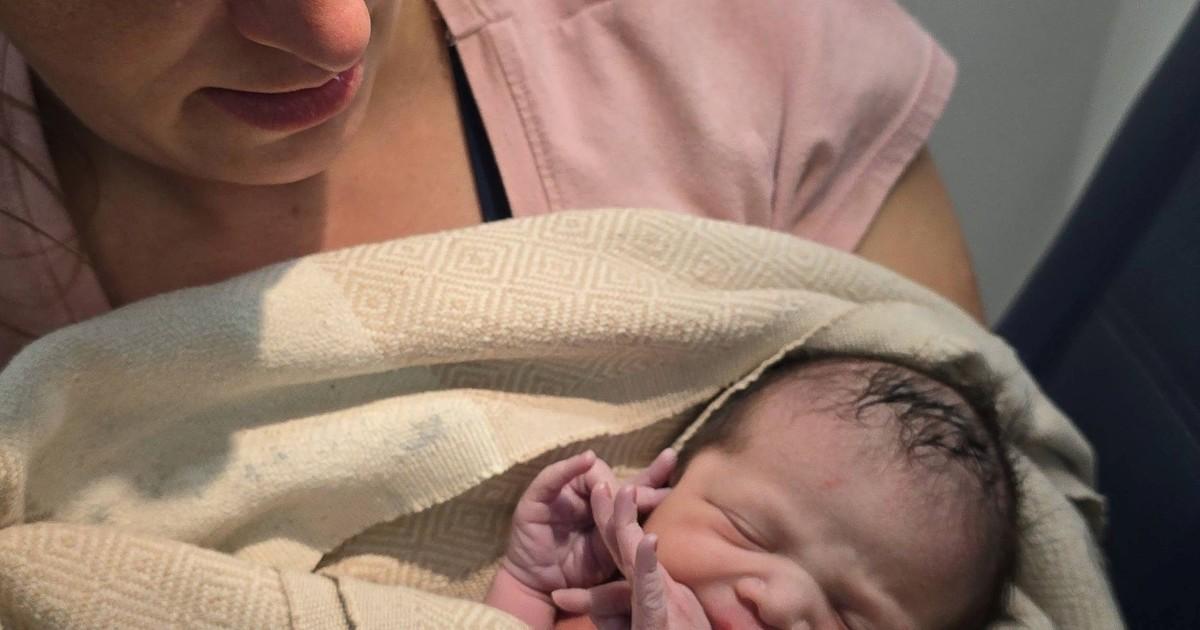
Even very small babies, even if they do not yet know how to talk or perform complex movements, have the ability to express their love and bonds in subtle ways: they look at you, seek your voice, lean against your chest, make sounds to get your attention, and offer smiles that brighten your day. Understanding these signs will help you connect more with your child and trust that all the effort and fatigue in parenting is building a strong and healthy relationship.
When it makes you "lose track of time"
You are not losing time; you are being with your child… this is the most valuable and wonderful time you can spend in your life. But when you need to be everywhere, your child suddenly wants to get involved with everything or wants you to be by their side. Maybe the distance you walk alone in 5 minutes takes half an hour when you walk with your child because your child wants to show you all the ants they see along the way… but this is them sharing their discoveries with you! Do you think that is a more wonderful thing?
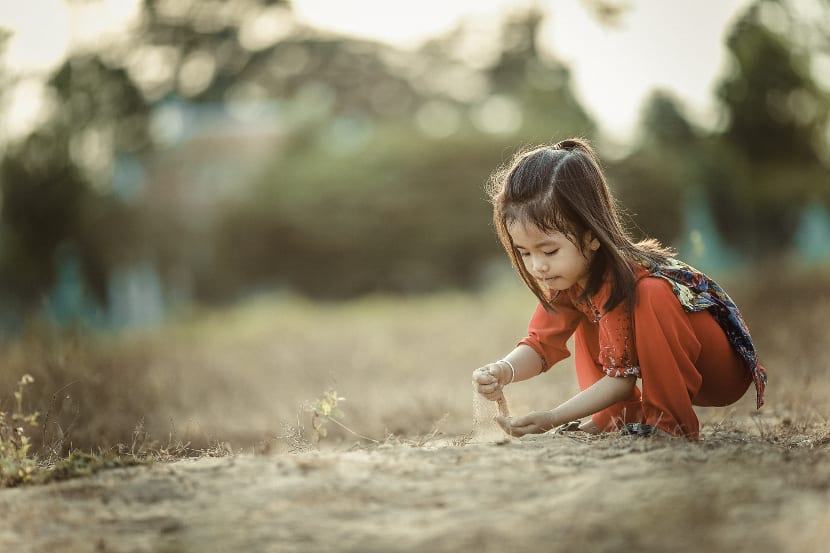
When they observe a stone, a flower, or a puddle and call you to look, your child is saying to you, "I want to experience this with you". The need to share what they see, hear, or feel is one of the ways young children express love and trust. They do not need to say "I love you"; they show it by constantly inviting you into their inner world.
Children live in the moment and have no perception of time; adults should learn a bit more about this. What is important for your child is not to arrive quickly but to feel you are there and visible. At that moment, they are with you, and there can be nothing better for them. While playing or exploring, they often look for your gaze, like asking for silent approval: that secret glance exchange is another "I love you."
Many parents sometimes feel that their children "absorb themselves" or do not appreciate their daily efforts. However, when your child wants to play with you, watch you, or just be next to you, they recognize you as their safe space. Even if you are tired at the end of the day, these small gestures are clear signs that your presence is their greatest treasure.
Now let's start enjoying these moments as they do with us; by looking into their eyes, smiling, and expressing our feelings with phrases like: "I am very happy to be with you," "I really enjoy you teaching me the things you discover." Such expressions reinforce the message that is already present in their loving behaviors.
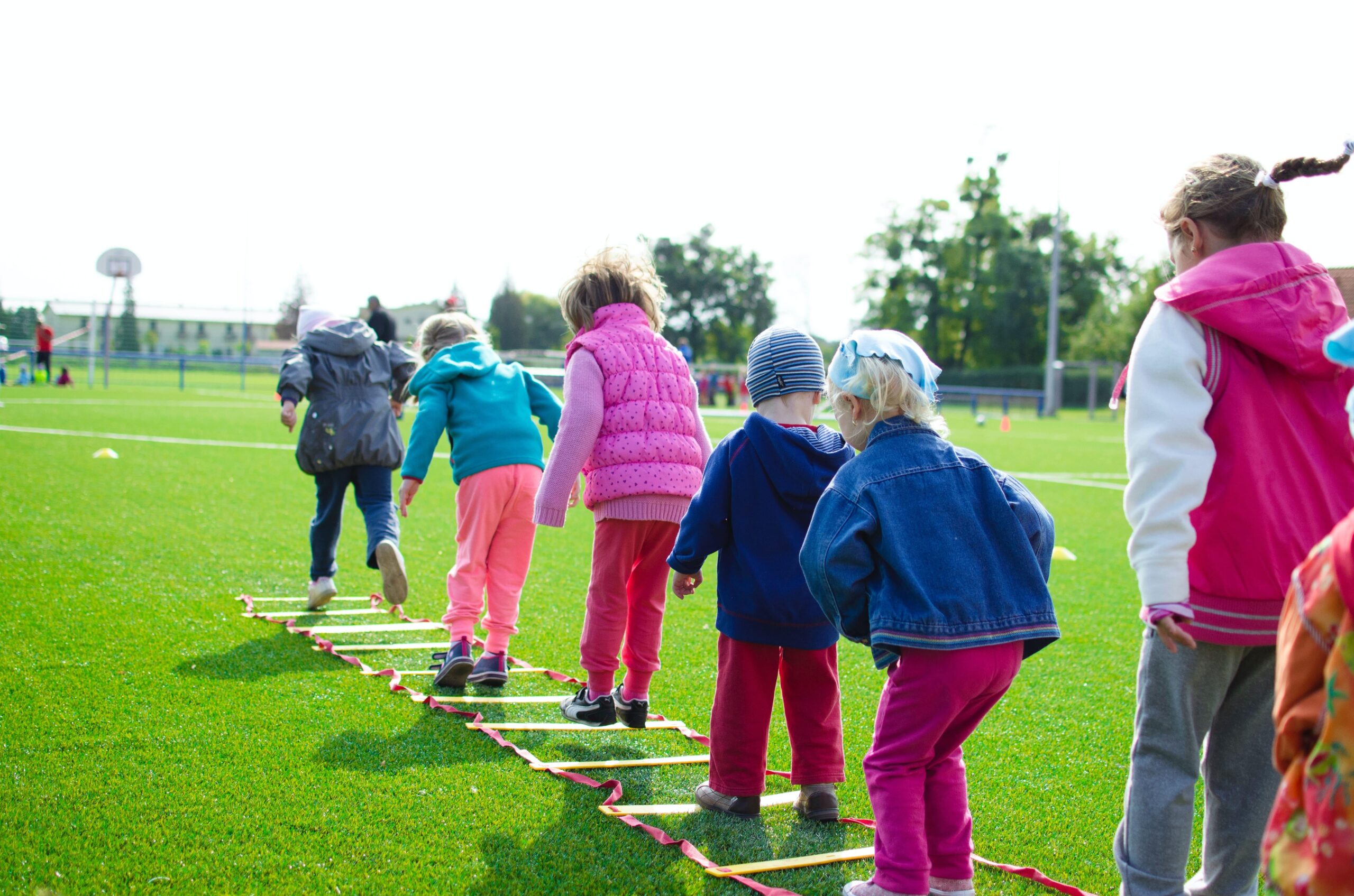
When they play the game you are trying to catch
Children want to run away and have you follow them… this is a celebration of independence and play, a way for them to express their love for you while also showing that they are different beings from you. It’s a wonderful thing. When your child plays tag with you, they are showing their trust in you because they know you will follow them as they run away. They are demonstrating their freedom but then stop because they want to be close to you.
The game of running away and coming back resembles what happens when they start exploring the world ahead: they move away, observe, experience, but want to make sure that you are still there if something goes wrong. When they run back into your arms, they are actually reinforcing their bond with you.
The game of running and catching shows your unity and connection. Children love you unconditionally, but they also show their own adventurous spirits and want to explore the world with your guidance. While laughing as they chase you, their bodies and minds are telling you that they feel safe and happy with you.
A similar situation occurs when a child moves a little away to a park, a new room, or a group of people, and suddenly turns their head to look for your face. That quick glance is almost a temporary, genuine approval glance: they want to make sure you are there, close by, and continue to support them. When they find your gaze and receive your smile, they feel they can continue exploring in peace.
Respecting these movements of coming and going, searching for you and moving away is a very powerful way to convey this message: "I love you just as you are, free and curious, and I am here when you need me." When you respond to these invitations with play, attention, and patience, you reinforce that their desire for independence and need for love can coexist.
When they play with food
Meal times or food symbolize the deep bond that children have with their parents. From the moment they are born, it is the mother figure (or the caregiver) who feeds them, providing the necessary nutrients for their growth and development. When children play with food, they do not want to upset you or make you angry… they want to share their experiences and discoveries with you, they want you to participate and guide them lovingly.
When a baby or small child brings food to their mouth with a smile or starts making a mess, they are exploring flavors, textures, temperatures, and smells. Sometimes they make little sounds or chatter while eating, checking your reaction by looking at your face: this is a way for them to express that they are enjoying themselves and want you to be a part of that important moment.
Many families create little touch routines during meals: gentle strokes, post-bath massages, games with bubbles, cuddling with the baby… This sensory care set around food and hygiene causes the child to associate your presence with pleasure, peace, and protection. It has been proven that babies who receive frequent physical contact from their parents show better communication and learning development.
When they bring food to their mouth with a smile or start making a mess, you may need to move quickly to prevent everything from turning into a disaster… but at the same time, enjoy that special moment your child is offering you, because it expresses their love for you in words. By allowing them to explore without disdain or anger, you send the message that their curiosities and needs are respected, which greatly strengthens the bond.
It is also common for babies to make little "sounds" or chatter while eating or after they are full. These sounds, while sometimes seeming like simple noise, are actually a form of emotional communication: they are checking your response, your gaze, whether you are speaking gently. Each time you respond with your gentle voice, your smile, or a kiss, you reinforce that they are important and loved.
When they want your kisses and hugs
Children need their parents' unconditional love, which is expressed through kisses and hugs. Perhaps when you want to give them a kiss or a hug, the child might not want it. Don't worry, it doesn't mean they don't love you… they are just showing their independence and want you to respect their space and decisions. But when they don't want it, they will surprise you with a big hug and kiss filled with real love… because it is not obligatory.
Some children, even very young ones, can sense when you are sad or anxious. They may see you crying or feel differently and come to you, looking at you carefully or offering a clumsy but sincere hug. This simple gesture carries a powerful message that "everything will be alright": with their hugs, they tell you that they care about you and that you are a fundamental part of their world.
While children want to show their independence in many different ways, they also desire the “necessary fuel” of your love and affection. This “fuel” consists of hugs, kisses, and physical contact from both mom and dad. When your child hugs you, it shows that they will always be there for you and provide you with comfort and security… because being safe means being at home.
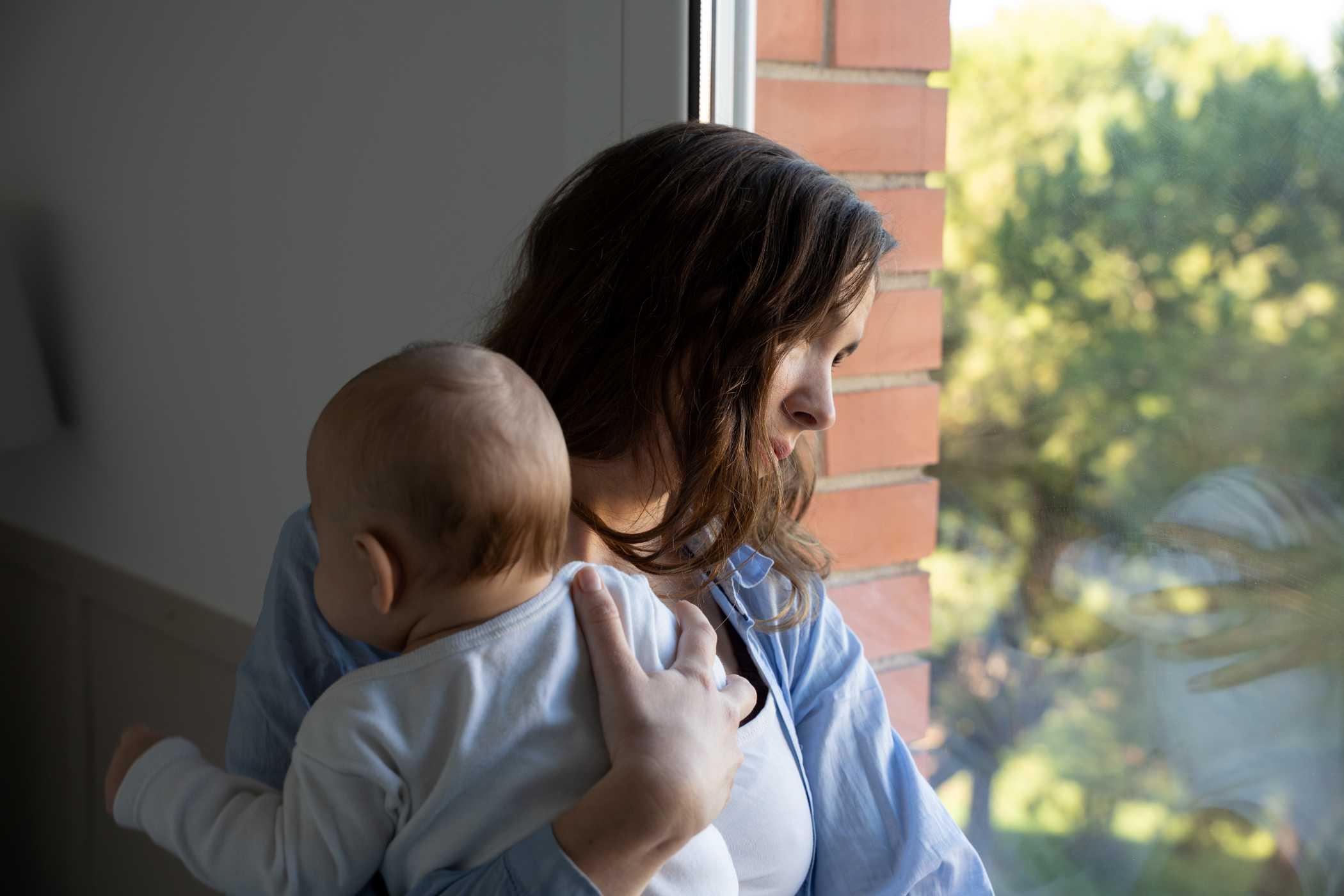
As babies, they lean against your chest searching for your warmth, scent, and the sound of your heartbeat. This position is very similar to the position in the womb and is extremely calming, reinforcing that your body is their favorite refuge. This kind of skin contact helps to establish a secure bond and is another silent way of saying, "I feel good with you, I want to be with you."
As they grow, they may become more selective about kisses or hugs, especially in public places, and it is important to respect their physical boundaries. Still, they will continue to seek other ways of contact: leaning on your shoulder while watching a movie, sitting on your lap, holding your hand while passing by… All these small actions are daily declarations of love and, even if they go unnoticed, express much more than a thousand words.
When they run into your arms when you come home
Any parent knows that when their children run to hug them when they come home… this is the best emotional gift they can receive that day. There is no money in the world that can pay for the complete feeling of happiness that comes from a child's joy when you return home from work. This feeling expresses that your child loves you more than anything else in the world, is eager to see you, and wants to hug you to show all their love.
How they react when they hear your voice, the sound of the key at the door, or sense you approaching is also quite meaningful. Many babies and small children move their eyes or head and search for the source of that familiar and beloved sound. This active search shows that they see you as a reference and protective figure, and their heart races with excitement when they sense your arrival.
Small children build trust every time their parents go away and come back. Therefore, it is important to always return before the children go to sleep or somehow talk to them every day. These "coming and going" cycles reinforce the message that separations are temporary and that love endures; this is an important message for their emotional security.
Your baby calming down after crying for a while just by hearing your voice actually means "I need you" and, in their own way, "I love you." Crying for mom or dad is not a whim; it is an instinctive form of communication: they know they will find comfort, support, and emotional regulation in your arms. Responding to this crying as much as possible does not "spoil" them; rather, it conveys the message that they can trust you.
Over time, maybe when they come through the door, they won't always jump into your arms, but they will continue to express their happiness in other ways: they will run to show you a picture, excitedly tell you what happened during the day, and take you to their favorite toy while holding your hand. Each of these gestures means, "I want to share my life with you"; when translated into adult language, it conveys a deep "I love you."
Creating routines and habits
Young children love routine, consistency, and rituals, and when they ask you to read them a bedtime story, brush their teeth with you, or do routines alongside you… this shows that their hearts love you completely. Wanting to hear bedtime stories means that this shared routine is a part of who they are and a part of how they understand the world because they love doing it with you.
Children make sense of their world through routines and order. What is predictable is safe and comforting for them. Routines provide them with a sense of security and love. When you repeat the same little ritual every night - bath, dinner, story, cuddle - the child feels that the day closes with a loving bond. This is not just an activity, it is your presence, consistently.
Even newborns may show a preference for certain sensory routines: the tone of voice you use when you talk to them, the songs you sing to them, the way you rock them. When you look carefully at their faces, you will see that they remain calmer in response to these familiar experiences, fix their gaze, or react with little smiles. This shows that they recognize and enjoy those moments, and that your constant presence gives them peace and belonging.
When your child wants you to put them to sleep, when they want to take you by the hand to the doctor, or when they ask you to read that particular story "one more time," it shows a clear emotional preference. This does not mean they don’t love other people, but they have established a special connection ritual with you, which makes them feel particularly understood and embraced.
Many daily routines - bath time, changing clothes, pre-sleep play, moments of conversation - continuously offer silent opportunities to say “I love you”: a longer hug, a gentle stroke on the back, a shared smile, expressions of recognition like “you’re doing great” or “I’m so happy to be with you.” Although they may seem like small details, they are the building blocks of creating a safe and lasting bond.
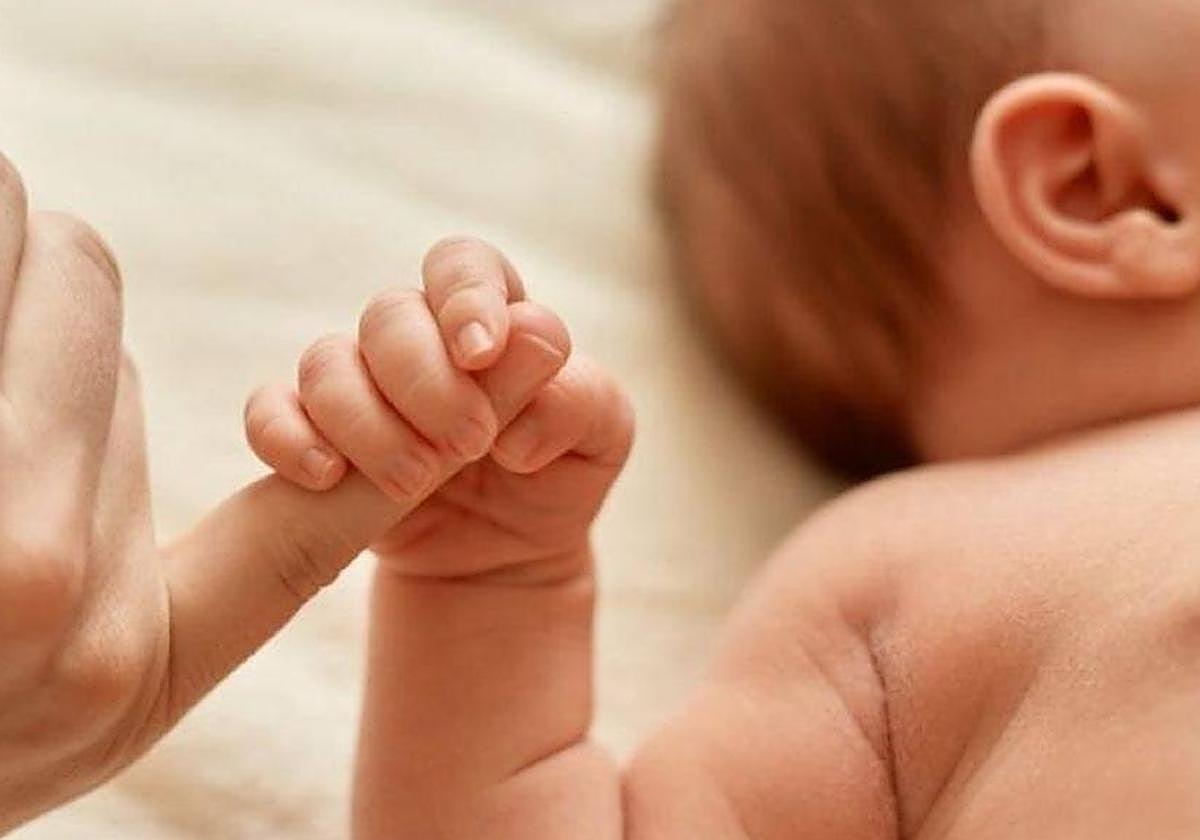
Every glance, every chatter directed at you from your baby’s face, every smile that appears when they see you enter the room, and every moment they reach out with their hands to hold you are subtle and powerful ways of saying “I love you.” They may not yet be able to articulate these words, or they may do it so often that it seems ordinary, but within each of these daily gestures lies a vast love that chooses you as their favorite person every time.




















Comments
(7 Comments)