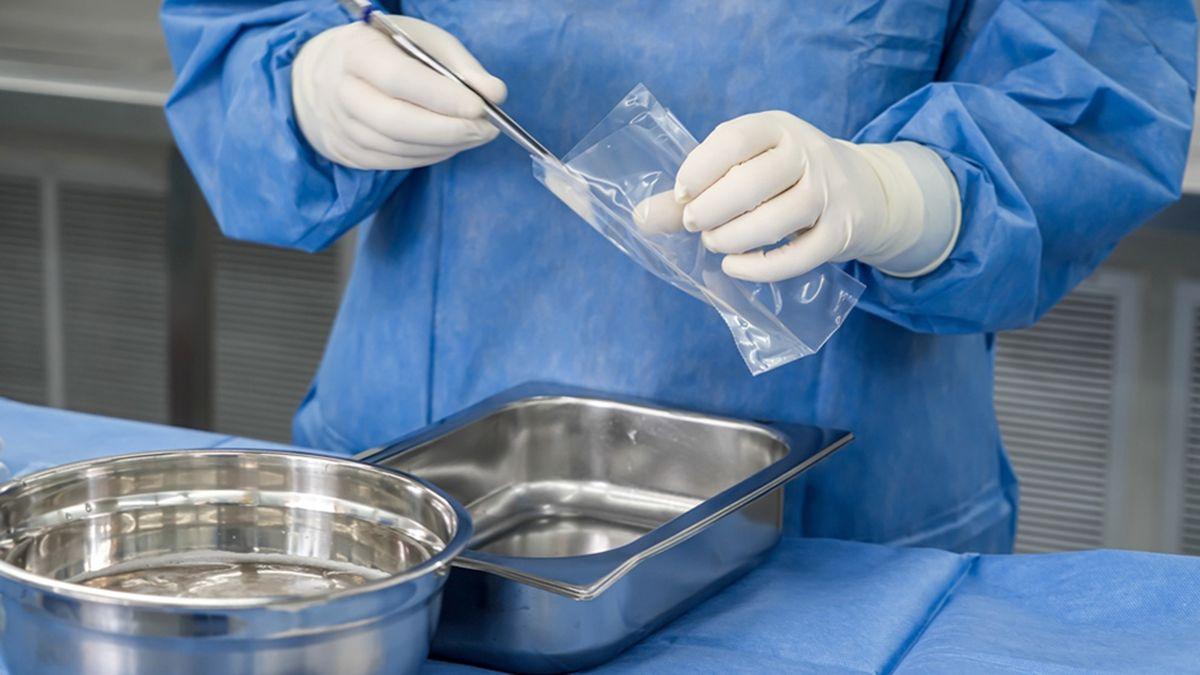
The province of Córdoba has set a historical record in placenta donation with a 40% increase in just one year. This progress has transformed into concrete treatments for hundreds of patients with severe burns and complex wounds, going beyond being a remarkable statistic.
Once regarded as postpartum pathogenic waste, this resource has now become a significant health source with great potential. Thanks to placenta donation and the processing of the amniotic membrane, public hospitals and reference clinics can offer low-cost and advanced treatment alternatives that yield very positive results in the healing of skin and ocular surfaces.
Historic Record for 40% More Donations and Tissue Bank
The Multitejidos Ecodaic Bank (BMTE), under the Ministry of Health, recorded a total of 269 placenta donations in 2025. This represents a 40% increase compared to the 193 donations recorded in 2024, marking the highest number since the program began in 2018.
In terms of volume, the bank processed 146,472 cm² of placenta tissue in 2025, significantly more than the 111,356 cm² obtained the previous year. This increase means more material for patients with burns, vascular ulcers, and severe ocular damage.
Since the beginning of the procedure, BMTE has assisted 532 individuals by processing over 1,000 amniotic membranes in the last seven years. Most of these patients faced difficult-to-manage wounds and required advanced solutions to prevent larger complications, significant permanent effects, or even vision loss.
Official data shows that 70 patients were treated with amniotic membrane only in 2025; about 80% of these patients faced extensive burns or long-term vascular ulcers. The remaining patients primarily have ophthalmological conditions such as corneal and conjunctival injuries caused by chemical agents.
From Waste to Key Therapeutic Tool
At the center of this program is the amniotic membrane, a collagen tissue layer that covers the sac that protects the fetus during pregnancy. After being processed under controlled conditions postpartum, this membrane becomes a true "biological patch" for the skin and ocular surface.
This tissue offers several valuable properties in medicine: it has anti-inflammatory, analgesic, and antimicrobial characteristics. Additionally, it promotes cellular regeneration and accelerates healing; this is particularly important in cases where the skin or cornea has suffered severe damage and there is a risk of infection, tissue loss, or functional permanent effects.
Initially, the use of the amniotic membrane focused on treating severe injuries to the ocular surface, such as chemical burns affecting the cornea and conjunctiva, in the field of ophthalmology. Over time, as clinical experience increased, most of the bank's production has now been directed towards dermatology and plastic surgery, where it is used to cover complex wounds, chronic ulcers, and extensive burns.
The change in this scenario has allowed patients with diabetes, vascular ulcers, or large burns to benefit from a treatment that reduces pain, protects the affected area, and improves conditions for faster and more orderly tissue regeneration. According to experts involved in the program, the application of the amniotic membrane has made a significant difference in many cases that had a much less certain prognosis just a few years ago.
María Nieves Paverini, the head of BMTE, emphasizes that the benefits of this tissue "know no bounds" and that the demand for international amniotic membrane continues to rise; this is due to its high clinical efficacy and relatively low cost compared to other existing regenerative treatments.
Impact on the Health System and Perspective from Spain and Europe
The experience of Córdoba overlaps with a trend observed in tissue banks in Spain and other European countries; here, the clinical applications of the placenta and amniotic membrane are being increasingly explored. Although a specific condition belongs to the province of Argentina, the lines of study show similarities to those promoted in European public systems: to make the best use of tissues obtained at birth and to utilize tissues that were previously almost entirely discarded.
In many European hospitals, tissue banks and transplant units voluntarily encourage placenta donation during planned cesarean sections; always with informed consent and strict safety protocols. The aim is to provide sufficient material to treat critical burns, corneal injuries, and other chronic wounds that do not respond well to standard treatments.
The Córdoba example demonstrates that when there is coordination between maternity wards, tissue banks, and burn services, the impact in clinical practice is very rapid. For instance, the Burn Service at Córdoba Hospital records between 1,000 and 1,400 surgical procedures annually, which is one of the highest figures in Argentina. Additionally, it has increased both the number of treated patients and the use of amniotic membrane in treatment protocols.
Such data is particularly important for European health systems; here, the pressure on burn patients, chronic patients, and elderly individuals with hard-to-heal wounds is increasing. Providing accessible and well-evaluated regenerative treatments has become a priority to reduce hospital stays, complications, and costs associated with more aggressive surgeries.
In parallel with what is happening in Córdoba, various European research programs are also evaluating the potential of amniotic membrane in new indications; always with the goal of enhancing safety, standardizing processes, and ensuring the use of this resource according to clinical criteria.
How to Donate Placenta and the Role of Citizenship
The continuous increase in placenta donation in Córdoba is explained not only by the technical improvement of tissue banks but also by the commitment of pregnant women and healthcare personnel. In this province, donations are primarily obtained from planned cesarean sections at Maternidad Provincial and Clínica Universitaria Reina Fabiola.
The procedure is quite simple: During pregnancy follow-up, women wishing to donate can express their intention to donate by clarifying questions related to the cutting of the umbilical cord during birth to their gynecologists. From this point on, the medical team coordinates all necessary steps with Ecodaic; this is carried out under conditions of safety and traceability, without interfering with the birth and the care of the mother and newborn.
Health authorities emphasize that this is a completely voluntary, altruistic, and anonymous act, occurring without any economic compensation. The decision is based on the idea that it can literally become a second chance for a tissue that would be discarded, for people who have suffered serious accidents or have long-term medical complications.
This donation model aligns with the strategies promoted in Europe regarding organ, tissue, and cell donation, and increasingly emphasizes the importance of well-informing citizens, building trust, and transparently demonstrating the results obtained. The Córdoba experience reinforces that social participation is essential for the long-term sustainability of such programs.
According to statements from Ecodaic, the increase in donations reflects a community showing solidarity and a very determined healthcare team promoting donation. The director of the institution, Romina Quiroga, emphasizes that this record is not just a number, but proof that a coordinated effort can transform an underutilized resource into a first-class treatment tool.
Results in Patients and Improvement in Quality of Life
Beyond the numbers, experts emphasize that the real impact of placenta donation is seen in the evolution of patients. Plastic surgeons, burn specialists, and ophthalmologists note that the amniotic membrane has provided significant healing in many complex cases.
For example, in the field of burns, when applied to the affected area, pain, inflammation, and the risk of infection are significantly reduced. This means less pain for the patient, better tolerance to treatment, and in many cases, a decrease in the need for painful dressings or additional interventions.
Experts like doctor Analía Riutort, associated with the burn service, indicate that the amniotic membrane provides significant benefits for both hospitalized and outpatient patients. In practice, this means that not only the most severe cases benefit, but also those recovering at home under expert supervision.
In ophthalmology, resorting to this "biological patch" option has become a very valuable alternative against chemical injuries and other serious assaults on the eye surface. The membrane protects the cornea, promotes reepithelialization, and improves conditions to preserve the patient's vision as much as possible.
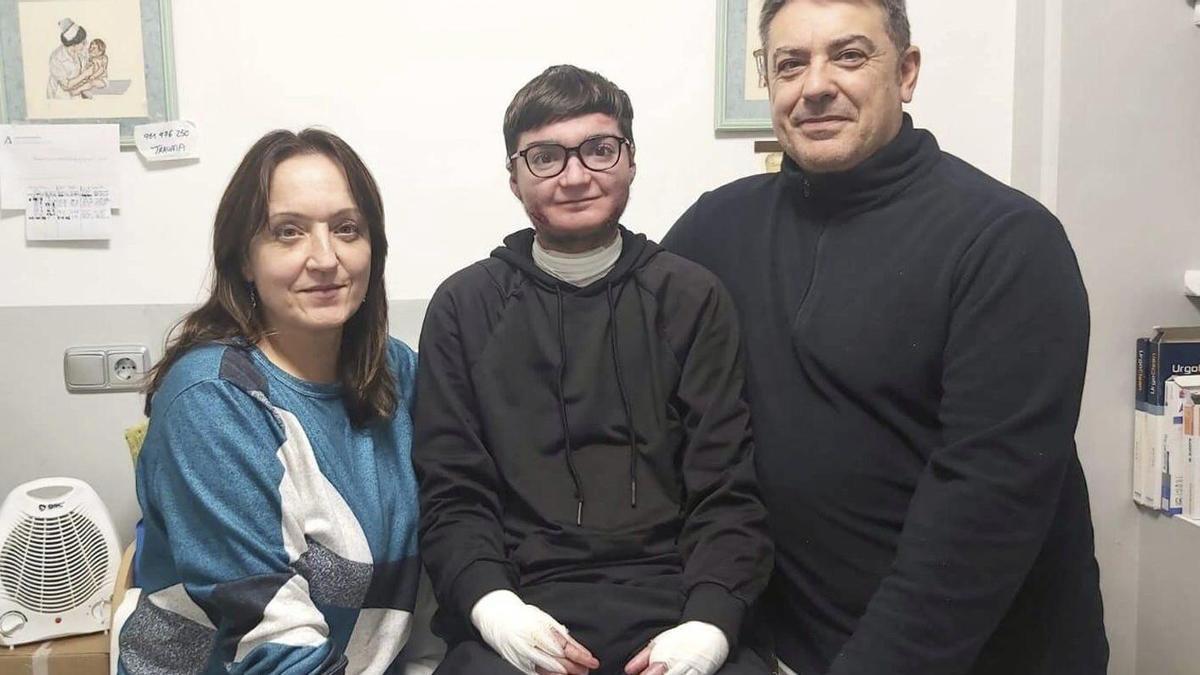
Testimonies collected by the Córdoba health system show that, like a patient who experienced very positive recovery after treatment with the amniotic membrane, these figures would otherwise remain at a purely statistical level. For these individuals, the combination of a well-evaluated biological resource and a trained healthcare team makes a difference between limited recovery and the possibility of continuing their daily lives in a more normal way.
This entire process demonstrates that a health strategy has been established, starting with the donation of previously harvested tissue, to enhance the quality of care for patients with complex wounds, optimize resources, and strengthen collaboration among tissue banks, hospitals, and citizens; this approach is particularly important throughout Spain and Europe.





























Comments
(9 Comments)