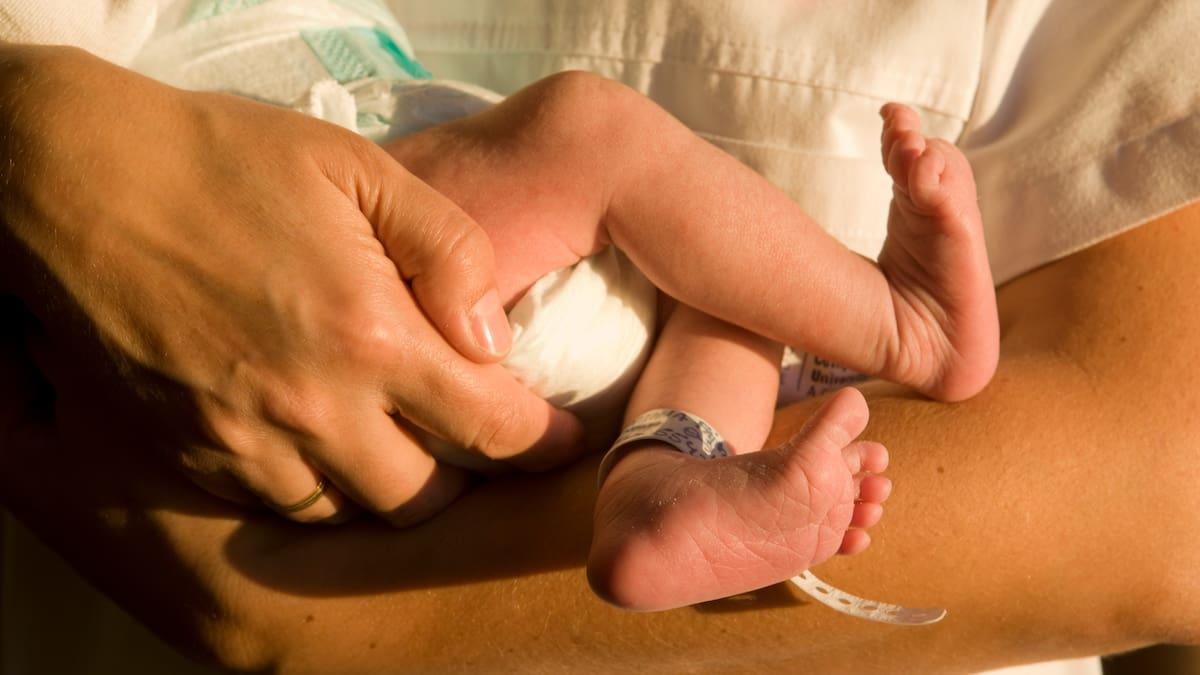
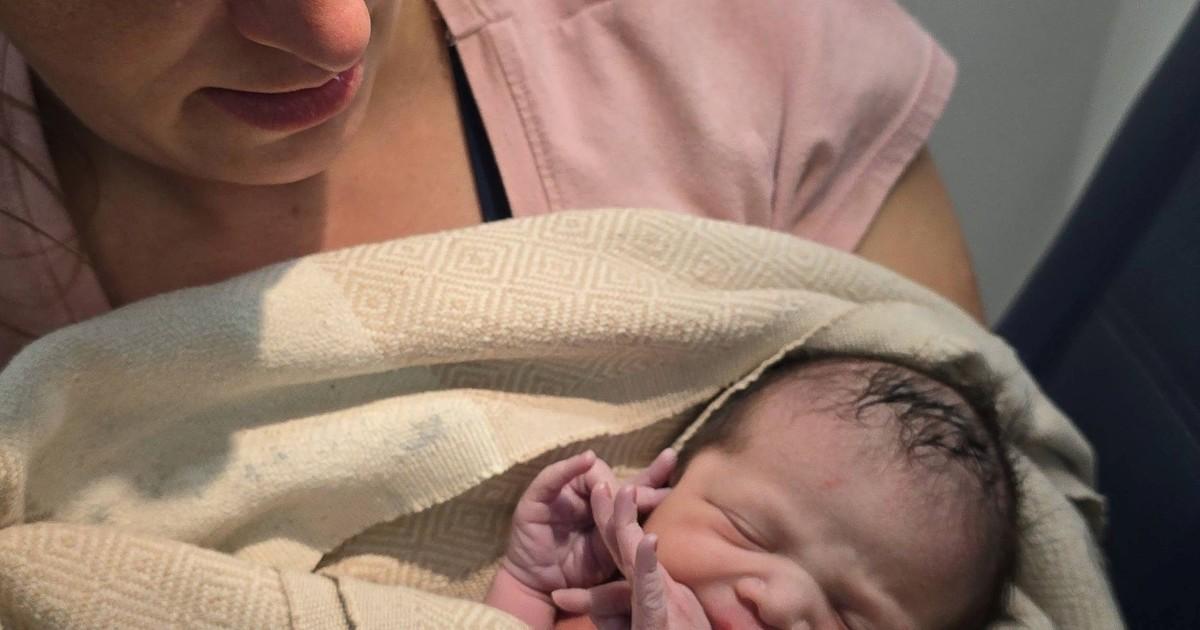
In many homes, the recommendation to expose babies to sunlight through the window to alleviate the yellowing of their skin is still heard. However, a comprehensive study conducted in the Valencia Region invalidates this long-standing advice, showing that it is not only ineffective but also poses risks to the health of newborns.
Researchers from the Polytechnic University of Valencia (UPV) and the Francesc de Borja University Hospital in Gandia, along with La Ribera Hospital in Alzira, have determined in their research conducted in collaboration with the Fisabio Foundation that sunlight passing through home windows is not a safe or recommended alternative against neonatal jaundice. This issue affects more than half of newborns.
What is Neonatal Jaundice and How is it Treated in Hospitals?
Neonatal jaundice manifests as a yellow discoloration of the skin and mucous membranes due to elevated bilirubin levels in the blood. In most cases, this condition is mild and temporary; however, in certain situations, bilirubin levels can rise significantly and lead to complications if not addressed in time.
One of the most feared risks is neurological damage associated with very high bilirubin levels. In developed countries, strict monitoring is conducted to prevent this condition. Therefore, current clinical practice is based on bilirubin screening and the use of regulated hospital phototherapy when necessary.
In neonatal units, babies are treated with phototherapy devices that emit blue light (usually of the LED type), which emit light at a specific wavelength with measurable, adjustable, and controllable intensity. During this process, bilirubin levels are regularly monitored, and treatment is discontinued when values fall within safe ranges.
In Spain and other European countries, jaundice is managed with this specialized equipment, but in daily life, the recommendation to expose babies to sunlight by the window for a while is still circulating. The authors of the study emphasize that this practice is not supported by current clinical guidelines.
A Widely Accepted Habit: Placing Babies in the Sun Behind Glass
Researchers have found that verbal suggestions such as "put them in the sun for a while, by the window" are still common, even in some health settings. This behavior continues despite the fact that medical protocols do not explicitly recommend exposure to direct sunlight to prevent or treat neonatal jaundice.
This habit is prevalent not only in Spain and other European countries but also in particularly resource-limited areas, where phototherapy machines are not available in every center. This study from Safor began with the desire to eliminate this habit while also aiming to explore safe and cost-effective alternatives for contexts with technological limitations.
Pediatrician José Miguel Sequí Canet from the Francesc de Borja University Hospital in Gandia aimed to scientifically refute the idea that sunlight coming through the window could replace clinical phototherapy. To this end, he initiated a detailed physical analysis of the light passing through home windows by contacting UPV's Gandia Campus.
What Exactly Did Researchers Examine in the Light Coming Through the Window?
The scientific team examined how sunlight behaves when passing through different types of glass. To do this, they evaluated seven different types of glass commonly used in residences, measuring radiation at different times of day and under varying environmental conditions to simulate real home situations.
The results show that the light in the home maintains a very high intensity in the blue band; this is precisely the same region of the spectrum used in medical treatments for jaundice. However, in this case, this light energy reaches the baby without the slightest control over dosage, duration, or distance.
Measurements taken outside reveal that the blue light from the sun can reach up to eight times the values used in intensive phototherapy in hospitals. While passing through glass, between 70% and 90% of this light continues to enter; therefore, the radiation level that a newborn can receive near a window is very high and particularly unpredictable.
Researcher from UPV Jesús Alba summarizes the situation at the Gandia campus as follows: placing a baby next to the glass exposes it to a mixture of radiation at densities that are difficult to measure; this is far above the parameters that are safely used in hospitals, and there is no possibility for dose adjustment.
The study also emphasizes that the most common glasses do not effectively filter other rays; these rays also reach inside the home.
The Problem of UVA and Infrared Radiation in Newborns
One of the most concerning aspects of the study is that residential glasses allow significant amounts of ultraviolet (UVA) and infrared radiation to pass through. These spectrum bands do not play a therapeutic role in the treatment of jaundice; however, they can add unnecessary risks.
According to the team's details, UVA and infrared radiation can increase the newborn's body temperature, promote dehydration, and cause damage to the skin and eyes, especially in the first days of life.
Phototherapy equipment is designed to emit blue light fundamentally, minimizing other radiations while providing maximum protection to the patient, whereas sunlight coming through the window reaches with a wide spectrum, without any selectivity and with no barrier against potentially harmful components.
This intense blue light, combined with the combination of UVA and infrared radiation, the newborn's weak ability to regulate temperature, and the fact that their skin is very thin, creates a scenario that is difficult to assess as safe from a pediatric perspective.
Why Can't We Control the Dose of Sunlight at Home?
In comparison to hospital phototherapy, here the light dose is measured, adjusted, and recorded, exposure to sunlight at home depends on many variable factors and cannot be standardized without specific equipment.
The authors of the study state that factors such as the time of day, season, weather conditions, the orientation of the building, the type of glass, the degree of contamination of the glass, the distance of the baby from the window, and the duration of exposure are effective. All these elements produce radiation that varies suddenly.
From a medical perspective, this variability does not allow for guaranteeing either the effectiveness or safety of treating jaundice by placing the newborn behind glass. There is no simple way to know how much energy is being received, so if this energy is excessive, it is also impossible to precisely reduce or eliminate it.
Pediatrician José Miguel Sequí emphasizes that residential glasses allow very high levels of solar radiation, contain blue and infrared bands across a wide spectrum, and come without any dose control. This fact invalidates their use as a treatment or preventive tool against neonatal jaundice.
The team's message is clear: even if it is behind a window and seemingly for a short time, exposure to the sun cannot be compared in any way to the regulated phototherapy treatments applied in hospitals.
Clinical Recommendations: Bilirubin Screening and Regulated Phototherapy
The study highlights the importance of following the clinical guidelines included in neonatology guidelines. These guidelines recommend monitoring bilirubin levels and analyses, especially in the first hours and days of life, and initiating phototherapy when safety thresholds are exceeded.
Regulated phototherapy uses blue light lamps or panels with well-defined wavelengths; the exposure distance is specific, and there is a duration determined based on the weight of the infants, gestational age, and bilirubin levels. This equipment allows for calculating the accumulated dose and reducing treatment when signs of excessive exposure appear.
Another important point is that the baby must be under health supervision during treatment; periodic checks of temperature, hydration, and analyses are conducted. This situation occurs in an environment where any clinical changes may go unnoticed for a longer time compared to a home setting.
Therefore, the authors emphasize that no window, no matter how large or bright, can replace a medical device designed and tested for treating neonatal jaundice. When it is suspected that the newborn is very yellow, the recommendation is to immediately contact healthcare personnel and not to use sunlight at home as a solution.
A Valencia Project Aiming for International Impact
The idea of researching this topic emerged within the framework of Safor Salut; this is a collaboration program among key actors in the Valencia health innovation system. Many actors, such as UPV, the Fisabio Foundation, and the Federation of Safor Employers' Associations (FAES), are involved in this program.
The study was conducted as part of the 2023 Polisabio program carried out by UPV and Fisabio, within the framework of the UniSalut collaboration, which brings together the Fisabio Foundation and several Valencia universities (UPV, Jaume I University, Miguel Hernández University, and most recently CEU Cardenal Herrera).
The study was conducted with the participation of professionals from UPV's Gandia Campus and the Francesc de Borja (Gandia) and La Ribera (Alzira) hospitals. The authors include experts in pediatrics, rheumatology, and acoustics, allowing the issue to be addressed from a multidisciplinary perspective.
The results have been published in reference scientific journals in the field of pediatrics, reinforcing the robustness of the findings and extending the message beyond the local area. The aim is to include the evidence produced in international recommendations and contribute to the elimination of a practice that is widespread in different countries.
The researchers emphasize that although the study was conducted in Spain, solar radiation and glass behavior are also applicable in many other settings; therefore, the results are significant for Europe and sunnier climates as well.
Safe and Affordable Solutions for Countries with Fewer Resources
In addition to firmly rejecting the practice of exposing newborns to sunlight behind windows, the Safor team is working on alternatives that could be beneficial in areas where conventional phototherapy is not widely available.
Alongside the study examining the light behavior of home windows, researchers are developing a special filter that can stick to windows and can modify the spectrum of incoming sunlight. The goal is for this material to select the useful band and significantly reduce unwanted radiation.
This has been designed as a cheap, easy to produce, and simple to apply and remove device; thus, it can be used in countries where adequate phototherapy machines are not available in health centers. Fisabio and UPV have submitted the necessary patent application to the national patent office.
A company that produces plastics has collaborated in the development of the prototype and has expressed a willingness to manufacture it if the project progresses. Although the patent process requires significant investment, supporters believe that this could provide a useful advancement to reduce the gap between rich and poor countries.
This approach is also compatible with other collaboration areas between medicine and technology within UPV's Gandia Campus; here, methods to reduce vibrations and noise inside incubators to enhance the well-being of hospitalized newborns are also being researched.
The evidence produced by this study leaves a clear message for families and professionals: relying on sunlight passing through a window is not a safe option for treating or preventing neonatal jaundice. Early intervention, bilirubin monitoring, and regulated phototherapy continue to be the preferred tools for managing this common condition and provide no therapeutic benefit to avoid additional risks.















Comments
(5 Comments)