We all remember being kept after class as a punishment for talking to a friend for a minute or not finishing an assignment on time during our childhood. I used to think about how unfair it was to be deprived of the playground. I had hope that such situations would not occur in education in the future. However, I realized I was wrong.
The other day, I ran into a neighbor who is in third grade, and he didn't look very well. When I saw him in that state, I asked why he was sad. The child immediately replied, "Mel, they deprived me of the playground today because I couldn't finish an assignment. They said I needed to be faster."
There are two things in this sentence that I disagree with. First, rushing a student to finish an assignment. This can cause the student to become tense and increase their anxiety, which may prevent them from doing it correctly. Second, depriving a student of the playground for any reason, especially using it as a punishment, is unjust. This is a completely outdated method that shows we are regressing in terms of education.
The playground is extremely necessary for all students, especially younger children. Students spend long hours in classrooms acquiring and absorbing the information taught by teachers. Students need a few minutes of rest, relaxation, and fun during their school days for the learning process to continue healthily. Nowadays, some teachers (luckily not all) overlook how beneficial the playground is for students and how it relates to internationally recognized rights.
Therefore, I hope this article will be useful and raise awareness that the playground at school should be understood and respected as a right, and it should not be taken as a reward.
The Playground is a Right: Rest, Play, and Healthy Development
When we talk about the playground, we are not just referring to a simple leisure time. Various organizations and experts state that the playground is a necessary rest period during school hours and serves a function as important for development as lessons do.
Article 31 of the Convention on the Rights of the Child recognizes the right of children to rest, play, and recreation and emphasizes the right to freely participate in recreational activities. This shows that rest and playground times at school are not an addition, but a whole of rights that must be protected and respected.
Experts in child psychology, pedagogy, and health remind us that play and rest are as important as access to education. The playground supports balanced physical, social, emotional, and cognitive development. If a school deprives a student of the playground continuously or disproportionately, it not only applies a controversial punishment but may also interfere with this fundamental right.
Some professionals in the field of law point out that a school's authority to punish has certain limits: Students' fundamental rights, the right to rest, the right not to be discriminated against, and the right to a healthy educational environment cannot be violated. Therefore, the situation of "being deprived of the playground" is becoming increasingly controversial both legally and pedagogically.
Although some local or institutional regulations may govern the playground as a possible corrective measure, it is emphasized that even here, it should have an exceptional, proportional, and educational purpose. It is not appropriate to use the playground as a continuous, automatic punishment or to prefer this method for issues that could be addressed more respectfully and effectively.
Motor and Physical Activities are Evolving
Many students use the limited playground time to play sports like football or basketball. In this way, students are exercising physically. They are having fun while playing and also maintaining their health. Two hours of physical education class per week is not enough to meet children's movement needs.
In the playground, children can run, jump, climb, chase each other, play hide and seek, or create obstacle courses. All of these increase the oxygen intake of the body and brain, release tensions, and improve motor coordination. Such spontaneous activities often complement what is done in the more structured physical education classes.
Psychologists and pediatricians emphasize that free movement has a direct effect on subsequent concentration abilities. After an active playground session, students often return to class more willing, their motor anxieties decrease, and they manage their energy better. Removing the playground is a significant contradiction, especially for more active students or those with attention issues: You are depriving them of what they need to focus.
Additionally, the playground is an ideal space for children to experience different types of physical play: from team sports to traditional games, from competitions to active symbolic play or balance activities. Every child finds their own way of moving, which promotes bodily self-esteem and a positive outlook on their own body.
Teamwork and Collaboration Are Encouraged
Through group sports played in the playground, students learn what team spirit, solidarity, and empathy are, and they learn to manage failure better when they lose. They learn to respect others, wait in line, and adhere to the rules they negotiate among themselves.
The playground offers a unique opportunity for children of different ages, classes, and realities to be together. This interaction promotes diversity, prevents exclusion and discrimination. Thus, a half-hour playground session strongly supports values education, peaceful conflict resolution, and collaboration.
Moreover, in some educational institutions, teachers also play games with students. In this way, an active and collaborative learning environment is provided, where adults not only take on a guiding role but also participate by modeling respectful and fair play behaviors. This aligns with many current pedagogical suggestions, recommending that adults sometimes step back and allow children to manage their games independently, intervening only to ensure physical and emotional safety.
The playground is also an opportunity for children to gain experience in different groups: large groups, small teams, pairs, or transitions between different classes and ages. No child should be left alone in the playground. Depriving a student of the playground not only prevents them from resting but also cuts off their participation in that play community.
Communication and Social Relationships Strengthen
The playground is where students can talk freely and without the restrictions of the classroom. They also have the opportunity to be together with their friends: they feel the desire to meet with friends who are not in the same class or course.
If they are deprived of the playground, they cannot see or talk to each other until the lesson is over. This is often a time that is inadequate or completely absent because, among extracurricular activities, homework, and family routines, the playground is one of the few moments that are truly free for establishing meaningful social connections.
In the playground, children develop essential skills such as negotiating which game to play, accepting others' suggestions, setting boundaries, apologizing, defending a friend, or mediating in a conflict. These experiences cannot be learned by reading a book; they are learned through repeated experiences in the playground. Depriving children of the playground also means hindering their socialization, which is extremely serious for children who are shy, have integration issues, or already feel insufficiently included.
Many child mental health professionals emphasize that shared play is a key pathway to emotional well-being. Through free play, children express what happens to them, process their worries, and create a narrative of their experiences in the classroom, at home, or with peers. Being deprived of this expression space can increase anxiety, sadness, or rejection of school.
Creativity and Imagination are Encouraged
The youngest ones invent many games in the playground. What is the benefit of this? It encourages creativity, originality, and imagination. It is important to remember that these concepts are extremely important for holistic personal development.
The playground provides access to various types of games: symbolic, physical, rule-based, board games, traditional, spontaneously invented, with creative materials or simple environmental elements. Each type of game develops different skills: from logical reasoning to planning, from emotional expression to problem-solving abilities.
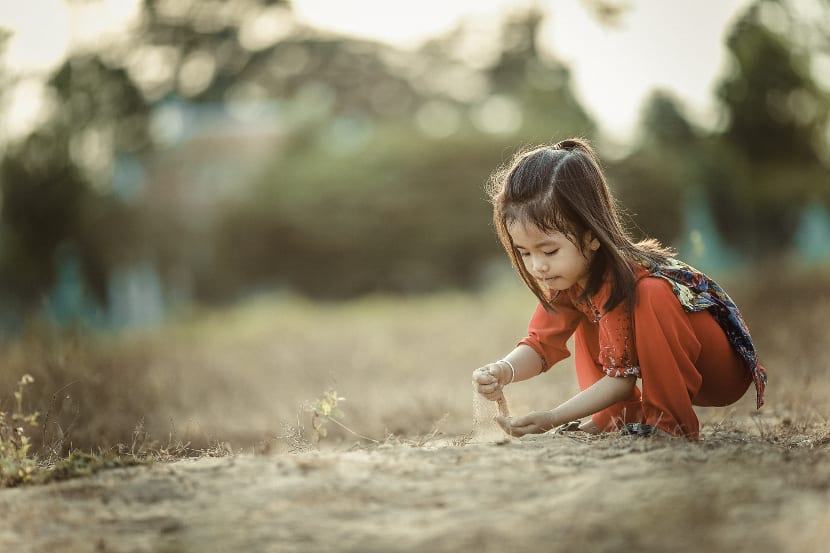
In an environment filled with screens and rapid stimuli, the playground offers an opportunity to re-engage all senses: touch, smell, listening, observing, and moving. Contact with the natural environment (trees, plants, soil, sand) or simple, even recycled materials provides a rich stage that allows children to experience and make mistakes without fear, which would be impossible if the playground were replaced with more homework or study.
The playground may also be the only opportunity for students to express themselves freely. Depriving children of the playground not only restricts playtime but also limits their chances to explore their identities and try out different roles outside the rigid perspective of the classroom.
Before concluding the writing that advocates for the playground in schools, I want to clarify a few things. I hope we can discuss these in the comments!
30 Minutes of Playground is Not Enough
The truth is: 30 minutes is not enough. During this free time, students are trying to find time to go to the bathroom and eat lunch. Not to mention the queues that form on the stairs to get down to the playground. So, the actual time left for play after the 30 minutes often drops to 15 minutes.
And 15 minutes is not enough for students to rest, play freely, socialize, and have a little fun before returning to lessons. Child play and development experts state that rest should be at least a period that truly allows for a change of activity.
If there is too short a time to go to the playground, children cannot initiate more complex games, resolve conflicts, or explore different materials or areas. The playground becomes just a procedure instead of a real time for fun and recovery.
Therefore, it is extremely serious that some schools continue to use these rest periods as punishment instead of considering extending or improving their quality. This can lead to the opposite of enhancing performance: more fatigue, more loss of motivation, and worse behavior in the classroom.
Reorganizing Lessons and Tasks
Some teachers do not understand that not all students are the same and that they have different learning speeds. They must adapt the duration of assignments and lessons so that no student is deprived of the playground due to time constraints.
For example, when I was in elementary school, the math teacher would write three problems on the board eight minutes before the end of the lesson. I could never finish in time, and that’s why I was deprived of the playground. Such situations still occur today, and they should not. Designing and organizing time in the classroom is fundamental for teachers in terms of both educational effectiveness and respecting students' needs.
Instead of punishing a student for not completing an assignment, it is much more logical to review whether the amount and difficulty of the proposed activity are appropriate, whether the instructions are well explained, whether support is provided to those in need, or whether a flexible pace is allowed. The responsibility of managing time cannot be placed solely on the child, especially if it comes at the expense of their rest.
Some pedagogical approaches suggest working with "logical consequences" instead of arbitrary punishments. For example, if a student damages a material, the consequence could be participating in the repair or renewal process; if they are causing continuous disruption, it may be possible to seek a guided thinking space to understand what is happening. Removing the playground does not have a direct relationship with the behavior to be addressed and does not teach what to do in another way.
When Will We Understand That Punitive Practices Are Outdated?
And it is not only outdated but also a practice that harms and makes students feel bad. There are not only expressions like "deprivation of the playground"; there are also phrases like "double the homework," "punishment of not watching a movie," "punishment of working alone." From my perspective, threatening, punishing, and forcing is of no use, especially in education.
Educational and psychological research shows that punishment can temporarily stop a behavior on its own but does not teach what should be done instead and does not enhance the child's self-regulation and decision-making ability. Furthermore, the repeated use of punishment is associated with increased anxiety, more resistance, more challenging behavior, and a worse relationship with school.
Because the student starts to see themselves as a negative image: they begin to see themselves as inadequate and useless. This significantly affects self-esteem. In the case of deprivation of the playground, the message received is: "You do not deserve to rest, play, or be with others." For many children, especially those with a history of sensitivity or emotional difficulties, this experience can be diminishing or exclusionary.
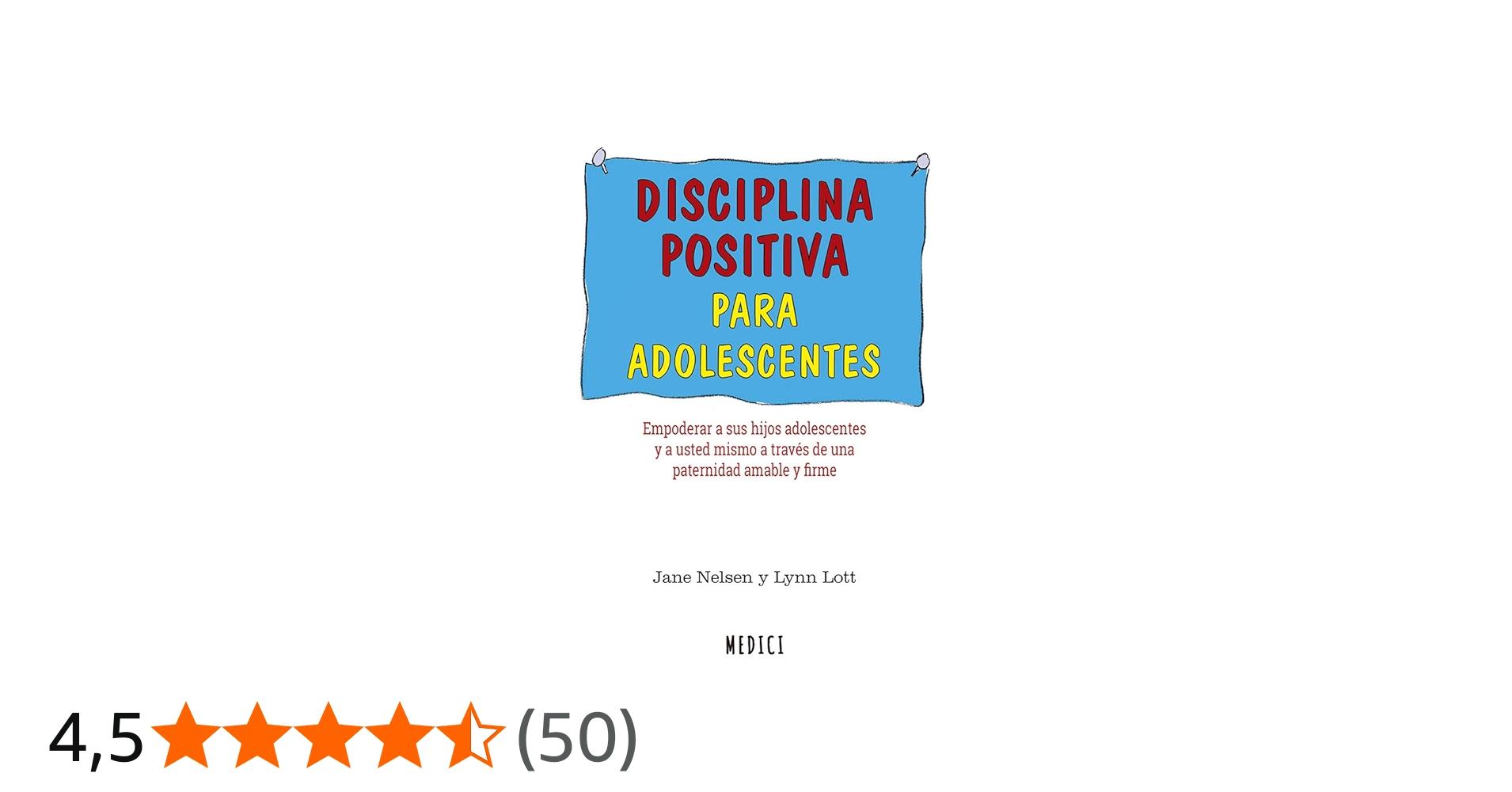
In contrast to this model, today's pedagogy advocates the concept of positive discipline: setting clear boundaries, but through respect, accompaniment, and seeking solutions. Positive reinforcement is suggested to emphasize and celebrate appropriate behaviors, use dialogue, and prefer harm repair over punitive sanctions.
The best strategies suggested to avoid deprivation of the playground are:
-
Positive reinforcement: recognizing and praising appropriate behaviors, so that the child is inclined to repeat them.
-
Guided thinking time: taking a calm moment to discuss what happened, how the involved parties feel, and what could be done differently next time.
-
Restoration and repair: if there is harm (material or emotional), involving the child in concrete actions for repair instead of applying punishment.
-
Clear and agreed rules: explaining expectations and consequences in a way that everyone can understand and negotiating with the group whenever possible.
The important thing is that the results are educational, respectful, and age-appropriate, and never violate the child's right to rest, play, or dignity. The goal is to ensure the student's understanding, thinking, and growth, not to control through fear.
I don't know, but it seems incredible to me that the practice of "depriving a child of playtime" is still maintained as if it were normal. The playground is an area that preserves physical health, strengthens social bonds, puts cooperation into practice, fosters creativity, and integrates fundamental emotional learning, and it is also associated with internationally recognized rights. To eliminate all of this due to an incomplete assignment or poorly managed behavior is not only disproportionate but also profoundly ineffective. Is depriving students of playtime an injustice? What do you think? Would you like to spark a discussion?

































Comments
(4 Comments)