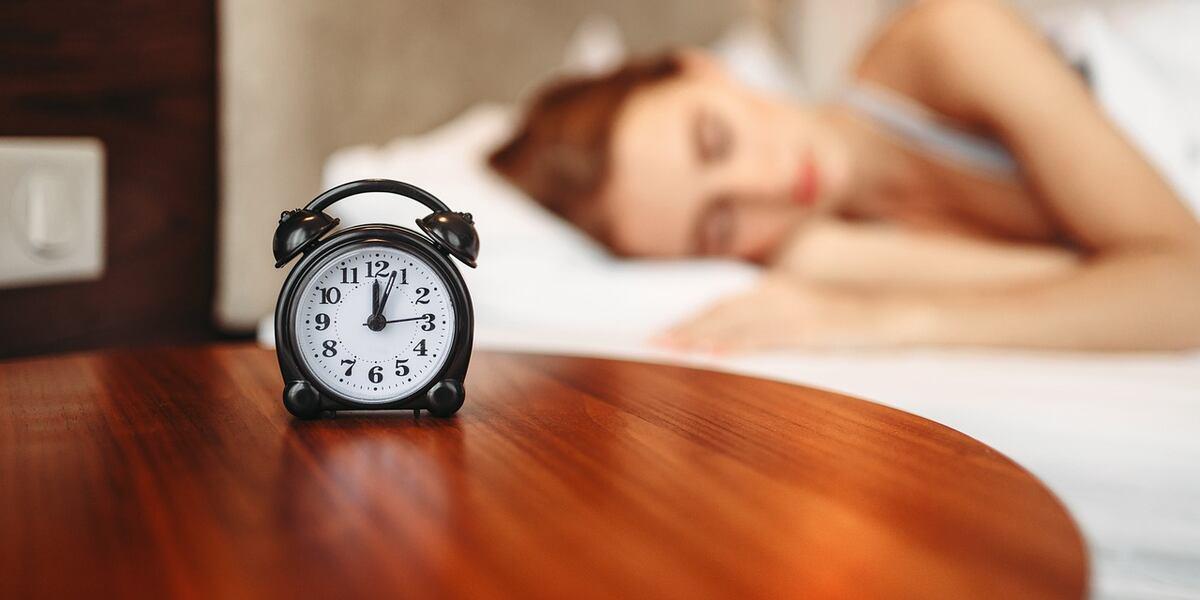
Every spring we have to set our clocks forward and while this may seem like a simple mechanical movement, it actually significantly affects our routine. We sleep one hour less, wake up feeling tired, and it can take several days for many people to feel 100% again. This is not just a matter of the hour hand and the minute hand; our biological clock also has to be reset accordingly.
Moreover, there are many questions, myths, and debates surrounding daylight saving time: Does it really save energy, does it harm the heart, will it be abolished in the European Union, is daylight saving time or standard time better... In this article, you will find a comprehensive guide filled with change dates, history, effects on health, and practical tips to help you adapt.
What is daylight saving time and when does the clock change?
In Spain and most European countries, there are two official time systems: standard time and daylight saving time. Daylight saving time starts in the last week of March each year and continues until the last week of October; this period coincides with the time of year that has the most natural light hours.
The spring clock change always occurs at midnight, transitioning from Saturday night to Sunday morning. At midnight 2:00 AM (on the mainland), the clocks move forward to 3:00 AM, resulting in a “one hour” loss of sleep that night, and the day lasts only 23 hours. The same adjustment is made in the Canary Islands on that night, but one hour earlier: it goes from 1:00 AM to 2:00 AM.
Setting the clocks forward in March and back in October is coordinated across the European Union by Directive 2000/84/EC. This directive stipulates that all member states must switch to daylight saving time on the last Sunday in March and revert to standard time on the last Sunday in October. The aim is to make better use of available sunlight and reduce electricity consumption, particularly for lighting.
Although daylight saving time starts in March, it does not coincide with the official start of summer. In the astronomical calendar, spring begins around March 20 or 21, and summer begins at the June solstice, around the 21st. The clock change occurs at the beginning of spring, at the moment when days noticeably start to get longer.
In practice, this adjustment causes us to have a slightly later dawn in the mornings, but in return, we enjoy longer and brighter sunsets. This means more light hours for work and leisure activities in the evening, and it is expected to save energy by delaying the time to turn on lights.
A brief history and purpose of the clock change
Daylight saving time is not a new practice. During World War I, countries like Germany, the United Kingdom, and the United States introduced this system to save fuel and electricity. The idea was simple: moving the hour of the day forward by one hour to better align light hours with lighting usage.
Over time, this practice spread to other countries and became established as a seasonal practice. Today, about a quarter of the world's population moves their clocks forward and back twice a year. However, the method of implementation and exact dates vary by region and the laws of each country.
In Spain, the first documented clock change took place on April 15, 1918; on this date, the practice known as “Daylight Saving Time” was introduced. However, in the following decades, there were times when it was not applied, such as during the periods of 1920-1925 and 1930-1936.
During the Civil War, different times were applied in republican and national regions. Interesting situations arose, for example, when the war officially ended, the time recorded in the republican area was one hour different from universal time; thus, legally, some events appeared to be advanced or delayed depending on the sides.
After these fluctuations, the regularity of the time change was established with the 1973 oil crisis. During this period of rising energy prices, many industrialized countries adopted daylight saving time again to reduce consumption. In Spain, this practice has been continuously applied since 1974; however, regulation and coordination with the rest of Europe have been adjusted over time.
The current alignment in the European Union was achieved with the 2000/84/EC Directive; this directive unified the exact dates of time changes in all member states: the last Sunday in March and the last Sunday in October. At the domestic level, official bulletins like the Spanish BOE publish the dates and times of each adjustment in advance for future years.
Current discussion in the European Union: is the end of time changes coming?
For many years, the abolition of annual time changes in the EU has been seriously debated. In 2018, the European Commission proposed to abolish them and allow each member state to choose a fixed time (summer or winter) throughout the year.
The European Parliament expressed a view in 2019 in favor of ending time changes, but for this decision to turn into a mandatory regulation, the European Council also needs to take an official position and reach a final agreement; this has not yet happened.
In various meetings of the Council, this issue has been brought to the agenda and tools have been presented to examine its effects; one of these was developed in 2019 under the Finnish presidency to assess daylight distribution under different scenarios. However, there is still no consensus on whether to maintain the existing system among countries, abolish it, or permanently determine which time should be set.
Until a clear decision is made, our traditional scheme remains valid: all member states switch to daylight saving time on the last Sunday in March and revert to standard time on the last Sunday in October. Each country has the freedom to choose one of the three time zones currently recognized in the EU, but it must coordinate time changes with others.
In short, as of today, there is no definitive end date for time changes. While political and technical discussions continue, we must continue to move our clocks forward and backward every spring and fall.
Daylight saving time, energy savings, and consumption at home
The official reason for maintaining the time change is the presumed energy savings. By moving the clock forward in spring, it aims to better align activity hours with daylight, thereby reducing the need for artificial lighting.
International studies, such as a meta-analysis published in 2017, found that the average electricity savings from daylight saving time is around 0.34%. This is a modest figure, but it at least indicates a slight reduction in consumption, particularly in lighting.
However, the actual impact on the energy bill is complex. While it may reduce light usage in some places, it can increase air conditioning usage: on longer and hotter days, air conditioning is used, while heating is used in cooler morning weather. Therefore, the results are not the same in every region, and it cannot be said that simply changing the clock will yield significant savings.
In the home environment, daylight saving time brings noticeable changes to our habits. When there is more light in the evening, it is easier to delay turning on lights in places like the living room, kitchen, or bedroom. It also encourages activities such as reading, working, or household chores to be done in natural light.
In practice, the time change is a good time to review small habits related to efficiency: adjusting light timers, checking heating or air conditioning programs, organizing awnings and curtains, and making the best use of sunlight in the areas where you spend the most time.
How does time change affect health and sleep?
Beyond energy, one of the most controversial points of daylight saving time is its effect on health. Scientific organizations such as the American Academy of Sleep Medicine or the Spanish Sleep Society have long warned about the effects of these adjustments on our bodies.
The spring time change is generally more challenging. Moving the clock forward causes us to lose 60 minutes of sleep all at once. While this may seem insignificant, many people experience sleepiness, fatigue, irritability, lack of concentration, and even a decline in physical and mental performance for several days.
These symptoms are primarily related to the disruption of biological rhythms; this is our internal clock that regulates when we sleep, when we are hungry, or when we are energetic. Our bodies synchronize to external signals, most importantly light. When we make a sharp time change, the body needs time to readjust.
Experts note that adapting to daylight saving time can take anywhere from a few days to a week. Children, the elderly, and those already experiencing sleep disorders are the most sensitive. Additionally, shift workers or those with very irregular hours are also more susceptible to disruption.
Furthermore, relationships have been identified between time changes and certain health issues: a temporary increase in the risk of cardiovascular events such as heart attacks or strokes, an increase in medical errors, worsening mental health symptoms, and a slight rise in traffic accidents in the days following the adjustment.
Daylight saving time or standard time: which is better for our bodies?
When discussing whether to maintain a fixed time throughout the year, the question arises: is daylight saving time or standard time healthier? Most chronobiologists and sleep experts argue that standard time is the most suitable for our biological clock.
Organizations such as the European Biological Rhythms Society, the European Sleep Research Society, or the Biological Rhythms Research Society argue that standard time aligns better with real sunlight. This way, exposure to morning light increases during the cold months, while excessive exposure in the evening is reduced in the summer.
Light is the primary "signal" that regulates our biological rhythms. When we are exposed to natural light in the morning, melatonin (the sleep hormone) levels drop, and our body understands that it needs to get moving. During midday, especially after eating, body temperature rises and a certain level of sleepiness is felt; this explains that typical dip. When night falls, melatonin rises again, and the need for sleep arises.
When we artificially alter this pattern, for example, with very long light durations in the evening, we force many people to go to bed later; however, work and school hours still start early. The result is shorter and lower-quality sleep; this affects performance, mood, and long-term health.
Therefore, while daylight saving time may be more "enjoyable" for evening entertainment, a large part of the scientific community believes that standard time is more conducive to providing appropriate rest and synchronizing our activities with natural light.
Tips for better adapting to daylight saving time
The good news is that we can do quite a lot to mitigate the effects of the spring time change. Adjusting our routines a bit in the days before and after the change prevents our internal clock from being suddenly affected.
In general, experts recommend combining several strategies: gradually changing sleep times, paying attention to light exposure, reviewing nutrition and exercise, and in some cases, considering melatonin support with professional advice.
Adjust your sleep time and establish a regular routine
One of the key points is to not wait for the weekend to make the change. If you move your bedtime and wake-up times forward by 10-20 minutes each day for a few days, by the time Sunday comes, your body will have done part of the work.
After the change, always try to go to bed and wake up at the same time, even on that Sunday. Keeping a regular schedule helps stabilize sleep more quickly. Even if you want to sleep more to "recover" the next day, it is better not to completely disrupt the routine to avoid prolonging social jet lag.
In the first few days, avoid long naps. If you can't cope with fatigue, prefer short naps of 20 minutes and never go beyond the afternoon. Resting too much during the day can make it harder to fall asleep at night.
Remember that, both before and after the change, ideally you should sleep at least 7 hours every night. Going to bed very late while it is still light but still waking up early will result in accumulated fatigue and worse concentration.
Healthy habits before bed
In the days after moving the clock forward, it is particularly important to pay attention to sleep hygiene. This requires reviewing what you do in the hours before going to bed; so you don't do things that will make it harder for your brain to relax.
First of all, limit caffeinated beverages 4-6 hours before sleeping. Coffee, tea, cola, or energy drinks can make it harder to fall asleep. Also, it is better to limit alcohol consumption in the evenings: it may initially induce sleepiness, but it disrupts rest and worsens overall sleep quality.
In terms of exercise, doing intense workouts right before bed is not a good idea. High physical activity at the end of the day raises body temperature and activates the nervous system; this makes it harder for the body to enter "rest mode." Try to leave at least 3-4 hours between your workout and bedtime.
It is also important to reduce screen time before bed. Blue light from phones, tablets, computers, and televisions inhibits melatonin production and signals to the brain that it is still daytime. Ideally, take time to engage in more relaxing activities that do not involve screens 30-60 minutes before bed: reading on paper, chatting, light stretching, meditation, etc.
Organize your meals and avoid heavy dinners
Our internal clock is synchronized not only with light but also with meal times. Therefore, it is recommended to keep dinner at more or less the same time or even move it slightly earlier on the days close to the change; this helps the body adjust.
For example, you can move your usual meal and dinner times forward by about 15 minutes for a few days. This small gradual adjustment helps the body associate hunger and satiety signals with the new time; without a sudden change in one day.
Additionally, it is beneficial to prefer lighter dinners in the first days of daylight saving time. Avoid very heavy, fatty, or spicy foods right before bed; this can increase acidity, digestive discomfort, and consequently lead to more restless sleep.
In terms of stimulants, minimize caffeine and other stimulants in the afternoon and evening; at least in the first days after the time change. This way, you help the body regain its rhythm without additional interventions.
Make the most of natural light and get outside
Light is probably the strongest tool for resetting the internal clock during daylight saving time. The main recommendation is clear: expose yourself to natural light in the morning and reduce it in the evenings.
After the time change, try to walk outside for a few minutes in the morning if possible; this can be a small walk before the day starts or even during breakfast break. This dose of light helps the brain understand that the day has begun and reduces sleep inertia.
Throughout the day, make the best use of daylight at home and work. Open the curtains, place your workspace near windows if possible, and try to do tasks that require more concentration during the hours when natural light is best.
In the evening hours, daylight saving time offers us more light hours; this is very positive for mood and energy levels. Taking advantage of this extra light to go for walks, do light sports, or organize social activities can help overcome the typical mood drops associated with less exposure to sunlight and lower serotonin levels during the winter months.
Power naps, yes, but with short and proper timing
There are different opinions about power naps after the time change, but most experts agree that if sleep debt is accumulating, taking a short nap is safer.
The important factors are duration and timing: make sure naps do not exceed 20 minutes and are not too late in the afternoon (around 3:00 PM). A short nap refreshes the mind and boosts performance; however, make sure you do not enter deep sleep stages, as this can make it harder to fall asleep at night.
For those who have difficulty falling asleep, it may be advisable to skip naps in the first few days; this allows the body to reach the night with sufficient "sleep pressure" and helps it to fall asleep more easily.
As always, it is important to listen to your body: if a short nap feels good and does not affect nighttime sleep, it can be a useful tool while adjusting to daylight saving time.
Use of melatonin and other sleep supplements
Despite routine adjustments, if difficulties in falling asleep persist, the use of melatonin-containing supplements can be considered.
Melatonin is a hormone that our body naturally produces and helps regulate the sleep-wake cycle. In appropriate doses, in tablet or drop form, it can contribute to shortening the time it takes to fall asleep and make waking up easier with less residual sleep.
Additionally, controlled-release products that combine melatonin with herbal components are also available; these include valerian, passionflower, lemon balm, or tryptophan. These products aim to facilitate falling asleep as well as improve sleep quality and overall rest.
In any case, it is important not to self-medicate and to consult a healthcare professional; such as a pharmacist. They can provide guidance on which product is most suitable for your needs, the appropriate dosage, and duration of use.
The arrival of daylight saving time creates a small imbalance in our daily lives every year but knowing its dates, origins, and effects on health well helps us manage this situation better. Gradually adjusting sleep and meal times, paying attention to light exposure, practicing good sleep hygiene, and resorting to supplements like melatonin if necessary helps the body to adapt more naturally. As discussions in Europe decide whether to continue time changes, we can turn each March transition into an opportunity to review our habits, utilize natural light, and maintain our rest.







































Comments
(7 Comments)