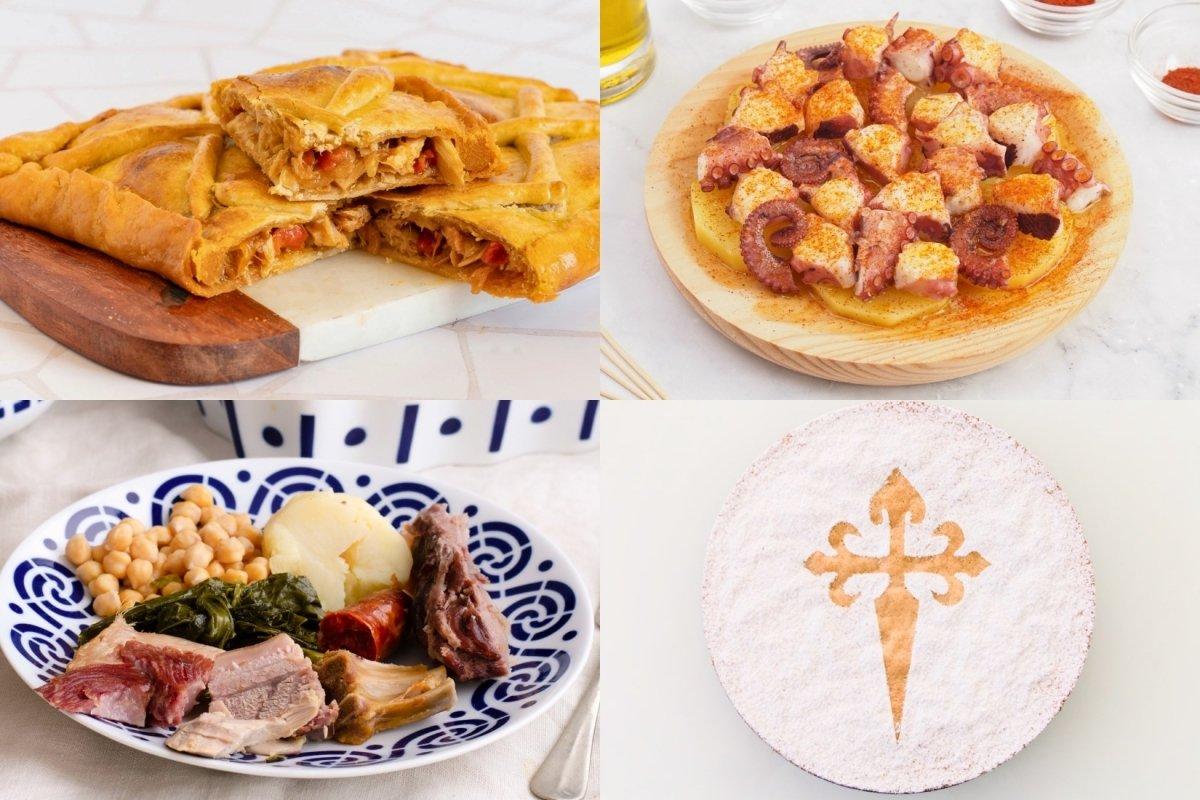
Galician cuisine is one of the kitchens that conquers silently: simple dishes, top-quality ingredients, and a dining philosophy where good eating is almost a necessity. From the first sip of soup to the last piece of Santiago cake, this cuisine brings together the sea, mountains, and tradition, as few others do in Spain, and the recipes have been passed down from grandmothers to grandchildren without losing their charm.
On this journey, you will find a quite comprehensive collection of Galician recipes: classics from romería like octopus á feira, hearty stews for cold days, pastries to share, local-style fish, and a pastry that is truly a delight. All of these are explained in detail, presented with a warm language, preserving the essence of one of the country's most beloved cuisines.
Features of Galician Culinary Culture
To speak of Galicia means quality products and an endless pantry. Its coasts, surrounded by cold and clean waters, offer seafood and fish that are enviable by world standards: mussels, oysters, scallops, sea urchins, sea bass, whiting… an almost endless list. However, the interior is not lacking either: green pastures for livestock, fertile valleys, and gardens where potatoes play the leading role, filled with grelos, cabbage, radishes, and legumes.
Traditional Galician cuisine is based on very clear ideas: good ingredients, uncomplicated preparations, and generous portions. In these kitchens, one sits down to the table knowing they will be satisfied, whether by the coast, in the interior, in a village house, or a city tavern. Technique is certainly important, but what matters here is the respect for the ingredients and traditional recipes.
For decades, many of these dishes have formed the foundation of Galicians' daily diet: warming soups in winter, appetizing stews, and energy-boosting meals, recipes that make use of every part of the pig, and humble desserts. Today, these recipes are still being prepared, sometimes with small modern touches, but without losing their old spirit.
Galicia's Seafood Classics
One of the most important things that introduces Galicia to the world is its relationship with the sea. In fact, many typical dishes are better understood when considering the fish markets, coves, and sea festivals where the product is tasted almost as soon as it is caught.
One of these symbols is undoubtedly Galician-style octopus or octopus á feira. Traditionally served at festivals, romerías, and local celebrations, this dish is prepared by boiling a well-cleaned octopus, preferably from Galicia, in a pot (classically copper). Nowadays, it is almost essential to freeze the octopus before cooking or to buy it already frozen to break down the fibers and achieve a softer result. Spring is the best time to find top-quality octopus, but many people freeze it to keep it throughout the year. It is served sliced, either over boiled potatoes (the famous cachelos) or without potatoes, seasoned with good olive oil, coarse salt, and sweet and/or spicy pepper. When served without potatoes, purists strictly call it octopus á feira.
Galician seafood platter is another preparation that transcends borders. On many restaurant menus across Spain, any dish containing plenty of seafood is almost automatically called “Galicia.” There is no definitive list of pieces, as this varies greatly by season and region, but it typically includes crab, shrimp, langoustine, sea urchins, mussels, clams, oysters, scallops, or sea urchins. The key is to respect the cooking time and the source of the seafood: the fresher and better processed it is, the more pronounced the flavors.
Among the fish, Carnota-style baked sea bass stands out; it is a wonderful way to taste a fish considered luxurious. The sea bass is baked with sliced potatoes, onions, and peppers until it remains juicy, and then a sauce made with garlic and pepper is added on top. When timing is observed, this dish is quite quick to prepare and presents a stunning appearance on the table.
Additionally, the fried sardines or parrochas typical of the Galician coast deserve mention. Parrochas are very tasty small sardines and are cooked in a pot with onions, tomatoes, and potatoes. Since everything is cooked together, it makes the process quite simple and concentrates the juices of the fish and the garnish in a single dish. This is a simple, economical, and quite homemade recipe that carries the aroma of village cuisine.
Galician-style scallops are a true luxury bite. The shells are filled with scallop meat and usually some onion, a bit of breadcrumbs or a similar preparation, and are baked until golden, filled with a juicy sauce to be eaten with bread. To enhance the flavor, Galician white wines like albariño, godello, or ribeiro are often preferred; these wines pair perfectly with seafood.
In the seafood category, alongside scallops, almejas a la marinera is also included; this is a dish that requires very little effort and yields great results. Its base is a sauce made with onion, garlic, pepper, and white wine, where good almejas are opened and cooked, especially favored in regions like Carril. The result: almejas are eaten almost unnoticed, accompanied by a rich and flavorful sauce.
Among the fish cooked in a casserole, Galician-style whiting stands out; this is prepared according to a very specific tradition. Whiting fillets are cooked with potatoes, and when ready, a hot garlic and pepper sauce is poured over them. The contrast between the tenderness of the cooked whiting and the smoky, aromatic texture of the garlic sauce makes this dish one of the most representative of Galician seafood cuisine.
Another dish not to be forgotten is Galician-style cauliflower with salted fish; this is quite common on Christmas tables. It appears to be a simple casserole where salted fish (usually desalted) is cooked together with boiled cauliflower and often potatoes; all combined with a garlic sauce like that of the whiting. The beauty of the dish lies in how well the cauliflower and fish are coated with that garlic and pepper oil; this provides a rich and balanced flavor and is also a very healthy option.
Spoon Dishes and Characterful Casseroles
Galicia is also rich in casseroles and good spoon dishes. The humid climate and cold winters demand warming meals, and it is quite rich in this regard: soups, stews, and casseroles have nourished generations by combining very humble ingredients well.
One of the great symbols is Galician soup. This thick soup is prepared with grelos, nabizas, cabbage or turnip, boiled potatoes (cachelos), white beans, and pieces of meat like chorizo, lacón, or boiled pork. All of these are boiled with fat and bones that give depth, fat, and a very distinct flavor. If allowed to rest a day in advance, the taste of the soup increases even more; therefore, many people cook it ahead of time. It has been one of the cornerstones of the Galician diet for many years and still holds an important place in homes.
If a dish earns the title of symbol of Galicia, it is lacón con grelos. Just as fabada represents Asturias or paella represents Valencia, this dish is a symbol of salted pork with seasonal vegetables. Essentially, lacón is desalted and cooked until tender, served with boiled grelos, potatoes, and often chorizo. The only important point is the quality of the ingredients and respecting the timing for everything to arrive at the table just in time.
Among the hearty dishes is also Galician casserole; it is often prepared with chestnuts in many homes, along with traditional legumes. It is a plentiful and filling dish; it requires large tables and many people. It contains lard, various types of chorizo, and many pieces of pork: lacón, ear, head, ribs, nose… sometimes beef and chicken are also added; along with grelos, nabiza, cabbage, turnip, and legumes like fabas or chickpeas. The version made with chestnuts and kale (or curly cabbage) adds a slightly modern touch to a completely classic recipe.
Chickpea tripe is a perfect stew for cold days. Here, legumes come together with different meats (real tripe and other cuts); along with onion, garlic, and pepper, a very tasty and slightly spicy dish is created. Interestingly, this Galician version does not use potatoes, but their absence is not felt: the gelatin of the tripe and the consistency of the chickpeas create a unique, strong dish that revitalizes everyone.
Another popular dish is carne ó caldeiro; it is quite common in Galician homes. Essentially, a piece of meat (usually beef) is cooked and a bit of fat is added, so the soup gains flavor; it is then served with potatoes. The final touch is to pour good olive oil over it along with sweet and hot peppers. Although it may seem like a very simple preparation, the secret lies in the quality of the meat and the good control of the cooking time.
Pies, Omelets, and Celebration Meats
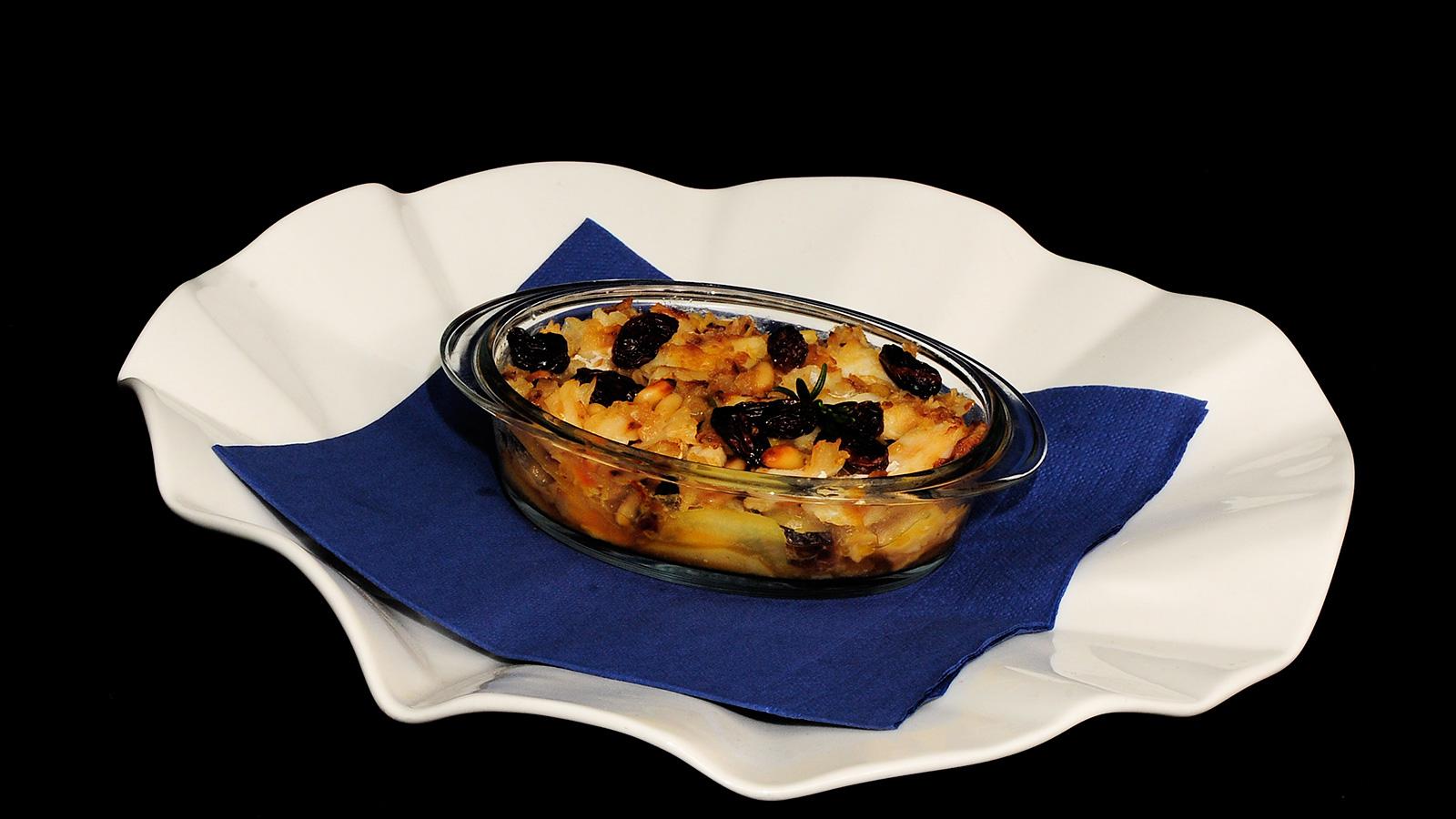
Galician pie has become an icon both within and outside the community. It is a pastry baked in large trays and sliced for sharing; perfect for celebrations, snacks, or picnics. There are many different recipes for the dough (with fewer or more layers, thinner or thicker) and a wide variety of fillings. Among them, the most classic is the one with peppered tuna, but versions with meat, salted fish with raisins, or even octopus are also quite popular. Every household typically has its preferred recipe and a personal secret.
Betanzos-style potato omelet is another Galician specialty in the province of A Coruña. What makes it so famous is its texture: extremely juicy, almost liquid inside. It is prepared with only eggs, potatoes, and salt, without using onion, and requires good skill to cook it perfectly. Bars and restaurants in Betanzos have become a magnet for lovers of undercooked omelets.
Among meats, Galician raxo is a dish that is never missing from many bar menus. Raxo is small, well-cleaned pork loin; it is marinated beforehand with garlic, salt, pepper, and usually a bit of wine or oil, and then sautéed over high heat. The result is tender, flavorful, and juicy bites. It is typically served with fried potatoes and, if desired, alongside Padrón peppers.
Traditional Galician Desserts and Sweets
The sweet side of Galician cuisine tells much more than it seems. From very humble preparations to internationally renowned cakes, Galician dessert recipes are long and varied.
Among these sweets, filloas stands out brightly. Traditionally made with eggs, milk, and flour, they are thin dough sheets similar to crepes (sometimes broth is added depending on the region). They are usually associated with Carnival, but they are prepared in more seasons each year. In the past, they were cooked in the large stoves of rural homes; here, a place was always reserved to keep the filloas warm while cooking. They can be consumed sprinkled with sugar alone, or filled with quince jam, chocolate, various preserves, boiled chestnuts, or cream.
Santiago cake is probably the best-known dessert outside of Galicia. It originates from the city of Santiago de Compostela and is sold today along the Camino and in almost every corner of Galicia. It is made with almond flour, egg yolks, and sugar; the result is a moist, aromatic cake with an intense nutty flavor. Its identity is defined by the decoration on top: powdered sugar sprinkled with a stencil in the shape of the cross of the Santiago Order, making its silhouette stand out on the surface.
Bolla larpeira is a very typical sweet. The name itself gives a clue: in Galician, “larpeira” is used for someone who loves sweets. This is a type of pastry made from a soft dough with a strong flavor of sugar and anise; it is baked with a soft interior and a slightly browned exterior. It is not a complex recipe, but it requires a good fermentation time to achieve the perfect texture.
Bica is a dessert closely associated with Ourense; bica blanca de Laza stands out. It is a special cake made solely by whipping egg whites (without yolks), giving it a light color and special fluffiness. On top, a very appealing crispy sugar layer forms. In places like Laza and Trives, bica almost becomes a tradition during the Galician carnival.
Corn porridge or corn puree represents a humble type of dessert; despite its simplicity, it leaves a mark. It is a type of porridge made with corn flour; in its basic version, it is cooked only with water and served hot as a breakfast. In richer versions, milk is added; sometimes just at the time of serving, and it is sweetened with sugar to make it a sweeter bite.
Carnival ears are typical recipes of this period. The dough consists of simple ingredients, is rolled out thinly, and is fried in plenty of oil; it becomes light and crispy. Its shape somewhat resembles a pig's ear; this is a playful reference that is part of the tradition. It is then sprinkled with sugar and eaten while sharing with family or friends.
Pumpkin chulas, known as chulas de calacú in some regions; this is a great way to take advantage of the vegetable season. The dough is usually similar to pastry dough; however, in many homes, a more liquid batter is preferred so that the chulas can be soft and pancake-like. If a thicker and rounder texture is desired, adding a bit more flour is sufficient. In any case, when fried and served sprinkled with sugar, it is a delicious bite.
Bollinos or bollitos filled with nata resemble the typical soft cookies of village kitchens. The way they are made with cream collected when fresh milk is boiled is common among families with their own cows or those who buy unprocessed milk. They are simple sweets with a strong milk flavor and are one of those family recipes that risk being lost if not passed down over time.
Closely related to this idea of thrift is nata maruxas, cookies unique to the Ferrol region. For a long time, it was a well-known sweet in the area, but it was not sold on a large scale until the pastry chef Mercedes Guerreiro made them popular. Their distinctive feature is the use of cream left when fresh cow's milk is boiled; this gives them a very characteristic texture and flavor.
To close the gastronomic festival, a good queimada is a must in Galicia. This drink, made with alcohol, sugar, and aguardiente, usually along with lemon or orange peel, is a hot drink, and around it, there is a ritual that is almost as important as the drink itself. It is prepared in a clay pot, and while it is stirred with a ladle, the alcohol is set on fire as the queimada prayer is recited. It is served in small cups and becomes not just a drink, but a moment of celebration and almost a magical moment.
Cooking at Home Like in Galicia
One of the great advantages of traditional Galician recipes is that despite relying on very local products, many recipes can be perfectly applied in a home kitchen. With good ingredients and following some basic tips, it is possible to approach the flavors of this region without leaving home.
To make the best use of fish and seafood, it is important to respect cooking times and not to overload recipes with heavy sauces. For example, for octopus, freezing it beforehand or buying it already frozen is almost essential to ensure it is tender and manageable. For shellfish (oysters, mussels, clams), it is essential to clean them well, remove the sand, and not to extend the cooking time too much; this way, you prevent them from drying out.
In the section on stews and spoon dishes, patience is a fundamental friend. Galician soup, tripe with chickpeas, or Galician stew requires time and low heat for the flavors to combine and the meats to remain tender. Also, many of these dishes become even more beautiful with resting; therefore, it is not a problem to cook them in advance and reheat them the next day.
Galician pastry recipes range from very simple (like corn porridge) to a bit more complex (bica, larpeira, or cakes); however, in every case, there are two determining factors: respecting the quantities and oven times, and using quality ingredients, especially for butter, cream, eggs, and almonds.
All these dishes show that Galician cuisine is much more than just four famous recipes. It is a way of cooking that starts with respect for the ingredients, memories of grandmothers, and a very special understanding of sharing: abundant, heartfelt, delicious, and meant to be shared. Whether it's a plate of octopus, a good lacón con grelos, a freshly made pie, or a slice of Santiago cake, every bite is an invitation on a mental journey to these lush lands filled with intense flavors and vibrant traditions.



































Comments
(9 Comments)