
Accidents are a significant health issue worldwide. Home accidents are one of the leading causes of death among children over the age of one and can lead to permanent physical and emotional injuries. Every year, many children suffer serious injuries at home, making it very important to work consciously and continuously to enhance child safety.
The highest risk of home accidents is observed in children aged 0-4 years because these children spend more time at home, are completely dependent on adults, and cannot perceive danger. Falls account for most non-fatal accidents, while situations such as fire, drowning, and poisoning are the causes of many deaths. Most of these accidents can be prevented by being knowledgeable about child safety, providing appropriate supervision, and organizing the home environment well.
The most accidents occur in the living room or dining room, where children spend most of their time. However, the most serious accidents happen in the kitchen, bathroom, and on stairs. These areas combine hazards such as water, heat, electricity, toxic products, and heights. Every year, thousands of children experience accidents in the kitchen, bathroom, or on stairs, and most of these can be prevented with small precautionary measures.
When Home Accidents Occur
According to statistics, most home accidents occur at specific times of the day and year, particularly when children are more active and supervision is lax:
- Late evenings and nights, when adults are more tired and there is more hustle with baths, dinner, and household chores.
- In the summer months, when children spend more time at home, playing with water, using fans, portable stoves, or air conditioning, and with windows often left open.
- During school holidays, due to increased time spent at home and playtime without direct supervision.
- On weekends, when routines are disrupted, guests arrive, home rearrangements are made, or unusual tools and products are used.
Other factors contributing to the increase in home accidents include:
- Stress at home, which can reduce adult attention and increase risky behaviors in children.
- The death of a family member or other mourning situations that can affect daily dynamics and supervision.
- Chronic illnesses in the family, which can significantly drain caregivers' energy.
- Poor housing conditions, which may include crowding, poor lighting, dampness, slippery floors, or inadequate electrical systems.
- Changing homes or moving, which can create boxes, unsecured furniture, visible tools, and an unfamiliar environment for the child.
Distraction and inadequate supervision are among the leading causes of accidents. Poor housing conditions and crowding can increase the number of injuries. Some accidents occur due to unfamiliarity with the environment; for example, when visiting friends, at grandparents' homes, or in vacation accommodations without appropriate protections for children.
Who is Most Exposed to Home Accidents?
Children aged 0-4 are the most exposed to accidents at home, but risks continue throughout childhood and adolescence. Children are generally more prone to accidents than girls; one reason for this is greater risk-taking behavior and intense physical activity.
Childhood injuries are closely related to social and economic disadvantage: Children from poorer families are five times more likely to die from an accident compared to children from wealthier families. In small homes, when there are many children and few resources to adapt the environment, the likelihood of falls, burns, poisoning, or entrapment increases.
Why Do Children Have Accidents?
Children are generally immersed in momentary interests and may be unaware of their surroundings; they are not aware of danger. They have a limited perception of their environment; this stems from a lack of experience or development, and they cannot yet foresee the consequences. They encounter new situations every day: objects, electrical appliances, heights, doors, cleaning products, furniture… Everything captures their attention.
Some factors that lead to children having more accidents are as follows:
- Short stature may prevent a child from seeing objects around them well: tables, corners, stairs, closing doors, moving cars.
- Curiosity and a spirit of adventure drive them to explore, open drawers, try tastes, touch outlets, or climb furniture.
- Rough play, such as pushing or wrestling, can lead to falls, head injuries, and trauma.
- Stress and tensions at home can lead to emotional disturbances, which may cause jealousy and lead them to take risks to attract attention without knowing the consequences.
- Inexperience causes them to misinterpret many situations. They do not know how to gauge the speed of a car, the risk of an open window, or the depth of water.
- Inadequate supervision by adults is one of the main causes of accidents. Especially young children require constant and active supervision; simply "being in the same room" is not enough.
Methods to Increase Child Safety by Age Groups
It is necessary to increase children's safety in the bathroom, kitchen, and other areas of the house. For this, developmental stages and levels should be taken into account, and preventive measures should be adapted to what the child can do at any moment.
- 0-6 months. Babies begin to roll over, grasp objects, and bring everything to their mouths. Nothing that they can put in their mouths should be left within reach, and they should not be left alone in a high place (changing table, sofa, bed). The crib should have sturdy bars and a suitable mattress; there should be no large pillows or plush toys that increase the risk of suffocation.
- 6 months-1 year. They stand up, sit, crawl, and continue to bring things to their mouths. Keep small objects and hazardous materials out of reach, ensure that outlets are protected and that cables are not dangling. Do not leave babies alone in the bathroom, even with a small amount of water, and place non-slip mats.
- 1-2 years. They move, walk, reach higher areas, find hidden things, and climb on sofas and chairs. Never leave them alone in risky areas like the kitchen or bathroom. Keep hot drinks out of reach, install safety barriers on stairs, and lock drawers containing sharp objects or cleaning products.
- 2-3 years. They are true adventurers, love to climb high, throw things, open doors and windows, and imitate everything adults do. Be a good role model, avoid dangerous behaviors in front of them, and always be cautious. Do not keep anything sharp, pointed, or that can catch fire within reach, and also hide them from view to reduce their allure.
- 3-4 years. They use adult items, understand simple instructions, are very curious, and love to explore. They can go up and down stairs alone, run, jump, and play more vigorously. Continue to be a cautious role model and start educating them about child safety: clearly explain to them where they should not go, why they should not touch outlets, or why they should not play in the kitchen.
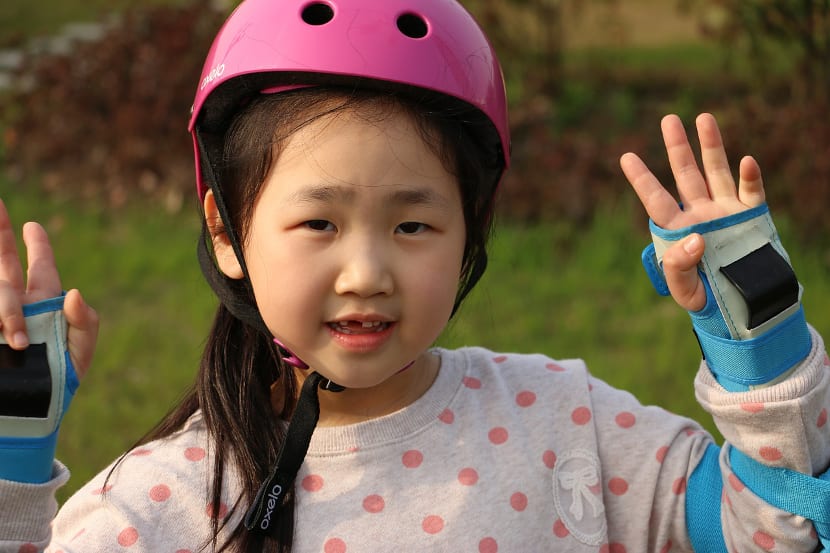
- 4-5 years. Loves to play exciting things, can be quite independent, rides a tricycle or bicycle, enjoys stories, and starts planning their own games. Safety rules must be very clear: helmet for the bicycle, not leaning on balconies, not playing with medications, and picking up toys to prevent tripping.
- 5-8 years. May be exposed to peer pressure and forget important safety things to impress other children. Still requires supervision, guidance, and support and needs consistent rules regarding screen use, electrical appliances, hand tools, or sports.
Most Dangerous Areas for Children at Home
The first step to increasing child safety at home is to identify the highest risk areas and adapt each area. No place is completely free of hazards, but some places account for most child accidents.
Doors and Windows
Doors can cause finger pinches and bumps, especially when drafts or older siblings slam doors shut. Unlocked open windows, even on the ground floor, pose a risk of falling.
- Prevent the child from opening them by installing safety locks on doors and windows.
- Avoid outside locking mechanisms that make exit difficult in an emergency.
- Keep furniture, chairs, or beds away from windows to prevent the child from climbing onto the window ledge.
Bathroom
Water is an area that involves direct contact with slippery surfaces and electrical appliances. The most serious risk is drowning in the bathroom, but burns from very hot water, falls, and poisonings from cosmetics or medications are also common.
- Make sure the bath water is at a safe temperature; test with your elbow and adjust the temperature if possible.
- Never leave a child alone in the bath, even for a few seconds.
- Store medications and cosmetics in high or securely locked cabinets.
- Keep hair dryers, straighteners, and razors out of children's reach and unplug them.
Kitchen
The kitchen is one of the highest risk areas: fire, heat, sharp objects, electrical appliances, hot water, cleaning products, and wet floors. Therefore, it is one of the places where home accidents occur most frequently.
- If possible, limit children's access to the kitchen, especially while cooking.
- Place pan handles inward so that children cannot grab them.
- Store knives, scissors, graters, and other sharp objects in locked drawers.
- Avoid carrying very hot liquids while children are playing or crawling on the floor, and always use these products on the countertop.
- Store cleaning products in their original containers, with safety caps, and in high or closed cabinets.
Stairs, Balconies, and Outdoors
Stairs are one of the most dangerous points for child safety at home. Falls can occur while going up, coming down, or playing near stairs. Balconies and terraces pose a risk of falling from heights if not properly secured.
- Install safety barriers at the top and bottom of stairs for crawling or walking children.
- Keep stairs clear of toys, clothes, or items that pose a slipping risk.
- Ensure that railings on balconies and terraces are of appropriate height and that the space between the bars is small.
- Do not leave chairs, tables, or pots near railings; these can serve as a temporary ladder.
Main Types of Home Child Accidents and Prevention Methods
Among children at home, the most common accidents are caused by falls, bumps, burns, drownings, poisonings, and suffocations. Knowing how these accidents occur and what specific precautions we can take is very important to reduce risks.
Falls and Bumps
Falls represent a very large percentage of accidents at home. They can occur from beds, changing tables, stairs, chairs, sofas, windows, balconies, or due to tripping over toys.
- Never leave a baby alone on high surfaces (changing table, sofa, or bed).
- Check the crib: mattress height, spacing of the bars, and stability.
- Install safety gates on stairs and secure balconies and terraces.
- Place protectors on the corners of tables and low furniture to reduce the impact of bumps.
Burns and Thermal Risks
Burns can be caused by very hot water, fire, hot surfaces, liquids, and freshly cooked food or electric appliances.
- If possible, keep children away from the kitchen while cooking.
- Adjust the temperature of hot water and check it before baths or showers.
- Protect or keep stoves, radiators, and irons out of reach.
- Prevent children from playing with lighters, matches, or candles.
Drownings
Drownings can occur in bathtubs, pools, ponds, buckets filled with water, or any containers with liquid. A very small depth of water and a few seconds of unsupervised time can lead to a serious accident.
- Constantly supervise the bath and never leave a child alone in the bathroom.
- Buckets filled with water, bathtubs, or inflatable pools should not be left unattended and should be emptied immediately after use.
- Prevent access to unsupervised pools and use safety fences around them.
Poisonings
More than 90% of child poisonings occur at home and particularly affect children under five years old. Cleaning products, medications, cosmetics, paints, and garden products are the most dangerous.
- Store medications and cleaning products in high and locked cabinets with safety systems.
- Always keep products in their original containers, with labels intact.
- Do not use water or soda bottles to store chemical products.
- In case of suspected poisoning, immediately contact emergency services or a poison control center.
Suffocation and Choking
Choking and suffocation are particularly common in the early years of life. They can occur due to inappropriate foods, toys with small parts, or plastic bags.
- Keep plastic bags, coins, small parts, button batteries, and deflated balloons out of reach.
- Avoid giving whole nuts to children under five or six years old; hard candies or popcorn should also not be given.
- Choose toys that are age-appropriate, bear the CE mark, and do not have small parts.
Useful Accessories and Precautions for Home Child Safety
In addition to supervision and education, there are very useful safety accessories to enhance child protection at home:
- Locks that prevent doors and windows from accidentally opening.
- Protectors for table, furniture, and bed corners.
- Plastic safety films that prevent table, mirror, or window glass from turning into sharp pieces.
- Socket protectors that allow you to continue using electrical outlets without posing a risk to the child.
- Safety barriers for access to stairs and risky rooms (kitchen, garage, laundry room).
- Child monitoring cameras to supervise when the child is sleeping or playing in another room; especially useful when combined with frequent physical checks.
Children should always be supervised, but parents need clear and up-to-date information to protect their children from the moment they are born. When they are young, adults must be their guides and protect them from dangers, showing them where they need to be more careful and helping them avoid unnecessary risks. Thinking about and periodically reviewing what preventive and safety measures are in place at home is one of the most effective ways to reduce child accidents.
Ensuring child safety at home does not mean making the home a hostile or forbidden place; instead, it requires adapting the environment so that the child can explore, learn, and play with the least possible risk. With clear rules, supervision, safety accessories, and a preventive attitude, it is possible to enjoy both a warm home and a safer environment.




























Comments
(2 Comments)