
When we think about having a baby, we always consider what the best time for their birth might be. Many families want their baby to be born in spring or early summer to take advantage of good weather, plenty of sunshine, and the feeling of being able to go outside without worry. However, it may not always be possible to choose, and when it is said that our due date will be in winter, it is common to feel fear due to the cold weather and possible complications.
In this case, questions arise: Can I take the baby outside? Is it dangerous for their health? What clothes do I need to keep them comfortable, warm, and safe? How long can we stay outside? Is a carrier or stroller better? What should I do if it rains, snows, or is windy?
With the arrival of cold weather, we will try to clarify these questions with practical and up-to-date information, so that you can enjoy walking with your baby in winter and avoid real risks.
Babies Get Cold Quickly
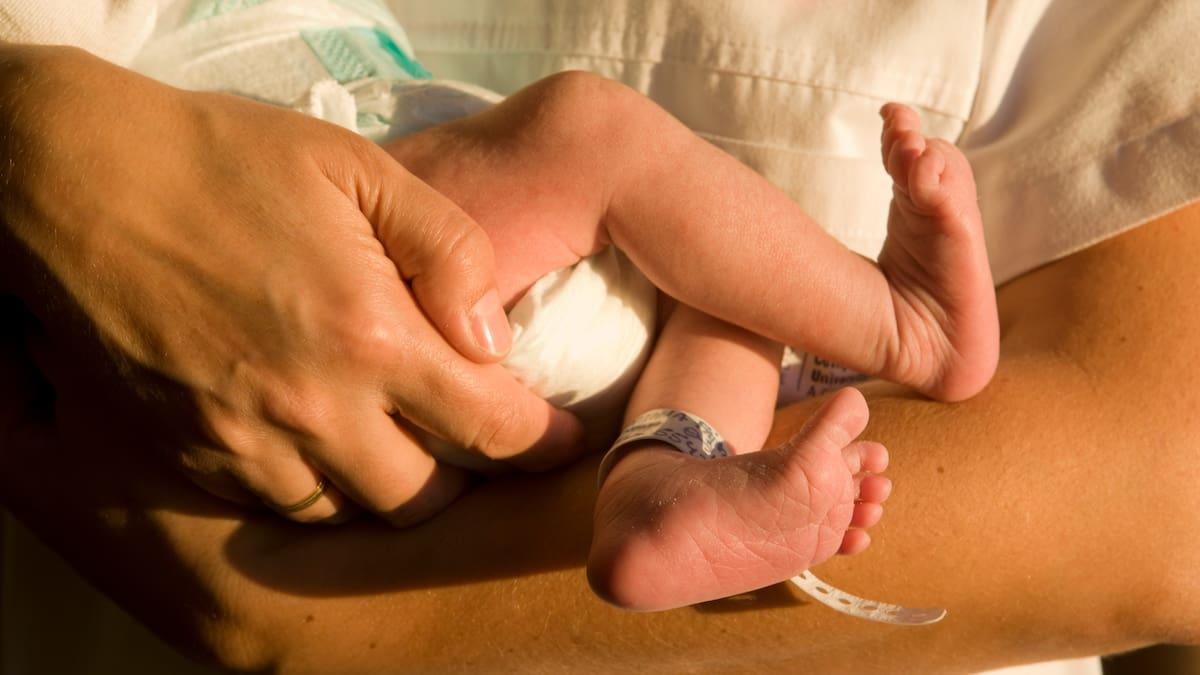
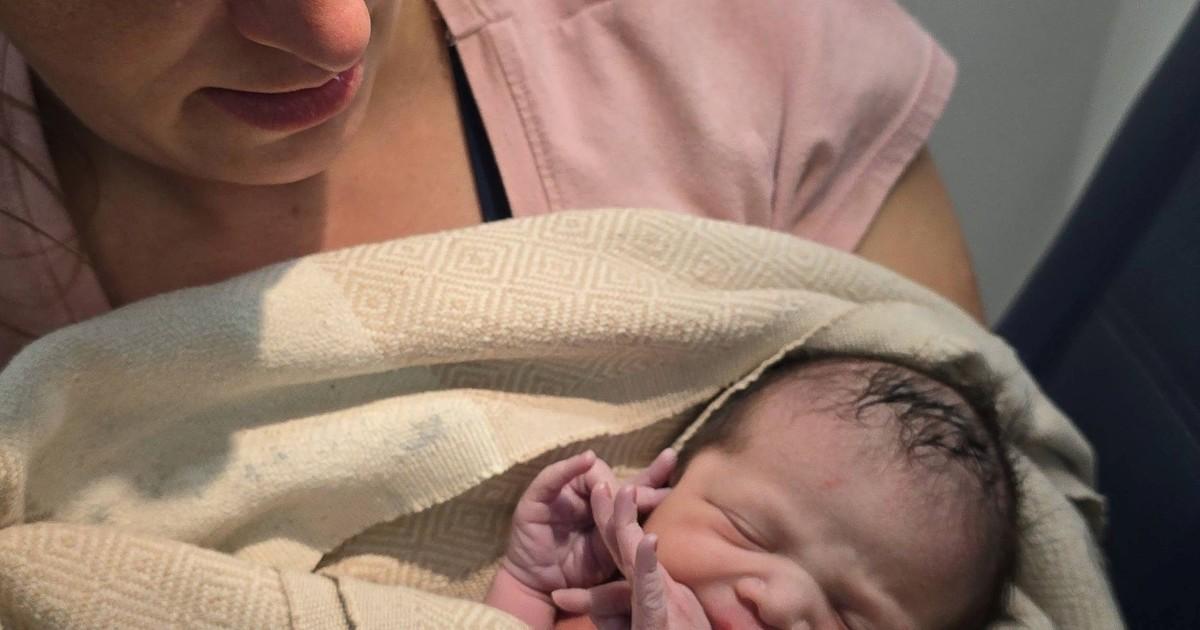
In the first hours and days after birth, babies lose heat very easily, and therefore we must increase precautions. Their temperature regulation systems are not yet mature, and temperature changes affect them more than adults.
During this initial period, it is very important to take the following precautions:
- Establish skin-to-skin contact with the mother or father as much as possible, as this helps balance warmth, breathing, and heart rate.
- Avoid passing the baby around uncontrollably, as this increases the risk of heat loss and exposure to viruses.
- Always cover the baby's head with a soft and breathable hat, especially when they are naked.
- The baby should only be left naked for a short time for diaper changes or basic care.
When Does the Baby Start to Regulate Temperature?
If our baby is a healthy newborn and has a normal weight, the temperature regulation center will start to function better within a few days and heat loss will not be as sharp. Still, in the first weeks, they are very sensitive to cold and extreme heat, so we must continue to assist them.
We cannot reduce our attention: their nervous system and skin are not yet mature, and we must dress them appropriately to support this regulation and avoid temperature changes.
Additionally, babies have special conditions: they have a small amount of subcutaneous fat, move less, lose heat more easily than adults, and struggle to control heat loss. Therefore, it is very important to observe them frequently and adjust their clothing according to the environment.
Winter Baby Clothes
So what should I prepare? Besides the clothes that everyone has in mind, let’s remember the essentials that must be kept at home for when our baby arrives to go outside.
- Long-sleeved cotton bodysuits serve as the first layer that is soft and breathable, in contact with the skin.
- Winter suits are better with front or crotch closures to facilitate changes.
- Hats that cover the head and ears well should be made of non-irritating fabrics.
- A special scarf or neck warmer for babies should not shed and should not be too tight.
- Gloves to prevent heat loss from hands are especially necessary during long walks or on windy days.
- One or two winter suits, preferably with hoods and a good opening for easily placing and removing the baby.
- Thick wool or cotton socks and shoes should not leave marks and should not restrict blood flow.
- A blanket or a soft and lightweight blanket to add an extra layer of warmth in the stroller or in your arms.
- A canopy for the stroller for rain and wind should come with good ventilation.
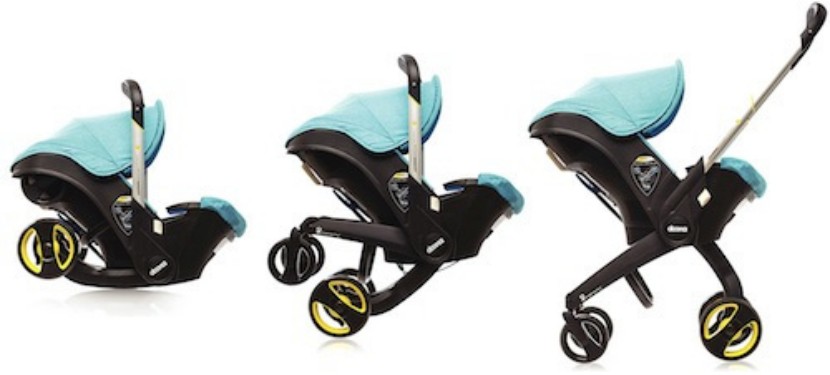
- A sleeping bag for the stroller or seating group should be suitable for the baby's age (crib or chair) and the coldness in your area.
In addition to these, other essential clothing items that can be very useful:
- To use a thin wool or cotton sweater as a mid-layer.
- An extra blanket to cover the baby in the stroller or to use in a baby carrier.
- A small moisturizing cream for babies to protect the baby's skin from cold and dryness.
Can We Go Outside with Our Baby in Winter?
After the first days spent in the hospital, our baby will be discharged, and we will need to take them outside to bring them home, so they need to go outside from the very beginning.
The old advice to wait 40 days before taking the baby outside does not have a scientific basis. As long as your baby is healthy and the weather conditions are not extreme, they can go outside very early by taking necessary precautions.
When we return home, it is important to consider going outside if the mother is feeling well and has had some time to recover. A walk is beneficial for both the mother and the baby: getting out of the home environment, changing the air, and moving a bit helps to support physical recovery and postpartum emotional balance.
The Benefits of Going Outside with Your Baby in Winter
Going outside with your baby in winter provides many benefits for both you and your child, just like in other seasons:
- Natural light promotes vitamin D production, which helps calcium bind to your baby's and your bones, which is very important in the first months.
- The gentle movement in the stroller often calms the baby and helps them fall asleep more easily.
- Fresh air allows the baby’s skin to tone and helps the immune system gradually strengthen.
- A daily walk is an ideal time to stimulate their senses: they see sounds, environmental noises, lights, colors, shapes, and new people, which supports their psychological development and curiosity.
- It helps them gain confidence in the outside world and overcome small fears, always with the safety of your presence.
- Many babies who go for daily walks feed better and sleep deeper, which is a result of the combination of stimulation and relaxation.
A walk is also very important for the mother (and father). Getting some exercise, breathing fresh air, and breaking the routine of being at home all day reduces stress, improves mood, and can help prevent or alleviate postpartum sadness. Additionally, it supports forming emotional bonds with your baby in a different environment.
When Should We Go Out?
Every day, as long as the weather permits. The best time is usually around noon. In the cold months of winter, this time of day usually has better temperatures, receives more sunlight, and hopefully, the sun shines.
In general, the recommended time frame for walking with your baby in winter is between 12:00 and 16:00, and the duration of the walk should be adjusted according to the temperature of each day. The first walks can be short (15-20 minutes), and as you see that your baby tolerates it well, you can gradually increase the duration.
Walking in extreme cold, when your baby is sick, in heavy rain, during heavy snowfall, or when an uncomfortably cold wind is blowing, makes walking in winter a real pleasure. In light rain, if the stroller is well protected and the temperature is suitable, you can go outside for a while.
Try to walk in garden areas and places without traffic. This may not always be easy in big cities, but there is usually a park or green space nearby where you can get cleaner air. Avoid busy streets, gas stations (due to the presence of substances like benzene), and areas with high visible pollution.
Taking the baby outside in winter helps them get used to temperature changes, which is a maturation process for their heat regulation system. The important thing is that these changes are not sudden and that you can adjust their clothing according to the environment.
Getting Ready to Go Outside
The first thing we need to assess when dressing the baby to go outside is the outside temperature and the clothes we will wear. There is a difference between a mild winter and a very cold climate, as well as between a short walk and a longer one.
Dressing the baby too little is just as bad as dressing them too much. An excessively thick coat can cause the baby to sweat, get their clothes wet, and then feel colder, as well as increase the risk of overheating.
The important thing is to use the layering system. Dressing the baby in a few lightweight layers that are easy to put on and take off is much better than dressing them in a single thick garment. Layers help adapt when transitioning between outside and inside (stores, doors, public transport, etc.).
As a simple rule, it is sufficient to dress the baby in one layer more than what you are wearing. If you are comfortable in a t-shirt and coat, your baby should wear a bodysuit, sweater, and snowsuit. This way, when you enter a shop or an enclosed space, or when the temperature rises, you can easily remove a layer from the baby's clothing.
To check if it is cold or hot, feel the baby's nape or chest: it should be warm but not sweaty. Hands or feet may be a bit cooler, which does not mean the whole body is cold.
Key Clothing and Accessories for a Safe Walk
The baby should always wear gloves and a hat in cold weather. The hat should completely cover their ears. The baby's ears are a very sensitive area, and low temperatures, especially with wind, can cause significant discomfort.
Be careful that the clothes they wear are a bit loose. If the clothes are tight, the baby will be uncomfortable, and the walk will not be enjoyable. Additionally, overly tight clothing can hinder circulation and ironically cause the hands and feet to feel colder.
If the baby is not yet walking, thick socks and soft shoes are sufficient; this protects their feet from the cold but should not be excessively rigid. If the baby is taking their first steps outside, it is important to choose flexible winter shoes with a non-slip sole and, if possible, an insulated interior.
Always keep the stroller's rain cover with you, but do not routinely put it on if there is no rain or wind. Plastic can create a "lens effect" and significantly raise the temperature inside the stroller, creating a very hot and humid environment. It should only be used in rain, snow, strong winds, or extreme cold.
If you are using a baby carrier, the main coat should be yours or a special cover for carrying. It is not safe to attach a carrier over a thick coat, as it can be misadjusted and lose its ergonomics. Dress the baby in thin layers and cover them with your coat or a special winter cover for carrying.
Adverse Weather Conditions: Cold, Wind, Rain, and Snow
Winter days are not always the same. In some cases, it is better to shorten or postpone the walk:
- Severe cold: If the temperature is very low but you are dressed well, the cold is not inherently harmful; however, you should reduce the time spent outside and observe the baby frequently.
- Strong wind: Strong wind can be very uncomfortable, can cool quickly, and can stir up particles, viruses, and microbes in the air. In these situations, it is better to seek well-protected areas or stay indoors.
- Rain: In light or moderate rain, you can take the stroller out protected with a special rain cover. If the rain is continuous and very heavy, it is wisest to avoid long walks and wait for a better time frame.
- Snow: Days when it snows are usually cold but in a drier environment. If the baby is well dressed and protected from the wind, this situation is not particularly dangerous, but it is important to be careful about slipping and the duration of the walk.
Avoiding Temperature Changes
Try to avoid temperature changes, as the baby cannot regulate body temperature properly yet. Generally, what causes the baby to get sick are sudden transitions from extreme heat to cold (or vice versa).
When you enter a very hot place, remove the outer layers of the baby (suit, blanket, hat) so that they do not overheat. And before going outside, slowly put these clothes back on before exposure to the cold.
Other Important Care in Winter Months
In addition to clothing and walks, it is important to pay attention to other factors during the cold months:
- The baby's skin: Cold weather and the dry environment created by heating can dry out the skin. Use a special moisturizer cream or oil for babies every day and avoid very hot or frequent baths.
- Indoor temperature: Ideally, the house should be kept around 20-22 degrees and prevent the air from becoming excessively hot. In the baby's room, after the first weeks, 16-20 degrees is sufficient along with suitable clothing for sleep.
- Hygiene: During cold season, reinforce handwashing habits for all family members, avoid close contact with sick individuals, and ventilate the house well every day.
- Car safety: Do not strap the baby into the car seat with a very thick coat. Adjust the seatbelt over relatively thin clothes and once secured, add a blanket on top if necessary.
With these suggestions and common sense, you will see that it is completely possible to go for walks with your baby in winter. The cold does not have to be an enemy; rather, it can be a different scene where you can continue to build bonds, create healthy routines, and make valuable memories. Enjoy the winter!
















Comments
(7 Comments)