There is a classic sentence I often hear from many parents and teachers: "There are things children need to learn before the age of six..." This is a period when the learning process accelerates and content begins to be adopted. Apparently, "before the age of six" is considered a deadline for acquiring certain specific knowledge; for example, reading, writing, and basic math operations (like addition and subtraction).
Yes, children between the ages of four and six are in the second stage, but this still falls under early childhood education. Many experts in literacy argue that these skills should begin to be learned in elementary school (memorization reading starts in first grade, while comprehension reading develops in second grade), but some parents and teachers believe it should start before that. However, this rush may lead to lack of motivation and school failure in the future.
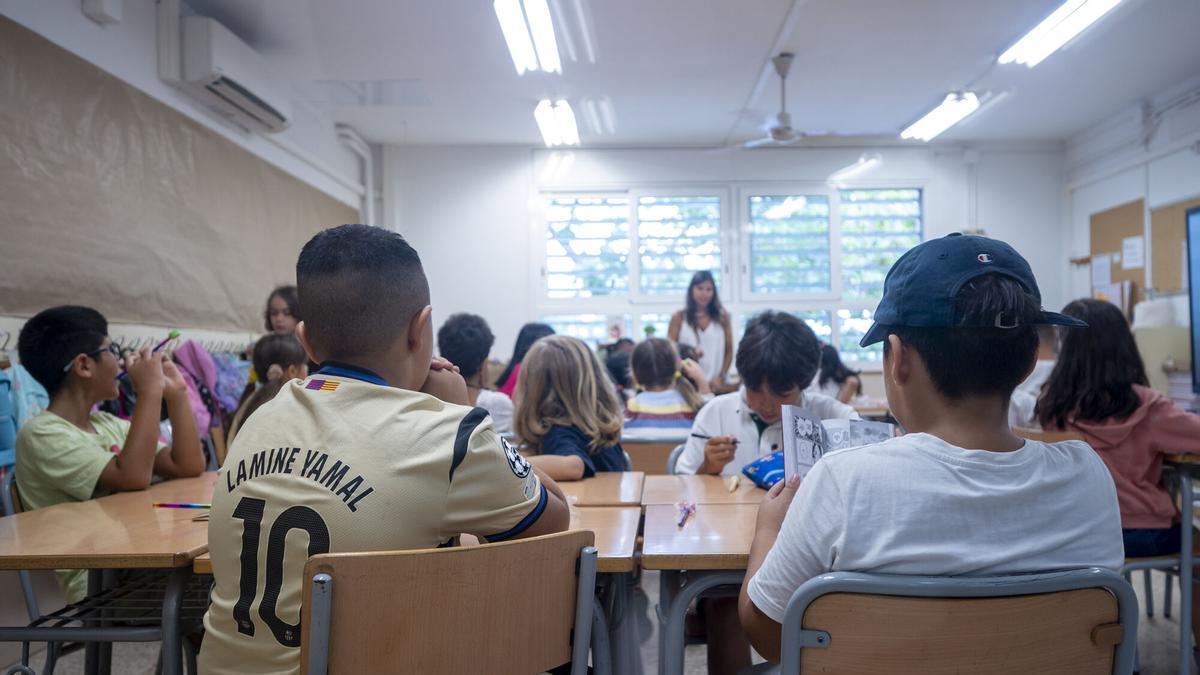
So, what should a child learn in school before the age of six, and are these topics sufficiently considered in some schools? Beyond letters and numbers, this period is critical for physical, cognitive, social, and emotional development. Additionally, fundamental skills such as autonomy, respect for others, managing routines, and desire to learn also need to be developed. All of these will lay a foundation that supports future academic success.
Physical and Motor Development
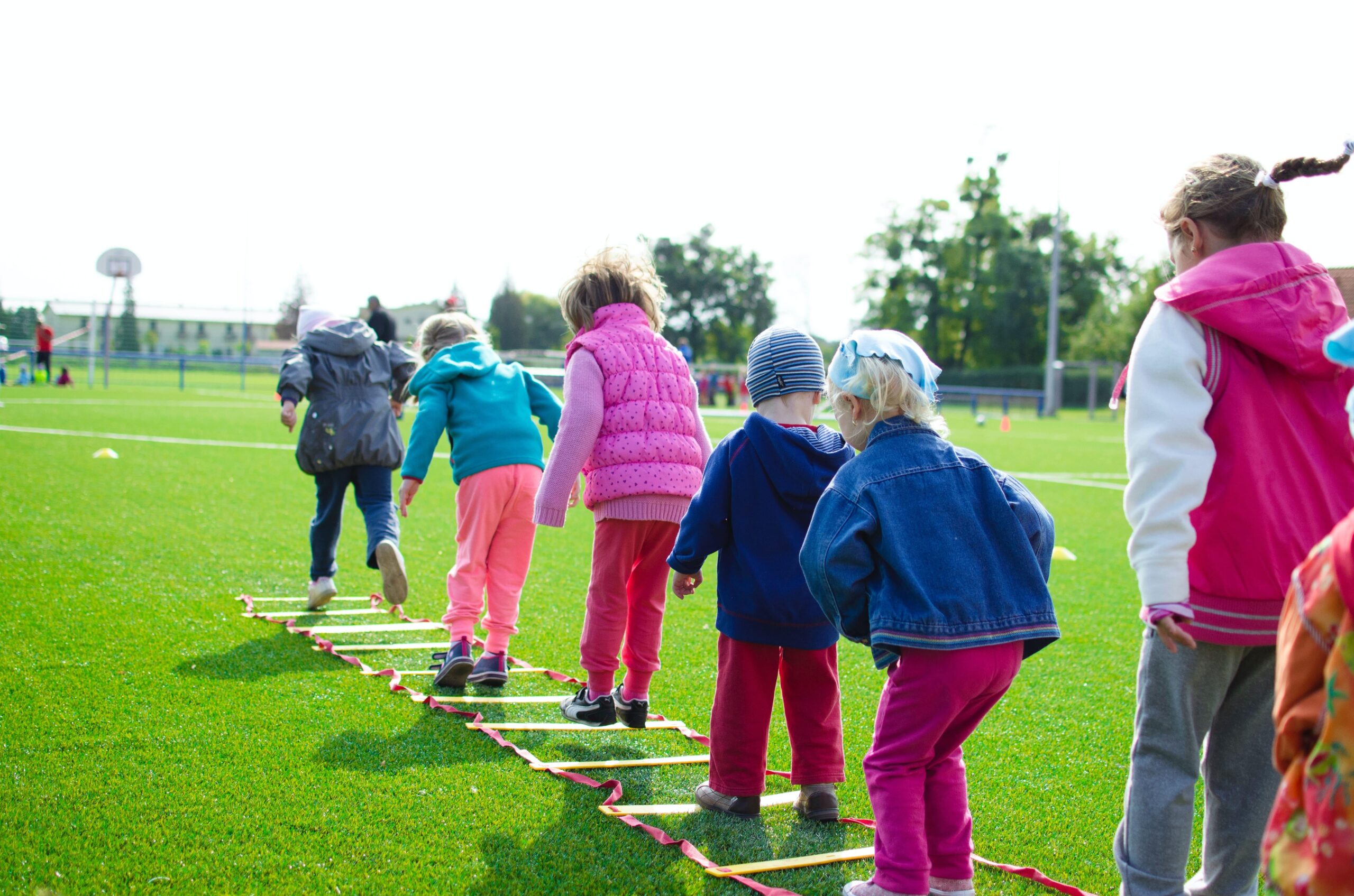
From the age of three, children need opportunities to explore their bodies. Therefore, it is important for children's nurseries to create activities and games that promote bodily expression and physical skills. For example, activities such as practicing mindfulness in classrooms, dancing to music, playing freely with balls in the garden, or doing children's yoga.
Additionally, personal autonomy is also an important topic. In preschool classes, situations should be created where children can gradually perform daily activities by themselves. In this way, as children see that they can do things on their own with minimal help, they will develop self-esteem and self-concept.
When talking about physical development, it is not enough for a child to just run or jump. It is important to distinguish between gross motor (large body movements) and fine motor (more precise movements of hands and fingers). Before the age of six, a child should find the following opportunities:
- Running, jumping, climbing, and playing in spacious areas that allow them to safely explore their surroundings.
- Playing games that require coordination of both sides of their body; for example, jumping rope, throwing and catching balls, or making balance courses.
- Engaging in activities that promote fine motor skills and hand-eye coordination, such as drawing, cutting with safe scissors, puzzles, or construction games.
- Taking advantage of suggestions that combine music and movement (singing with gestures, dancing, rhythmic games) to better integrate body schema.
These types of experiences not only enhance coordination and strength but also help prepare the child for academic learning; for example, they require a good motor foundation for writing letters or using a pencil.
Another important point is to prevent inactivity. During childhood, the body naturally demands movement. Children who sit for long hours, stay in front of screens, or do not have the opportunity to play outside often show worse physical development and less endurance for school tasks. Preschool educational institutions and families should strive to provide daily active play times; this should include both structured (psychomotricity, adapted sports) and free play.
Furthermore, physical development is directly related to independence. Simple things like being able to dress and undress on their own, wash their hands, collect their materials, or use the toilet independently are among the significant achievements that a child must practice every day at school and at home. This is not just a matter of convenience for adults: these small challenges help the child develop a safer, more resilient mind that can cope with difficulties.
Cognitive Development
Finnish children attend preschool institutions to develop their creativity and imagination and to play. All learning activities that can be done are carried out in a way that is fun, experimental, active, and engaging for children. Thus, while having fun, they acquire basic concepts through games.
Learning a language during childhood is a significant advantage. However, it is essential to be clear about which methodology will be applied with children; some educational institutions teach it in a wrong, meaningless, and rote manner. For me, the best way is through play, music, and active, daily activities where children genuinely enjoy learning a new language.
There is an ongoing debate about teaching reading before the age of six. While experts say that learning reading and writing in primary school is better, some parents and preschool education programs are trying to accelerate this learning. Personally, I agree with the experts. By first and second grade, children will have acquired sufficient skills and abilities to embark on the adventure of reading and writing.
If educational institutions and parents wish to do this earlier, it is always recommended to use fun, active, and meaningful methodologies and to respect each child's learning pace. As I mentioned earlier, forcing and rushing children on such an important subject as reading and writing is of no use. In other words, the authoritarian, outdated, and non-pedagogical slogan "letters enter with blood" should ultimately be abandoned.
Before the age of six, beyond mastering reading or written operations, what is truly important is for the child to develop a good foundation of cognitive functions that will facilitate their school learning. The following are prominent among them:
- Attention: the ability to focus on a task for an age-appropriate duration.
- Working memory: the ability to hold and process small amounts of information (for example, following three sequential instructions).
- Language: understanding and using an increasingly rich vocabulary for thinking and communicating.
- Executive functions: initiative, planning, impulse control, and mental flexibility.
Executive functions come into play when a child needs to do something new or solve a problem. While their maturity continues over the years, we can encourage these functions in childhood through simple activities:
- Simple board games that require waiting turns, following rules, and making decisions.
- Suggestions that require remembering turns (songs with steps, choreographies, games that involve repeating patterns).
- Daily challenges that require planning small actions: what do we need to go to the park, what steps do we follow to make a recipe, or what should we do to pack the bag.
In terms of first contacts with reading, writing, and mathematics, the healthiest approach is to provide children with rich experiences appropriate to their maturity:
- Introducing them to books, stories, rhymes, and songs; seeing adults read and enjoy.
- Playing with words and sounds: riddles, tongue twister games, finding words that start with a specific sound.
- Free drawing (drawing, scribbling), learning to hold the pencil, gradually recognizing their written name and some meaningful letters.
- Getting acquainted with everyday mathematics: counting objects, distributing cookies, comparing quantities, recognizing basic geometric shapes, or distinguishing between day and night.
Some educational institutions also use these ages to naturally introduce a second language. The key is for the child to be frequently and enjoyably exposed to good language models: songs, fairy tales, daily routines (greetings, farewells, gathering materials), guided symbolic play in another language... Learning languages through experience and emotion significantly enhances the child's future communication skills.
Social Development
Some people are very eager to say, "children socialize more in preschool education (they actually call it daycare)." Children do not need excessive socialization until the age of three. They should only be with their families and close family members. However, in preschool educational institutions, they learn the rules of living together when they are with their peers.
This does not stop there; through social development, communication, conversations, and of course, language are also encouraged. Perhaps preschool educational institutions and schools may not fully support social development, as there are many possibilities. In the second stage of childhood education (between four and six years old), project-based work and collaborative learning can be implemented.
Project-based activities, such as creating different story endings, conducting activities about animal species (animals living in the sky or on land), or different things done in each season, help develop friendship and respect among children. Therefore, promoting social development is much more than just having twelve children together in a classroom.
Before the age of six, school and family should help the child develop a few basic social skills that they will use throughout their life:
- Respecting routine: understanding that everything (play, meals, rest, cleaning up) has specific times and grasping that activities progress in a sequence. This provides them with emotional security and helps them to be better organized when faced with more challenging tasks.
- Learning to set boundaries and say no when they think something is not right, as well as asking an adult for help when they feel uncomfortable.
- Respecting differences: understanding that all people (appearance, culture, abilities, tastes) are different and grasping that this is not a negative thing, but a part of living together.
- Sharing and collaborating: participating in games where they need to wait their turn, lend toys, or collaborate to achieve a common goal.
To develop these skills, it is quite beneficial to use fairy tales and symbolic games that address themes such as empathy, friendship, conflicts, or inclusivity. When messages reach them through age-appropriate stories, children can adopt the value of respect and solidarity much more profoundly.
In the classroom, collaborative learning dynamics (for example, researching together about animals, preparing a small presentation, or staging a play) help them:
- Listen to others' ideas and express their own ideas.
- Resolve small conflicts with adult support.
- Feel that they are part of a group, developing a sense of belonging.
At home, it is important for adults to be a role model: setting clear boundaries, speaking respectfully, listening to the child, asking for their opinion, and validating their feelings. In this way, they learn that a good culture of living together is based on mutual respect and open communication.
Emotional Development
Starting to support children's emotional development is a fundamental issue in preschool education. Beginning to recognize their own emotions and those of their friends is very important for children's holistic development. Is this issue taken into account in preschool education institutions and schools? There is a bit of everything. However, dynamics must be created to ensure that children can recognize basic emotions.
In most preschool education programs, teaching units are designed to work on emotions and feelings. The problem is that the time allocated to this section remains at a minimum and the necessary importance is not given. Therefore, everyone must be able to recognize basic emotions before starting primary school. From this point on, they should learn to manage and understand emotions.
Emotional development is also related to self-esteem. A child who feels loved, valued, and sufficient shows more desire to learn and dares to face new challenges. Conversely, if something is expected from children that is beyond their capabilities or if they are constantly compared to others, situations like frustration, lack of self-confidence, and lack of motivation in school may arise.
Before the age of six, a child should:
- Start to name what they feel: joy, sadness, fear, anger, surprise…
- Learn simple strategies to calm down when upset (taking deep breaths, asking for a hug, going to a quiet corner).
- Recognize that others also have their own emotions and understand that their behavior can affect others.
- Experience that making mistakes is normal and accept that mistakes are part of learning.
Families can support this emotional growth by frequently talking about emotions, reading stories related to feelings, validating what the child feels, and providing non-judgmental listening spaces. Schools can also go beyond limiting this to a single teaching unit by adding daily routines (meetings, role-playing, calm corners) for emotional education.
So what do you think are the things children need to learn before the age of six that are not taught in schools? I would be happy to hear your suggestions and comments! And remember an important thing: increasing children's learning pace can lead to serious issues such as lack of motivation and school failure. Respecting play, rhythms, and providing holistic (physical, cognitive, social, and emotional) support is the best way for children to enter primary school with curiosity, confidence, and a genuine desire to learn.






















Comments
(10 Comments)