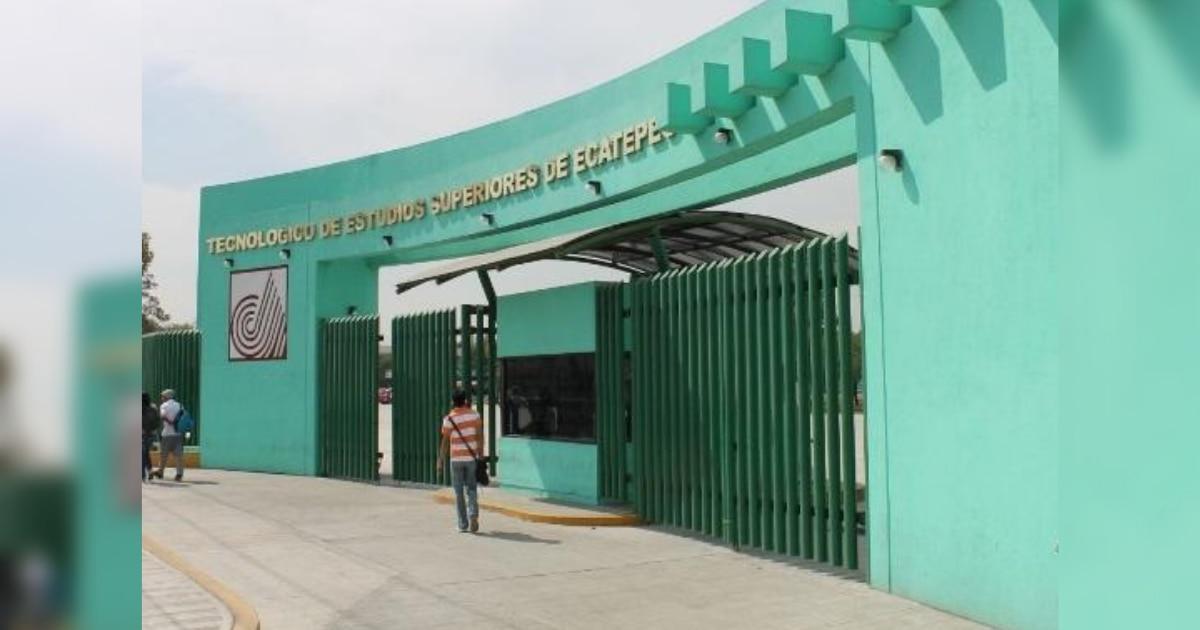
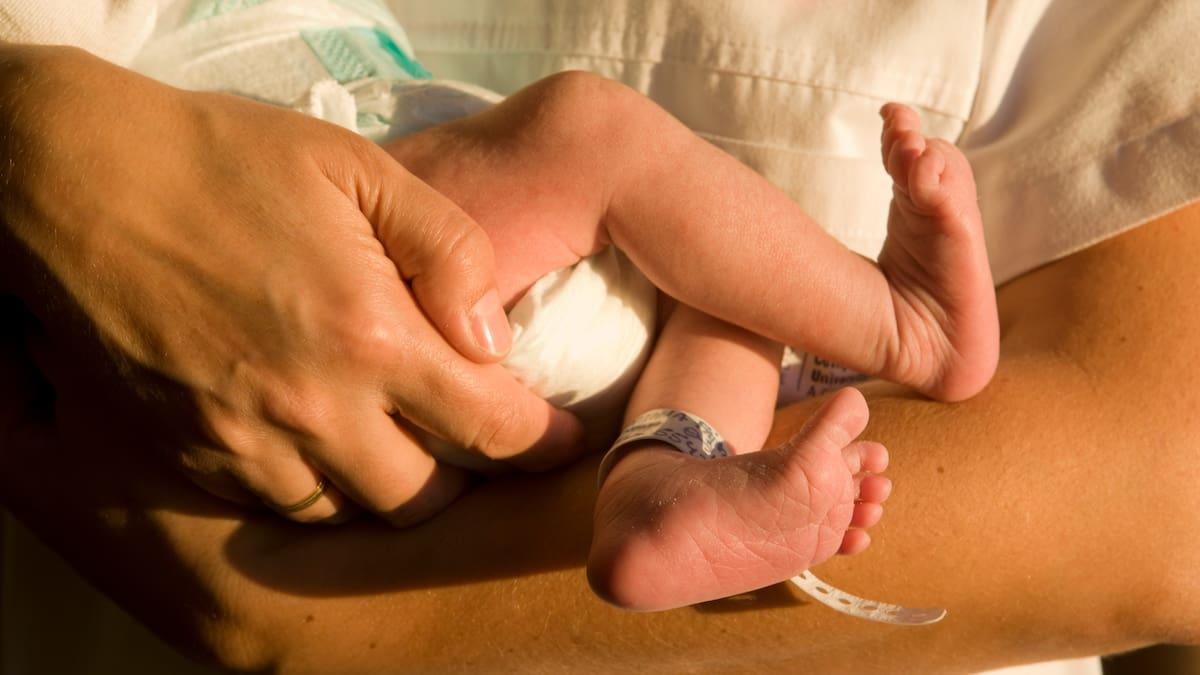
A newborn was found inside a trash can in the restrooms of the Higher Education Technology Institution (TESE) in the State of Mexico, Ecatepec. The baby, still with the umbilical cord and placenta, was rescued alive and urgently transferred to a nearby hospital, but passed away hours later due to critical health conditions.
This incident, which occurred on the morning of April 14, deeply shocked both the student community and the local population. Local authorities and the state prosecutor's office have launched an investigation to identify the person or persons involved in the abandonment and to clarify the circumstances of the birth.
Baby Found at Ecatepec Technological Education Institution
According to official initial reports, the baby was discovered around 07:00 in the morning by TESE cleaning staff while performing daily cleaning tasks in the women's restrooms. When they checked the trash can of one of the restrooms, they became aware of the baby; the baby was wrapped in toilet paper and waste materials. This situation is reminiscent of a case in Tultitlán where a baby was abandoned.
The cleaning staff immediately notified the internal security personnel, which led to the alerting of emergency services and the Ecatepec Municipal Police. The Ertzaintza is investigating a similar incident, highlighting the importance of police cooperation for such investigations.
The baby was male and was still with the umbilical cord and placenta. This indicates that the birth occurred shortly before the abandonment and was most likely done without medical supervision. Authorities do not rule out that the birth may have taken place inside or around the institution; situations such as a woman abandoning her baby in a restroom illustrate the variety of possible scenarios.
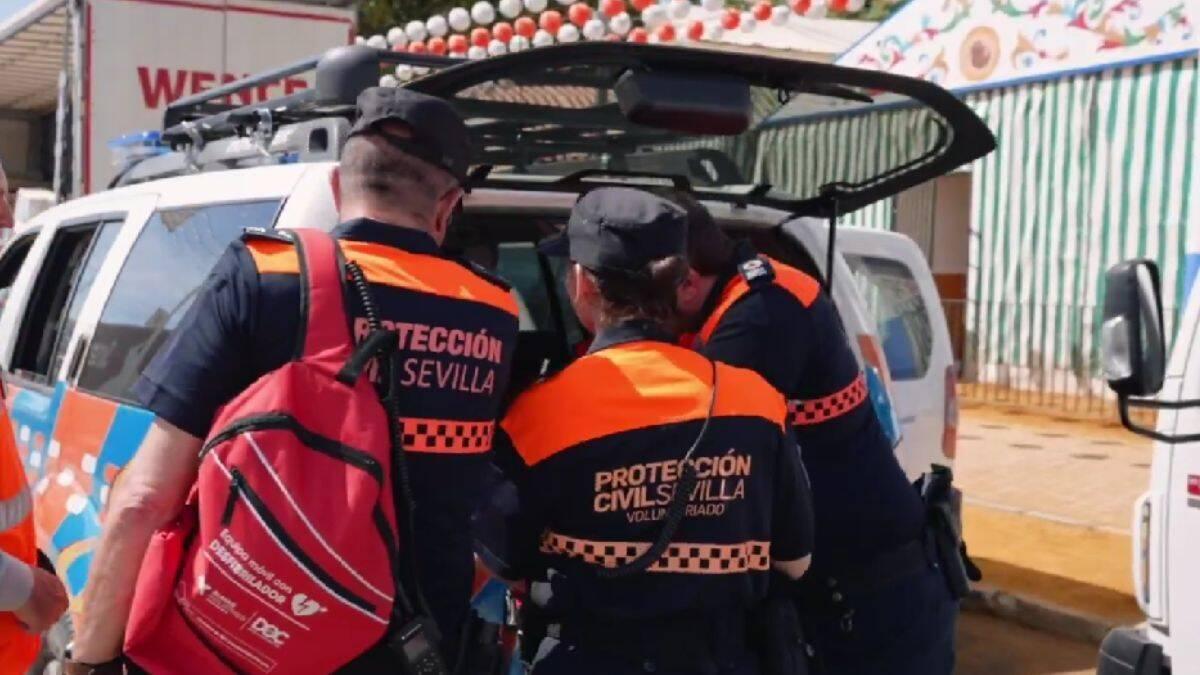
Emergency teams and municipal paramedics reportedly conducted initial assessments at the scene and performed basic stabilization maneuvers. At the same time, the Municipal Police secured the restroom area to protect possible evidence and facilitate the prosecutor's subsequent work.
Transfer to Emergency Hospital and Death
After the initial intervention at the scene, emergency services decided to immediately transfer the newborn to Dr. José María Rodríguez General Hospital. This hospital is located quite close to the Higher Education Technology Institution in Ecatepec.
The baby arrived at the emergency room in very critical condition. According to information released by health authorities, medical personnel attempted to stabilize the baby and provided special care for several hours due to complications related to the birth occurring without medical control and the conditions in which the baby was found.
Despite the doctors' efforts, the newborn's condition did not improve. At 13:05, it was confirmed that he officially died at José María Rodríguez General Hospital. Contributing factors to his death include the lack of immediate intervention after birth, exposure to inappropriate temperatures, and a lack of basic care in the first minutes of life.
When the baby died, the hospital immediately notified the General Attorney's Office of the State of Mexico (FGJEM). From that moment on, forensic and legal protocols were activated for the removal of the body and the initiation of an official investigation into the abandonment charge, similar to cases involving a couple abandoning a child in Málaga.
Response of the Educational Community and Climate of Rebellion
The incident created deep sorrow among students, faculty, and administrative staff at the Higher Education Technology Institution in Ecatepec. As news spread, expressions and demands for increased security began to emerge. Situations like the acceptability of abandoned babies in other places have led to discussions about institutional responses to such incidents.
TESE administrators issued a statement indicating their intention to fully cooperate with the prosecutor's office and local authorities. The institution announced that they would facilitate access to security cameras, access lists, and other data that could help illuminate the incident.
Students and local residents emphasized the importance of reviewing access protocols for restrooms and how to act in emergencies. While it is acknowledged that cleaning and security personnel responded quickly when a baby was found, many are questioning how a newborn could have reached a trash bin.
While messages of sadness and denial regarding the outcome of the incident circulated on social media, calls were made for strengthening sexual education, access to birth control methods, and providing support to disadvantaged women; aiming to prevent similar incidents from recurring.
Prosecutor's Investigation: Investigation of the Mother and Possible Responsible Parties
Following the confirmation of the newborn's death, the State Attorney General's Office of Mexico reported that a case file had been opened for abandonment charges and stated that additional charges could be added as investigations progress.
Authorities are focusing their initial steps on analyzing the security cameras around TESE, aiming to identify the person who may have brought the baby to the institution or given birth within the facility.
While the possibility that the expectant mother could be a student or university staff member is not dismissed, this hypothesis has not been officially confirmed at this time. Prosecutor's investigators have begun collecting witness statements from faculty members, administrative staff, cleaning personnel, and students present at the institution during the incident.
Additionally, there is collaboration with the health sector to monitor possible medical interventions related to recent pregnancies and to determine the newborn's lifespan, birth conditions, and injuries prior to abandonment.
The prosecutor's office stated that no information is currently being shared regarding the mother's identity or specific suspects and that this information is kept confidential to avoid hindering the investigation. However, it was reiterated that all available resources would be used to clarify the incident, including the examination of cameras in the urban environment.
Context of the Ecatepec Higher Education Technology Institution
The Ecatepec Higher Education Technology Institution is a public higher education institution located on Carlos Hank González Avenue, in the Valle de Anáhuac colony. Its proximity to the Ecatepec station on the Metro's Line B has made it a reference point for thousands of students coming from various points in the State of Mexico every day.
TESE offers engineering programs such as Chemistry, Biochemistry, Electronics, Mechanics, Industrial, Computer Systems, Information Technologies, Mechatronics, Business Management, and Aviation, as well as bachelor's degrees and various graduate and master's programs in economic-administrative fields.
The number of students and staff coming to campus every day poses a challenge in terms of security and access control. Following the newborn incident, both authorities and the educational community emphasized the need to review security and emergency response protocols, especially in restrooms and less frequently used areas.
The incident has also brought to light the role of universities and higher education institutions in early detection of unwanted or solitary pregnancy risk situations; it also highlights the importance of providing psychological and social support channels to students.
Discussions on Abandonment of Newborns and Child Protection
Beyond this tragic event in Ecatepec, the situation has rekindled concerns about the abandonment of babies in public or private spaces in various regions of Mexico. Although it does not always make headlines, authorities acknowledge that this is a phenomenon that consistently appears in police and health statistics.
Recent reports have documented cases where newborns were found in public areas, in plastic bags, or in the toilets of businesses; some of these resulted in death, while in others, the lives of the babies were saved thanks to quick citizen intervention or the assistance of emergency services.
Organizations working in the field of child and reproductive health emphasize the importance of addressing such situations from a broad perspective; they state that comprehensive sexual education, real access to healthcare services, and support for women in environments of violence or bullying must be provided. They also highlight the necessity of strengthening institutional networks for detection and support.
In Europe and Spain, discussions have sometimes focused on the implementation or review of mechanisms such as "anonymous cradles" or safe surrender sites in places where abandoned baby cases have been recorded; this has always been accompanied by a highly regulated legal framework and social services. While the situation in Mexico is different, some experts suggest that examining international experiences could be useful for evaluating tools that can be adapted to local realities.
The death of a newborn in Ecatepec reveals the lack of prevention and support for at-risk potential mothers; however, it also demonstrates the ability of emergency services to act as quickly as possible in an extremely adverse scenario. The progress of the investigation and potential criminal liabilities will determine the next steps; society will once again have to question how children are protected and what real support is provided to women experiencing unwanted or solitary pregnancies.
































Comments
(7 Comments)