
One of the biggest problems of this century is obesity. Especially childhood obesity is a public health issue that concerns health authorities worldwide.
Although childhood obesity is generally associated with more developed countries, it is actually a global problem. In developing countries, particularly in urban areas, this issue is becoming increasingly widespread due to the shift away from traditional eating patterns and a more sedentary lifestyle.
Being obese in childhood significantly increases the likelihood of being obese in adulthood. This situation raises the risk of diseases such as type 2 diabetes, hypertension, cardiovascular diseases, sleep disorders, and joint problems appearing at an earlier age, and it also brings psychological and social effects.
This issue is so concerning that the World Health Organization (WHO) has established a special commission to end childhood obesity: in 2016, it published a report containing key lines of action aimed at stopping this serious problem. These lines of action include measures such as promoting breastfeeding, improving the school food environment, increasing physical activity, and regulating advertising aimed at children.
What Are the Causes?
The increase in childhood obesity is due to social and lifestyle changes that have occurred in recent years. This is not only related to what the child eats but also involves many factors surrounding their daily life.
Changes in Nutrition
On one hand, the traditional Mediterranean diet, rich in fruits, vegetables, legumes, whole grains, olive oil, and fish, is being abandoned. Instead, a less healthy dietary model is taking its place.
This new model is based on ultra-processed, high-energy foods. These foods are rich in unhealthy fats, added sugars, and salt, but are quite poor in essential nutrients such as vitamins, minerals, and fiber. These are types known as fast foods or “junk food.”
Frequently, industrially produced pastries, snacks, candies, or sugary products are used as snacks for children, instead of offering fruits, natural nuts, or a simple sandwich. This is because these processed products are more practical, more accessible, and generally more appealing to children.
Lack of time, working hours, and sometimes the low prices of certain options lead to a greater preference for ready-made foods and fast food chains over traditional cuisine. Additionally, many of these products contain trans fats, refined flours, and high amounts of sugar, which promote weight gain.
An Increasingly Sedentary Lifestyle
At the same time, the amount of physical activity we engage in is decreasing. Especially children have developed many completely sedentary leisure activities and have become dependent on new technologies.
After spending hours at school and in extracurricular activities, instead of going to the park or playing outside, they often spend time watching television, playing on tablets, or playing video games at home. This significantly reduces daily energy expenditure.
Moreover, many homes have televisions, video game consoles, or computers in children's rooms, which causes children to spend more time sitting and disrupts their sleep patterns. This situation is directly related to the risk of obesity.
Other Contributing Factors
The primary cause of overweight and obesity is the imbalance between calories consumed and calories expended, but many factors play a role in this imbalance:
- Individual Factors: eating habits, level of physical activity, sleep hours, screen time, emotional management, and hunger.
- Family Factors: types of food purchased, cooking methods, adults serving as role models, eating habits, presence of television during dinner, availability of sweets or soft drinks at home.
- Environment and Context: possibility of walking to school, presence of safe parks and areas, availability of active leisure activities or inactivity, presence of advertisements for sugary products, vending machines and menus regarding school policies.
Therefore, childhood obesity is a multifactorial issue. Although there is a genetic influence, the nutrition and physical activity environment plays a significant role, and we can act effectively in this area.
Can a Solution Be Found?
Health organizations recommend taking action at many levels to stop childhood obesity: from public policies to those at home and school.
WHO suggests that governments develop comprehensive strategies. These strategies include:
- Promotion of breastfeeding, exclusive feeding in the first months and then alongside other foods.
- Improvement of the school food environment: monitoring of products sold in cafeterias, canteens, and vending machines; increasing the availability of fruits, vegetables, and water.
- Encouragement of daily physical activity during childhood, with quality physical education, active play areas, and extracurricular activities.
- Restriction of unhealthy food and beverage advertising aimed at children, especially for products high in sugar, fat, and salt.
- Review of taxes and labeling, to not promote the consumption of sugary drinks and ultra-processed foods, and to help families better identify sugar and fat content.
What Can We Do at Home?
Of course. The direct responsibility for our children's good nutrition and maintaining active habits lies with the family. While the environment can be influential, daily decisions are made at home.
Teaching healthy habits from early years is the best preventive strategy. This includes reasonably promoting both nutrition and physical activity, sleep hygiene, and screen use.
Nutrition: What and How to Eat Every Day?
Eating 5 meals a day helps keep blood sugar and insulin levels more stable and prevents "hunger crises." Ideally, three main meals and two healthy snacks is best.
Don't skip breakfast. This is an important meal for children as well. Research shows that many children with obesity issues do not have breakfast or have it very inadequately. This situation is associated with the risk of excess weight and a decrease in school performance. A proper breakfast should include one of these groups: fresh fruit, unprocessed dairy products, and whole grains or bread.
For morning snacks and between meals, always prefer simple and nutritious options: whole fruit, a simple sandwich with healthy ingredients (fresh cheese, hummus, quality turkey breast, water, or tuna in olive oil) or a handful of natural nuts for older children. Since sandwich bread often contains more sugar and additives than it appears, it's better to choose whole grain or regular bread.
If children eat at home, don't base the menus solely on pasta or rice, no matter how much they love them. While these foods are valid, other foods such as legumes, vegetables, fish, and light meals should be offered in rotation. Legumes provide quality protein, fiber, and satiety and help with weight control.
Children need to have dinner every day, but not everything is acceptable. Dinner is a good time to include healthy options such as homemade vegetable soups, soups, fish, eggs, salad, or steamed vegetables. Avoid making dinner a time for overly fatty or highly processed foods.
Ways to Make Meals Healthier
The cooking method has a direct impact on calories and diet quality. Prefer grilling, steaming, baking, or cooking in its own juices. These techniques better preserve nutrients and require less fat. Avoid fried foods and breaded dishes; these can be made occasionally, but not on a daily basis.
If children eat at school, request the weekly menu. Check that the menu includes a variety of meals, vegetables, legumes, and fish and use this information to supplement your home diet (for example, if little fish is served at school, offer more fish at dinner or on weekends).
Preferably use whole grains (whole wheat bread, whole wheat pasta, oats) instead of refined flours, as they provide more fiber and increase the feeling of fullness. You can also offer small amounts of unsalted and sugar-free nuts (hazelnuts, walnuts, almonds) at an appropriate age; these are a source of healthy omega 3 and 6 fats.
Avoid trans fats and other low-quality fats found in many processed foods, industrial products, and fast food. Minimize the amount of fatty deli products and highly processed meats, as these often contain high levels of salt.
Consciously reduce the amount of free sugars. This includes visible sugar (sugar added to milk or yogurt) and hidden sugar (cookies, breakfast cereals, sugary drinks, packaged fruit juices, milkshakes, milk desserts, commercial sauces, or pastries). It is a good reference to try to keep added sugar consumption for children below 25 grams per day; this can be achieved by avoiding these products and prioritizing fresh foods.
Table Habits and Nutrition Education
Table routines and the environment during meals are as influential as the type of food. Try to ensure that meals are prepared together with the family whenever possible.
Eating together, without screens and distractions (no television, phones, or tablets) encourages children to eat calmly, pay attention to hunger and fullness signals, and learn to enjoy their meals. This is a good time for conversation, strengthening bonds, and listening to how the day went.
Explain to them, in age-appropriate language, why good nutrition is important. Help them distinguish between foods they can consume daily (fruits, vegetables, legumes, water, natural nuts, whole grain bread) and foods that should be reserved for special occasions (sodas, candies, pastries, fast food).
Offer portions suitable for children's needs. The plate should always be full, or they should not be forced to finish if they are full. The better approach is to offer reasonable portions and allow them to take more if they are still hungry; avoid using food as a reward or punishment.
Sometimes allow them to have a controlled treat. Instead of completely banning candies, pizza, or ice creams, indicate that these products should not be part of the daily routine and should be consumed at specific and planned times.
Physical Activity and Less Sedentary Behavior
WHO is clear: children should be physically active every day. The general recommendation is to engage in at least 60 minutes of moderate to vigorous physical activity daily; this should be appropriate for their age and development. Additionally, they are advised to minimize the time spent sitting.
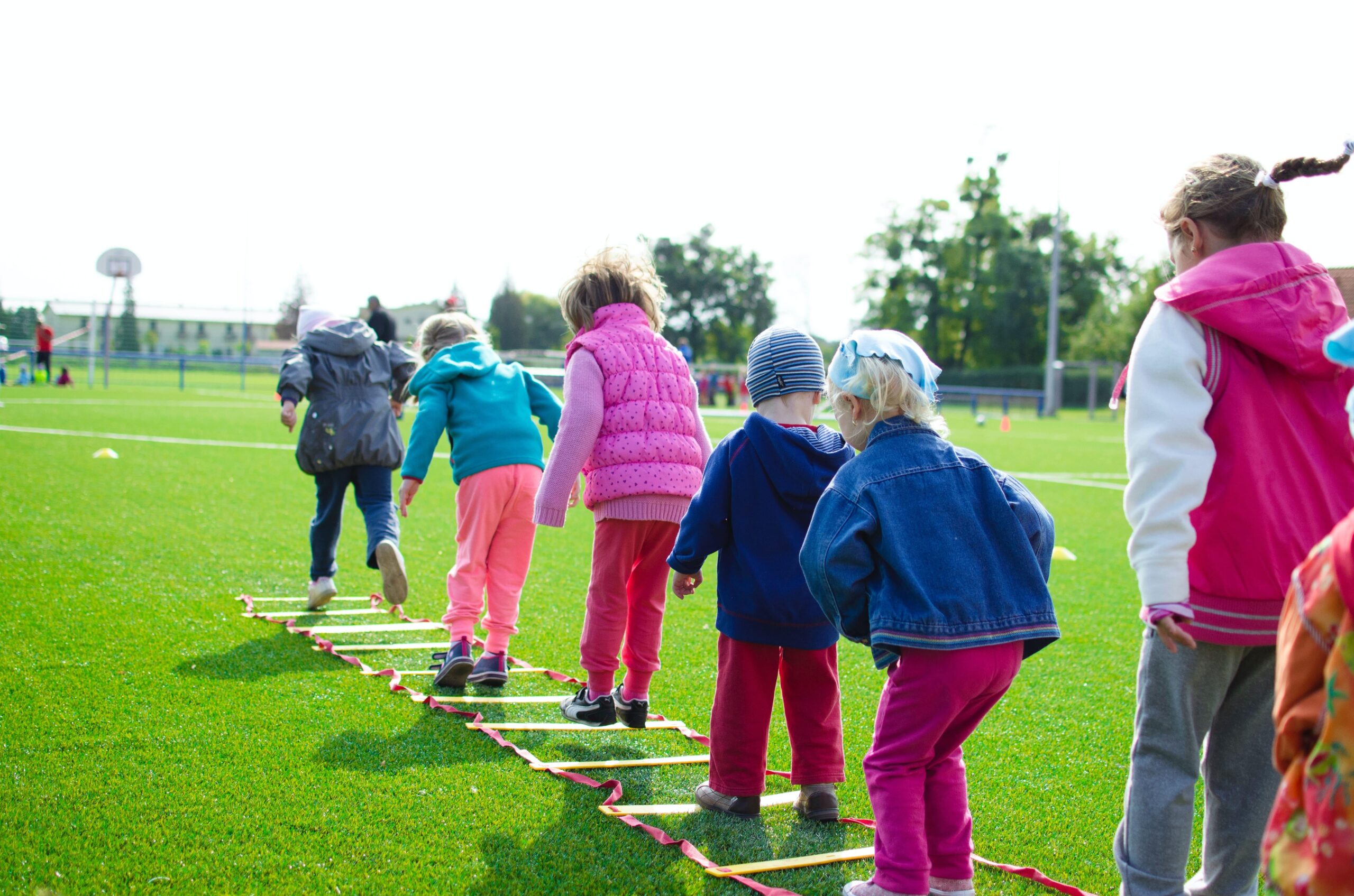
You do not have to enroll them in a gym. There are many simple ways to add movement to their daily routines: walking or biking to school if possible, using the stairs instead of the elevator, helping with household chores that require movement, playing in the park after school.
If they are older, they can engage in a sports activity: team sports, martial arts, swimming, dancing, skating, hiking, or any discipline that motivates them. The important thing is that they experience exercise as something fun and see it as a natural part of their lifestyle; not as a punishment for being overweight.
Additionally, it is important to limit sedentary leisure activities; such as video games, television, phones, or tablets. It is beneficial to set a daily screen time within the family and provide active leisure alternatives at home and outdoors.
Other Important Habits: Sleep and Family Organization
Sleep is another key element in preventing childhood obesity. Not getting enough sleep is associated with an increased risk of excess weight, as it disrupts hormones that affect appetite, leading the child to eat more and move less.
It is recommended to establish regular sleep hours, develop a calm routine before bedtime (screen-free and with dim lighting), and ensure the child sleeps an age-appropriate number of hours. Good rest also improves school performance and mood.
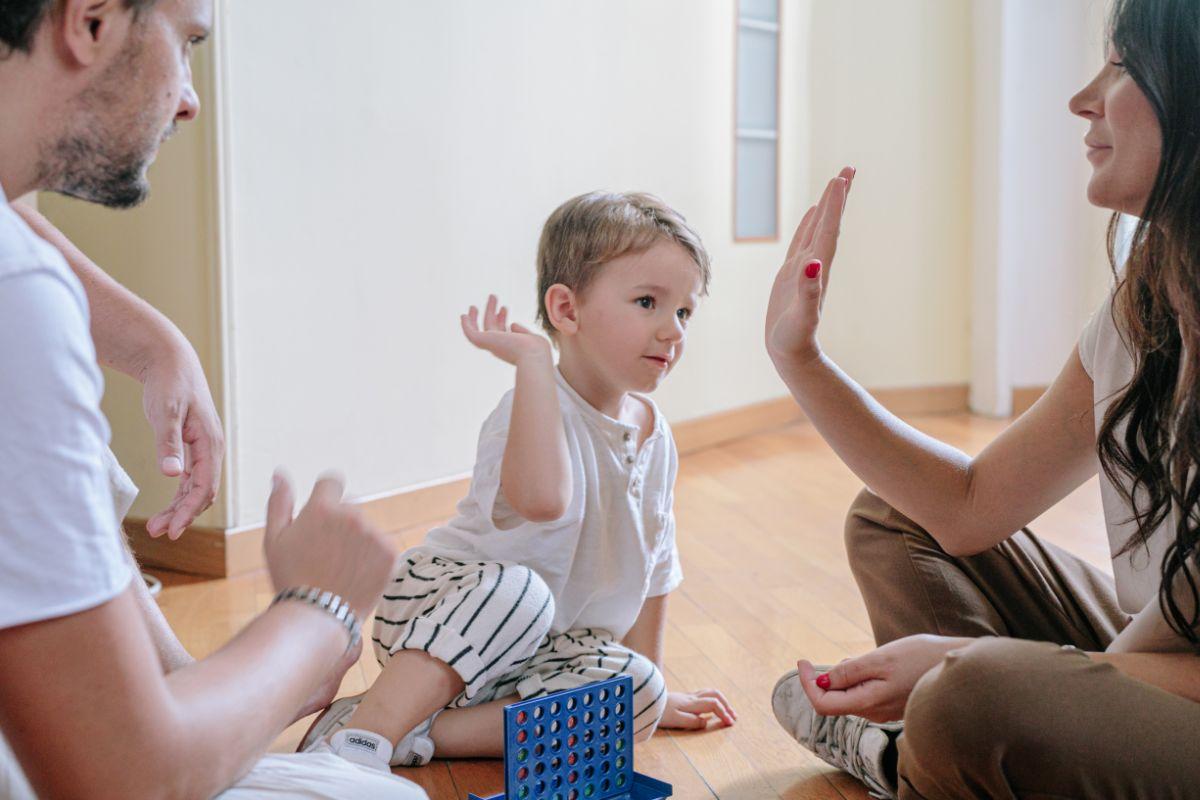
From a family perspective, involving all members in decisions related to nutrition and physical activity is very helpful: making a shopping list together, determining the weekly menu, cooking meals as a family, or planning active leisure activities.
Warning Signs and What to Do If There Is Excess Weight?
A formal diagnosis should be made by a specialist, but you can observe some early warning signs at home:
- Rapid weight gain in a short time that does not coincide with growth in height.
- Clothes becoming tight quickly.
- Frequent eating outside of meal times or constant consumption of unhealthy snacks.
- Very low physical activity or systematic refusal to move and play.
- Difficulty sleeping, heavy snoring, or non-restorative sleep.
- Knee, ankle, or back pain complaints without a clear reason.
If you observe these features, it is recommended to consult a pediatrician or a pediatric endocrinologist; so that the child's growth and habits can be evaluated. In childhood, the goal is not always to “follow a strict diet”; instead, it is important to improve habits and balance the child's weight while they grow taller.
If there is already excess weight, the most effective strategy is often to make gradual changes across the entire family:
- Increase the quality of the foods offered (fresher, less processed).
- Gradually increase daily physical activity, starting with small changes.
- Establish regular meal and sleep times, avoiding eating in front of screens.
- Provide emotional support, avoiding negative comments about weight and labels like “fat” or “lazy.”
And remember, you are the best example. Your daily decisions regarding shopping, cooking, eating, and moving create a model for children. Make your family an active family: go for walks together, visit the park, play, do a sport together, or just move more at home and outdoors.
Starting today, establishing a balanced nutrition routine, regular physical activity, good rest, and less screen time not only prevents childhood obesity but also lays the foundation for a healthier adult life; this reduces the risk of disease and enhances physical and emotional well-being.







































Comments
(7 Comments)