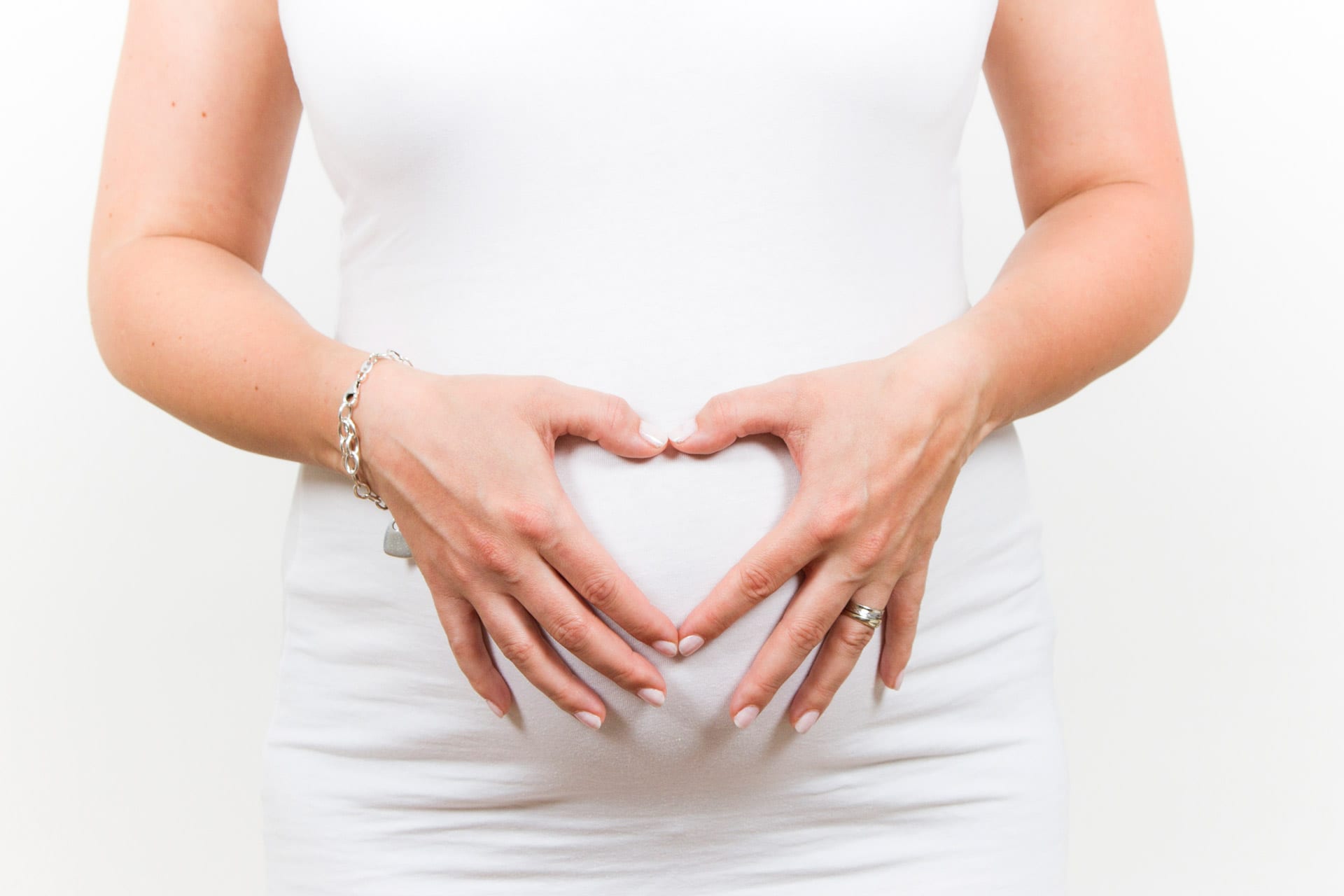
Today we enter the 23rd week of pregnancy. This week, the baby weighs about 500 grams and is about 28 centimeters long, how much it has grown, right? The mother may experience typical discomforts of the second trimester, but by the time she notices, she will have crossed the threshold into the third trimester. This little creature is still undergoing changes, and if you could see it, its proportions are quite balanced and its appearance increasingly resembles that of a newborn baby.
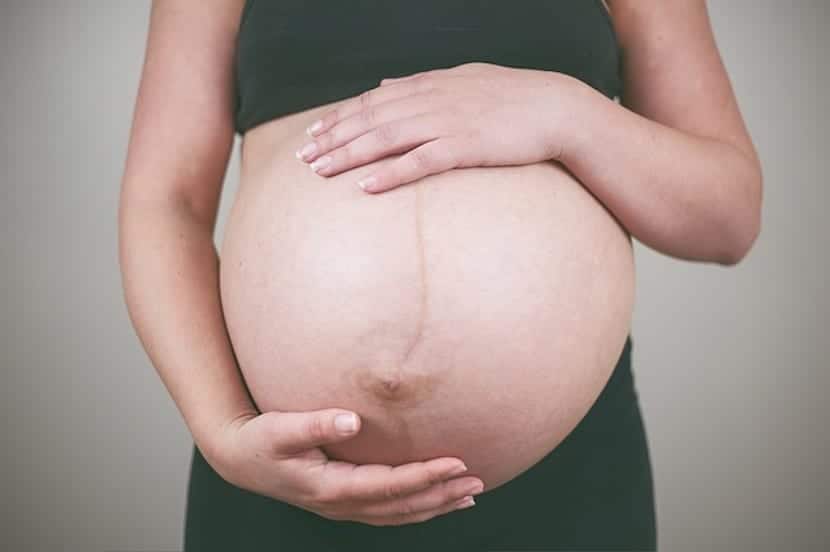
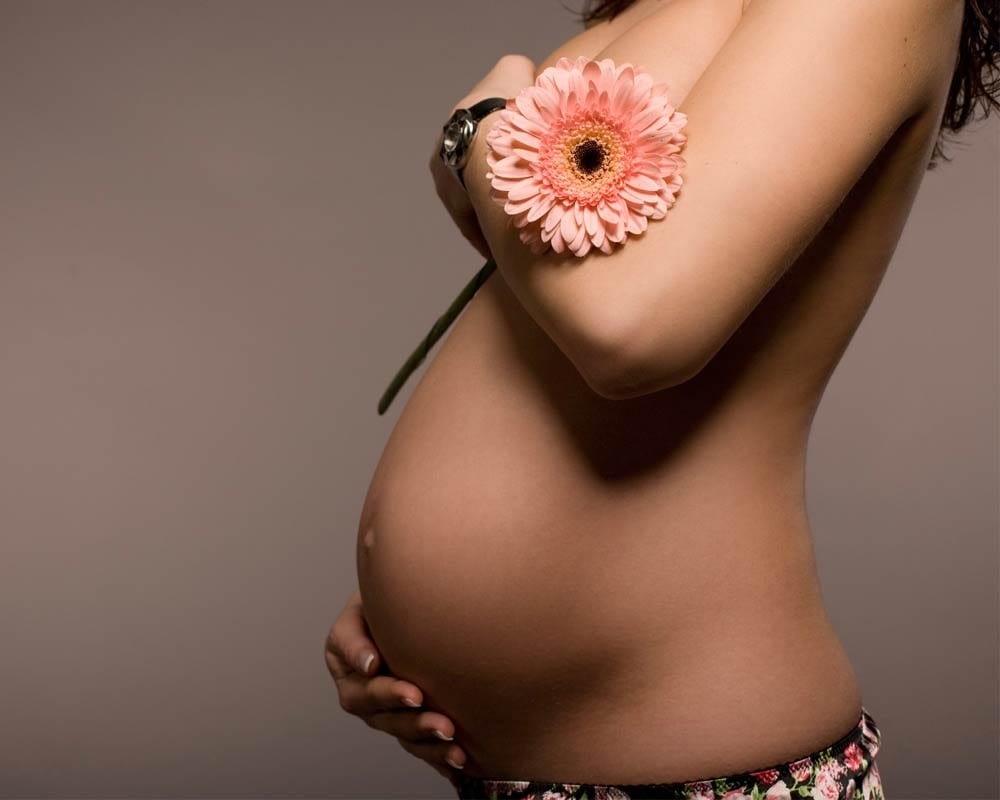
The mother's body is also slowly changing. She is no longer that radiant woman who felt great during the first few weeks of pregnancy; now she is still happy, her belly has become round and pronounced (and even more is to come). Interestingly, the visibility of pregnancy makes many mothers feel strong and confident, making them feel capable of being pregnant... Of course, there are some minor discomforts as well, such as having to loosen the waistband of maternity pants and adjust her clothes to the new volume.
In the 22nd week, we emphasized that your face is taking shape, and now we can add that the baby's skin has started to gain pigmentation (except for the iris); this skin, although still wrinkled, will begin to become smoother in the coming weeks, coinciding with the increase in the baby's size and the accumulation of fat deposits under the skin.
How is Development in the Baby at 23 Weeks?
Pregnancy is an exciting and transformative period for both the mother and the developing baby. The 23rd week of pregnancy is part of the sixth month and the second trimester; at this stage, fetal growth is quite rapid.
This week, the baby's size resembles an ear of corn or an eggplant. By the end of the 23rd week, the baby is typically 27-29 cm long (including the legs) and weighs about 500 grams, but there are normal variations in every pregnancy.
The baby's skin is gaining more color and is becoming thicker and more opaque. Fat is accumulating both on the surface and under the skin; this is a fundamental process for losing its wrinkled appearance in the coming weeks and for better temperature regulation after birth. However, the final color of the skin will become apparent after birth and during the first few months.
This week, lanugo (fine hair) has covered almost the entire body of the baby and is tending to darken. Additionally, the baby has hair on its head and eyebrows and eyelashes have formed, making it increasingly recognizable.
Around the 23rd week, the baby's hearing system is rapidly developing. The pregnant woman may notice that the baby responds to loud noises (it may move more or startle) and familiar sounds. Your voice, your partner's voice, or soft music can become pleasant stimuli; so it's a good time to talk, sing, or read to it every day.
On the other hand, the baby's internal organs, such as the lungs and digestive system, continue to mature. At this stage, the lungs are not yet functional for breathing air, but alveoli are forming that will facilitate gas exchange after birth. Still, the baby is still “breathing” through the umbilical cord, which allows for the transport of oxygen and the removal of carbon dioxide.
The baby spends a large part of its time sleeping, and it is thought to be in a stage similar to REM sleep about 80% of the time; during this stage, the brain is quite active. Between sleeps, it engages in a real “exercise routine” by moving its hands, feet, arms, and legs; this is felt as kicks, turns, and small jumps by you.
Changes in the Mother at 23 Weeks
As Nati mentioned last week, there is a relatively calm time for tests regarding the mother. This is a time to enjoy the pregnancy and rest as much as possible. If you have other children and the youngest is under 7 or 8 years old (or if they are all very young), we recommend seeking support at certain times so you can take time for yourself. Being with family, friends, or support networks can make a big difference in your well-being.
At this stage, many women have gained about 5 to 7 kilos since the beginning of pregnancy. The belly continues to grow, and the uterus expands to about belly button level. This growth can create a sensation of stretching on the sides and a feeling of weight in the lower back and pelvic area.
Swelling (edema) in the ankles, bleeding gums... while these may seem minor compared to the joy of motherhood, they create daily discomfort. If you haven't seen a dentist, you shouldn't postpone it, as the gums are more sensitive and the risk of inflammation is higher due to hormonal changes. When you lie down, support venous return by keeping your feet elevated and relieve swelling in your legs.
In general, symptoms such as fatigue, mild back pain, leg cramps, a feeling of muscle tension in the lower abdomen, and the appearance of darker spots or stretch marks on the skin are common. All of these are related to weight gain, changes in the center of gravity, and the hormonal fluctuations of this trimester.
Many pregnant women are now clearly feeling baby movements on a daily basis, which provides reassurance and strengthens the bond. Your healthcare professional may recommend tracking these movements (i.e., “kick counts”) in the coming weeks so you can better understand your baby's activity pattern.
Common Symptoms in Week 23
Every pregnancy is different, and therefore some women may experience more discomfort than others. However, common symptoms in the 23rd week of pregnancy include:
- Menstrual-like pain or a cramping sensation in the lower abdomen, caused by the stretching of the uterine ligaments and muscles.
- Leg cramps, especially at night, related to weight gain and pressure on nerves and muscles.
- Back pain, resulting from changes in the center of gravity and overloading of the back muscles.
- Reflux, gas, or heavy digestion, as the growing uterus compresses abdominal organs.
- Fatigue and interrupted sleep, sometimes due to difficulty finding a comfortable position.
- Sensitivity and bleeding of the gums, which requires good oral hygiene and regular check-ups.
If the pains are severe, accompanied by vaginal bleeding, fever, blurred vision, sudden swelling, or any other concerning symptoms, it is very important to contact your healthcare professional immediately so they can rule out complications such as preeclampsia or premature birth.
Physical Activity, Rest, and Sleep Position
Don’t forget the importance of physical activity. Daily 30-minute walks or low-impact activities like swimming or prenatal yoga are usually sufficient to improve circulation, reduce cramps, and alleviate back discomfort, as long as there are no medical contraindications.
It may become increasingly difficult to rest more. Sleeping on your left side is recommended, as it increases blood flow to the placenta and improves venous return. You can relieve pressure by placing a pillow between your knees or under your lower abdomen to find a more comfortable position.
If you experience insomnia or frequent awakenings, establishing a relaxing routine before bed can help: a warm bath, quiet reading, deep breathing, or soft music. Avoid using sleep medication without professional supervision.
Nutrition, Fluid Intake, and Salt Control
Good nutrition is still very important in the 23rd week. Having several meals a day, and consuming essential foods such as vegetables, fruits, whole grains, legumes, and quality animal proteins (lean meats, eggs, pregnancy-safe fish) is recommended. These groups provide the necessary energy and nutrients for you and your baby.
Monitor your salt intake. It is easy to exceed the daily recommended amount when consuming canned, snack, pre-cooked products, or processed meats. You don’t need to eliminate it completely, as sodium is necessary for maintaining fluid balance in the body, but reducing highly salty foods is beneficial to minimize the risk of edema and hypertension. If you have any doubts, consult your doctor or midwife.
It is also very important to prevent food poisoning, as this can be dangerous for the baby. Here are some recommendations to ensure this:
- Avoid raw or undercooked seafood and eggs.
- Wash fruits and vegetables well before consumption.
- Cook meat and fish properly and avoid processed meats that will be consumed without heating.
- Maintain good hygiene in your kitchen: wash hands, utensils, and surfaces.
Fluid intake is another essential element: regularly drinking water helps maintain adequate amniotic fluid volume, improves circulation, prevents constipation, and reduces the risk of urinary tract infections.
Emotional Self-Care and Partner Support
In the 23rd week, alongside your physical condition, excitement, fatigue, doubts, and a degree of anxiety about the future can mix. Maintaining your emotional health is as important as maintaining your nutrition. Taking time for yourself, practicing relaxation or deep breathing techniques, and sharing your feelings with your partner, family, or friends can help you experience this period more peacefully.
It is highly recommended for your partner to actively participate in the process: going to prenatal check-ups together, planning the baby's room, attending birth preparation classes, or simply doing fun activities together before the baby arrives. All of these strengthen the bond between couples and help prepare you for parenthood.
This stage of pregnancy is a balancing point between the beginning and the end: the baby is growing rapidly, you are feeling its movements more and more, and despite new discomforts arising, you have the opportunity to get organized, ask for help, and build a network that will support you for the remainder of your pregnancy.






















Comments
(0 Comments)