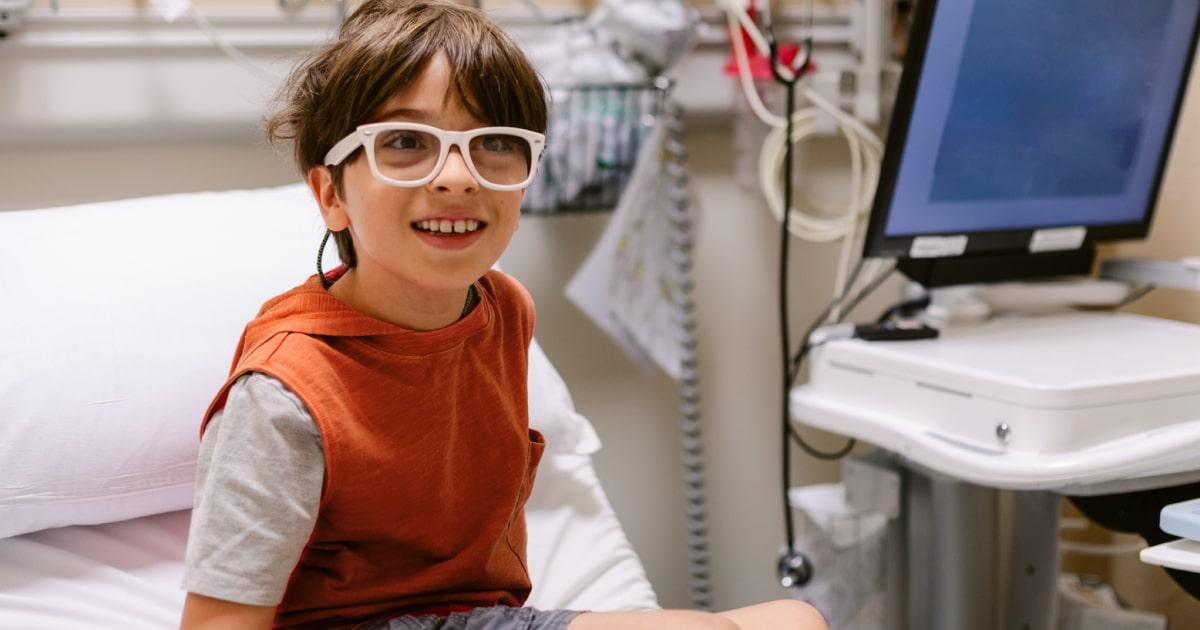
In children, rare diseases affect millions of people, yet they remain a significant unknown for many families. When a pediatrician raises the possibility of a "rare disease," it often initiates months or years of uncertainty, medical tests, and searches for information, which can be overwhelming.
In this article, you will find a clear and comprehensive explanation of what rare diseases are, how they are diagnosed, what symptoms they may present, the role of neurorehabilitation teams, and why family associations are so important. All of this will be addressed with a focus on childhood and the experiences of specialized organizations like Fundació Aspace Catalunya.
What Are Rare Diseases and How Common Are They?
When we talk about rare diseases or rare pathologies, we refer to diseases with a very low prevalence in the population. In Europe and Spain, these are diseases that affect at most 1 in 2,000 people. This definition comes from international systematic reviews analyzing how these terms are used in different countries.
Although the number of people affected by each specific disease is small, the total of all rare diseases represents a significant figure. In Spain, according to the Spanish Federation of Rare Diseases (FEDER), it is estimated that there are approximately three million people with such a diagnosis. Across Europe, it is estimated that about 40 out of every 10,000 people live with a rare disease; this actually shows that when considered together, these diseases are not so exceptional.
The group of rare diseases has an extremely heterogeneous structure in terms of causes, symptoms, and prognoses. It includes many diseases, from congenital metabolic disorders to complex genetic syndromes, from neuromuscular diseases to immunological pathologies or disorders in brain development. Each has its own unique characteristics, which necessitates a highly individualized approach.
An important fact is that approximately 80% of these diseases have a genetic origin. This means they are caused by changes in one or more genes or chromosomal abnormalities. In recent years, significant advances in genetics and genomics (including exome analysis and other more complex techniques) have allowed for the identification of new genes associated with rare diseases and, in many cases, have reduced the time to reach a diagnosis.
Still, there are cases referred to as undiagnosed diseases: children who exhibit symptoms clearly indicating something is wrong, yet no specific genetic or clinical cause matching a defined picture can be found. For these families, the process can be particularly challenging, as they have no "name" to hold onto and no clear guide for follow-up.
Challenges and Difficulties in Diagnosing Rare Diseases
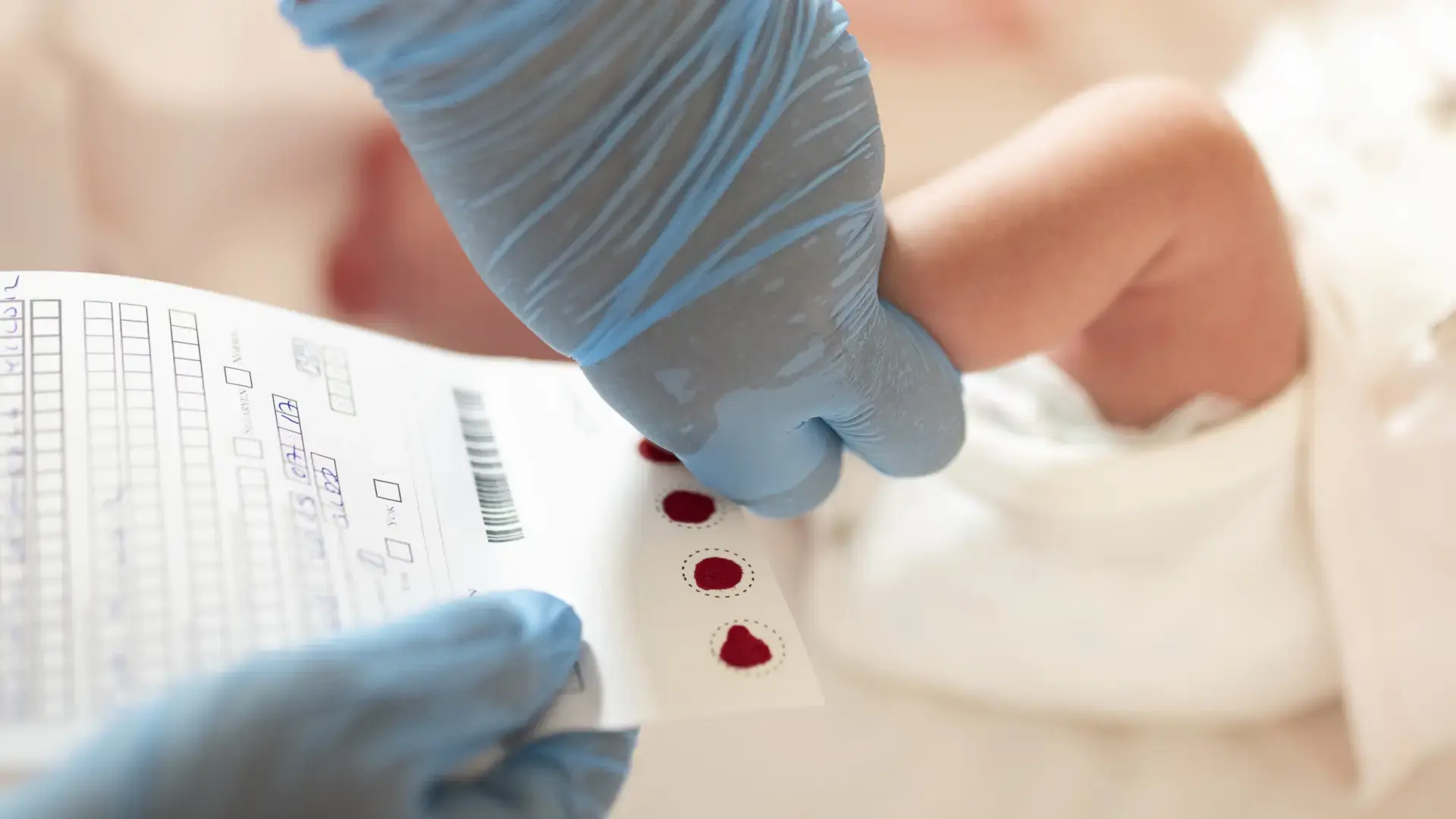
One of the most complex features of these pathologies is that the diagnosis is often long and complicated. A real "clinical puzzle" is required for many children, involving multiple medical specialties and necessitating a long follow-up period to name the disease.
The diagnostic process can take several years from the onset of the first symptoms and sometimes may never result in a definitive label. Reasons for this include the extreme rarity of many diseases, their potential to present differently in each individual, and in some cases, their insufficient definition in the scientific literature.
Recent studies on the diagnosis of rare and undiagnosed diseases indicate, as researchers like Marwaha, Knowles, and Ashley have pointed out, that it often requires "going beyond the exome." This means that a combination of various advanced genetic tests, laboratory functional studies, imaging analyses, and a detailed review of medical history may be necessary to reach a definitive diagnosis.
This difficulty has a very direct impact on the lives of families. Throughout the process, there are often feelings of uncertainty, disappointment, and even loneliness, as they cannot always find clear information or references from similar situations. At the same time, many children undergo therapies and treatments that are often ineffective because the underlying cause is not well understood.
An additional issue is the delay in access to certain resources, clinical trials, or adapted neurorehabilitation programs due to lack of diagnosis or late diagnosis; this can be crucial in improving functional prognosis and quality of life in many cases.
Common Symptoms of Rare Diseases in Children
It is difficult to talk about "typical symptoms" in rare diseases because there is a very large and diverse group involved. Nevertheless, certain patterns that relatively frequently recur and affect different systems of the body can be identified. The same rare disease can present many different symptoms such as cardiac, ocular, renal, pulmonary, digestive, and dermatological symptoms.
More than half of these pathologies show some form of neurological impact. In childhood, this can manifest as intellectual disability, epilepsy, movement disorders (such as stiffness, involuntary movements, or coordination problems), and significant behavioral disorders. Sometimes, learning difficulties, speech delays, attention issues, or behaviors similar to autism spectrum disorder are added.
In practice, parents often consult about symptoms such as their child's inability to reach developmental milestones at the expected pace (delays in sitting, walking, or speaking), experiencing seizures, having muscle tone issues (either too stiff or too "soft"), or exhibiting very irregular behaviors that are difficult to manage in daily life.
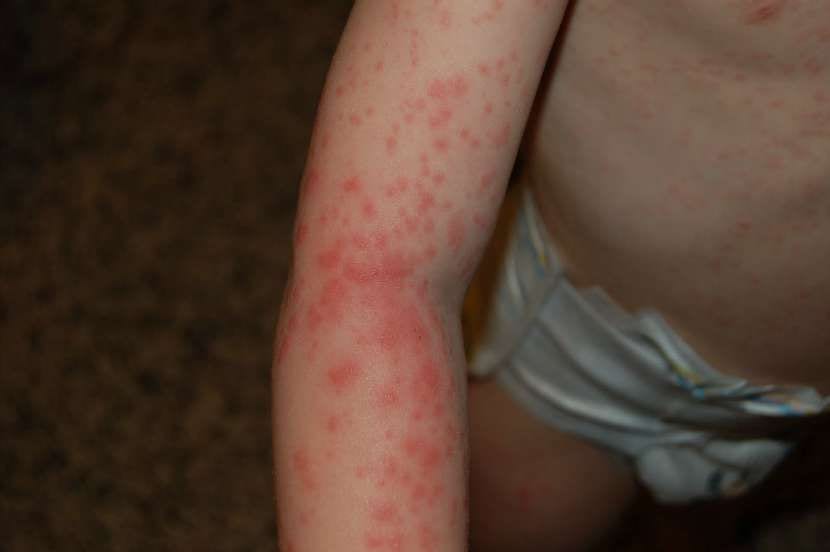
In addition to neurological issues, persistent digestive symptoms (frequent vomiting, poor weight gain, intolerances), recurrent respiratory problems, visual or hearing impairments, very distinct skin lesions or sores, and cardiac problems requiring close monitoring may also arise.
The combination of such different symptoms necessitates that the approach is always multidisciplinary. Often, a single specialist is not sufficient, and it is common for pediatricians, pediatric neurologists, cardiologists, nephrologists, pulmonologists, geneticists, and other professionals, as well as therapy and rehabilitation teams, to be involved.
Impact on Quality of Life and Associated Costs
The lack of specific treatments for most rare diseases poses a significant challenge for both families and professionals. Often, despite being necessary, symptomatic or supportive therapies are resorted to, and these therapies do not always provide the expected improvement. This situation can create significant economic costs and also lead to considerable emotional strain.
Trying different approaches, adjusting medications, or having to change treatments means more spending on consultations, tests, and travel. In addition, in many cases, there is an indirect cost of one parent needing to reduce working hours or leave their job to care for the child.
On an emotional level, living with a child's rare disease requires a heavy psychological burden. There is not only concern about the future but also the necessity of taking on a "health manager" role: coordinating appointments, gathering reports, seeking reliable information, encouraging referrals to specialists, and sometimes advocating for the child's rights with management.
For all these reasons, families need not only healthcare but also community support, psychological guidance, and companionship services. The network of social, educational, and rehabilitation resources plays a critical role here, especially for children with intellectual disabilities or significant support needs.
The Importance of Multidisciplinary Teams and International Registries
Considering the complexity of rare diseases, broad and well-coordinated health teams are needed. The presence of a pediatrician alone is not sufficient; teams accustomed to dealing with complex cases from different medical specialties, genetic services, rehabilitation, specialized nursing, and especially neurorehabilitation are required.
In recent years, there have been international efforts to create registries for patients with rare diseases. These registries ensure that there are enough cases to conduct robust studies, clinical trials, or develop clinical practice guidelines by bringing together children and adults with rare diagnoses from different countries.
Thanks to these registries, it is possible to design follow-up and treatment protocols more appropriately, identify prognostic factors, and in some cases, accelerate the development of targeted therapies. For patients and their families, participating in these projects can mean accessing treatment options they would not otherwise have and feeling a sense of contribution to the advancement of knowledge.
At the same time, many hospital units and specialized centers are forming rare disease committees to jointly review complex cases and make collective decisions regarding tests, differential diagnoses, and intervention plans. This working method enhances the quality of healthcare and reduces the risk of missing important data.
The Key Role of Families and Patient Associations
Families are, in practice, the greatest experts in the daily lives of these diseases. Their role is not limited to care; it also involves detailed observation of symptoms, identifying changes, and seeking resources. All of this helps health professionals better understand each situation.
Naturally, many families connect with each other to form patient associations or groups. These organizations are of great importance: they bring visibility to the disease, share realistic information about symptoms, organize educational activities, and advocate for the promotion of specific lines of research.
Through associations, a very valuable sharing of experiences is provided. Mothers and fathers can learn from those who have experienced similar situations, perhaps discover resources (assistance, specialized centers, school adaptations) they did not know before, and feel that they are not alone. Additionally, these organizations often serve as a bridge between families and health professionals, facilitating participation in research or projects aimed at improving healthcare.
At a professional level, collaboration with associations has ensured that scientists, doctors, and therapists have more precise information about the long-term evolution of many rare diseases. The detailed descriptions provided by families help clarify clinical pictures and sometimes identify symptoms that may be overlooked in examinations.
As a result, without the support of families and their associations, scientific progress and holistic care in this field would be much slower. Their participation is a true engine of change in diagnoses, treatments, and public policies related to rare childhood diseases.
Rare Diseases with Neurological and Neurodevelopmental Origins
Within the broad framework of rare diseases, those that have a significant impact on the central nervous system and neurodevelopment are very important. In childhood, this manifests as cognitive, motor, communication, and behavioral regulation difficulties, often requiring intensive and sustained support.
Fundació Aspace Catalunya is an example of a center specialized in such conditions. In its daily operations, it treats children with complex neurological disorders, many of which are associated with rare diseases. They particularly focus on patients with intellectual disabilities, motor disorders (such as spasticity, dystonias, or coordination deficits), and behavioral or learning disorders.
In these situations, there may be a very distinct name for the underlying condition (a genetic syndrome, a metabolic disease, epileptic encephalopathy, etc.), but the real challenge is how it affects the child's functionality: what they can do by themselves, what supports they need to communicate, how they relate to others, and which stimulation and rehabilitation strategies would be most beneficial.
The complexity of these neurological conditions requires an intensive, sustained, and highly individualized approach. There is no "one-size-fits-all prescription" because, even if they share the same diagnosis, the levels of impairment in two children can vary greatly. Therefore, intervention plans are designed for each case, adapting to the reality of each family and the prioritized goals accepted at each stage.
Organization of Neurorehabilitation and Care at Aspace Catalunya
A family's first contact with Fundació Aspace Catalunya usually begins with the initial outpatient examination. In this initial assessment, neurology or pediatric neurology specialists work together with a rehabilitation doctor. The aim is to gather all relevant information, review previous reports, and start identifying the child's core challenges and needs.
After this joint assessment, a personalized intervention proposal is prepared. Since rare diseases have a wide variety of symptoms, therapies are carefully tailored to the specific challenges of each individual: in one case, motor problems may be predominant, in another, communication difficulties, and in yet another, the main challenge may be behavioral disorders.
The neurorehabilitation team at Aspace Catalunya consists of professionals from many disciplines. Among them are speech therapists, physiotherapists, occupational therapists, psychiatrists, psychologists, and other specialists who work in close coordination. This combination of profiles allows for a comprehensive approach to both physical and cognitive, emotional, and social aspects.
For example, in physiotherapy, the focus is on posture control, increasing strength and mobility, and preventing musculoskeletal complications or deformities. In occupational therapy, independence in daily living activities (dressing, eating, hygiene, use of assistive devices) is encouraged, while speech therapy focuses on verbal or alternative communication, swallowing, and language.
In child psychology and psychiatry, emotional and behavioral disorders are addressed, and families are assisted in finding strategies to cope with difficult situations at home and in the school environment. All these efforts are carried out in coordination with schools and other relevant health or social resources whenever possible.
Daily Life of Families and Need for Social Support
Living with a child's rare disease requires reorganizing many aspects of daily life. Families often have to balance medical appointments, therapy sessions, administrative tasks, and household routines, turning this into almost a second job in practice.
The role of the mother, father, and primary caregivers is vital. They are the ones who best know what things help and what disrupts, the signals that predict a crisis or deterioration, and the adaptations that facilitate their involvement in the environment. This practical knowledge accumulates over time and is a key piece for designing realistic intervention plans.
At the same time, families need spaces where they can express their fears, doubts, and emotions. This is not just about receiving technical information; it is also about feeling that there is a social and professional support network behind them. Psychological support services, peer support groups, and resources to assist in managing processes such as disability, addiction, and grants make a difference.
Therefore, the importance of health and social systems working in a coordinated and sensitive manner to the reality of these families is emphasized. Having reference professionals, clear care pathways, and good communication between different services ensures that the burdens are not solely placed on the caregivers' shoulders.
In this context, specialized organizations like Fundació Aspace Catalunya, patient associations, and public resources can create stable support networks that support children and their families throughout the entire process from the moment of diagnosis (even before) to the transition to adulthood.
In summary, rare diseases in children represent significant health, social, and emotional challenges; however, scientific advancements, the organization of multidisciplinary teams, and the encouragement of families create an area where significant changes are achieved. Better understanding their genetic origins, improving diagnostic processes, strengthening neurorehabilitation, and providing unwavering support to those caring for these children are necessary steps to ensure that every child and girl, regardless of the name of their illness, has the opportunity to maximize their abilities and benefit from a better quality of life.















Comments
(1 Comment)