Sant Jordi Day, a day synonymous with books, roses, and crowded streets in Catalonia, left an unexpected story on the C-16 highway this year. Amid the usual traffic, a family experienced one of the most intense moments of their lives: the birth of their child, which took place on the roadside with the emergency intervention of the Mossos d’Esquadra.
A routine journey to a hospital turned into an emergency birth near Castellbell i el Vilar. The coordinated efforts of the officials, the Emergency System (SEM), and traffic services ensured that both the mother and baby emerged safely from such a delicate and unusual situation.
The Journey to the Hospital Becomes Challenging on C-16
A woman from Casserres, a resident of Berguedà, felt that the birth was accelerating while she was traveling with her husband to Sant Joan de Déu Hospital in Barcelona. Along the C-16 highway, also known as Eix del Llobregat, her water broke, and the contractions became so intense that it became clear they would not reach the hospital in time.
On the same route, there was a Prison Area Mossos d’Esquadra patrol heading towards Barcelona. The officers were transporting an inmate from Lledoners prison to Bellvitge Hospital. There were three officers and the detainee in the vehicle; they were accustomed to intervening during transport but not to assisting in a birth.
As they approached the toll booth, a car sped past the patrol vehicle. Then, the driver pulled over to the side of the road, stopped the vehicle, and activated the emergency signals. The man attempted to attract the attention of the Mossos by waving his arms excitedly and shouting "help!"
Initially, the officers thought it might be a heart attack or another emergency that could occur on the road. However, when they approached the vehicle, the father explained to them that his wife was about to give birth and needed urgent assistance because the baby was on the way.
Decision: To Deliver the Baby on the Side of the Road
One officer focused on properly marking the road for the safety of other drivers, while the other patrol members concentrated on the mother. When they checked the inside of the vehicle, they saw that the woman was showing clear signs that the birth would occur within minutes: her water had broken, and she was experiencing frequent and intense contractions.
The initial intention of the Mossos was to guide the private vehicle to the hospital, but the pregnant woman clearly stated that there was no time left to continue on the road. She indicated that the baby was coming and could not wait any longer. At that moment, the priority became to deliver the baby on the side of the road, ensuring everyone's safety to the highest degree.
The officers immediately called the Emergency System (SEM), detailing their location on the C-16 and the emergency birth situation. The SEM center quickly dispatched an ambulance and requested additional information to direct health professionals.
Meanwhile, the Mossos focused on calming the couple, providing the mother with basic breathing instructions while trying to organize the space inside the vehicle. Since the vehicle was quite cramped, the father's role became critical: due to space constraints, he stood by the mother to physically assist her and followed the officers' instructions.
Following the police's instructions, the father helped his wife undress from the waist down and described what he saw out loud: the baby was already starting to emerge, and with each contraction, the newborn's head was becoming visibly apparent. With these instructions, the patrol continued to guide the birthing process while waiting for the medical personnel to arrive.
A Quick Birth in Castellbell i el Vilar
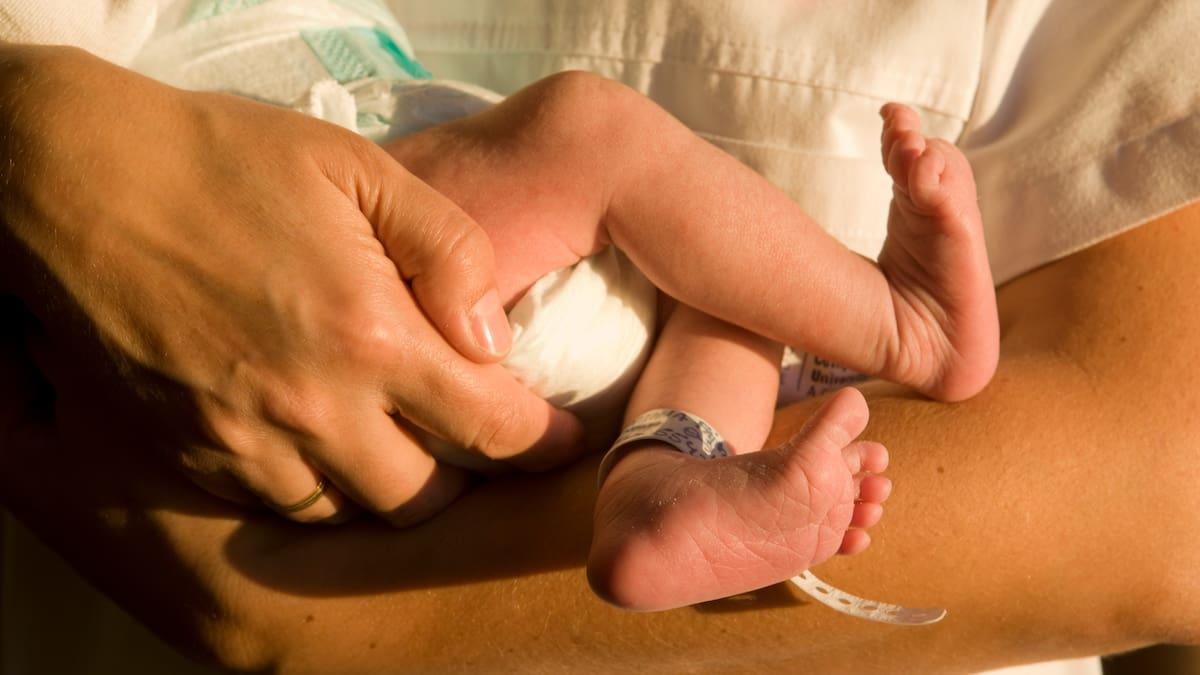
The birth progressed faster than everyone expected. According to the officers later, the baby was born in just six or seven minutes after checking the woman's condition. When the baby came out, it immediately started crying, which was a great source of relief for both the parents and the Mossos witnessing the scene.
Although the officers, some of whom had their own fatherhood experiences, had witnessed births in family settings, they admitted that witnessing a birth on the highway caused anxiety. The possibilities of complications such as the umbilical cord wrapping around, the baby having difficulty breathing, or the mother bleeding were unsettling for them. However, it appeared that both the pregnant woman and the newborn were developing positively after the birth.
During the birth, a highway maintenance team also arrived at the scene to help direct traffic for safety, attempting to reduce risks by closing the affected lane. Shortly after, a traffic patrol from Mossos d’Esquadra and a security unit (USC) arrived to strengthen security measures on the C-16 and secured the area where the baby was born.
The SEM ambulance then arrived to complete the healthcare service. Professionals checked the condition of the mother and newborn at the roadside and confirmed that vital signs were correct and there were no immediate complications after the birth. After stabilizing them, they took them into the ambulance and transported them to the hospital.
Eventually, the woman and baby were transferred to Sant Joan de Déu Hospital in Manresa, where they remained under observation and medical follow-up. The Ministry of the Interior and Mossos d’Esquadra reported that both were in good health after the birth.
A Baby Named Àreu and the Heroes' Reaction
Mossos d’Esquadra announced the intervention through their official X social media accounts, emphasizing that thanks to the collaboration with the Traffic and Security Units, the mother and child arrived at the hospital "safe and sound." The Regional Ministry and the Ministry of the Interior also shared the news, revealing a piece of information that many curious individuals were waiting for: the name of the newborn.
The baby was baptized with the name Àreu; this name quickly spread across social media and Catalan media outlets. The story drew attention not only because of the location of the birth but also because it coincided with Sant Jordi Day; this date is already quite symbolic for many families in Catalonia.
The officers involved in the incident later recounted how they experienced those tense moments. The police officer in the vehicle initially thought they were facing a heart attack or some other sudden emergency, but after speaking with the father and seeing that the mother was inside the vehicle, they realized that the birth was very advanced. One Mossos officer stated that despite having first aid training, there was always a fear that things could get complicated and a concern about not being able to respond quickly enough.
An interesting detail was the reaction of the prisoner in the police vehicle. According to the officers, he was a calm prisoner and had learned about the situation during the operation. He was informed that the transport needed to be stopped due to an unavoidable medical emergency and, without showing any signs of discomfort, he was happy about the birth. One Mossos officer humorously noted that the prisoner was "quite a good man" and celebrated the arrival of little Àreu.
This incident also provided an opportunity to remind that security services and emergency teams play an important role not only in situations limited to strict citizen safety. In this case, the prison patrol had to instantly adapt its mission to prioritize the mother and baby's lives; this is not part of their daily routine, but it can occur at any time on the road.
Mossos' History with Out-of-Hospital Births
This is not the first case where Mossos d’Esquadra has been involved in out-of-hospital births. In the past, they have experienced similar situations in different contexts. One recalled incident involved two officers from the Ciutat Vella police station in Barcelona being alerted by a taxi driver carrying a woman about to give birth.
At that time, the incident occurred at the Hospital del Mar entrance in Barcelona. The pregnant woman arrived at the hospital by taxi, but the birth progressed so quickly that there was no time to wait for medical personnel. The officers had to directly participate in the birth procedures to ensure the safest delivery possible.
Such situations demonstrate that births in emergencies are not merely isolated incidents, even if they are rare. They can occur sometimes at hospital entrances and sometimes on intercity roads like the C-16, involving various services: local police, traffic, ambulances, road maintenance teams, and even citizens present at the scene.
Protocols in Europe generally include similar guidelines for out-of-hospital births: ensuring the safety of the environment, activating medical services as quickly as possible, assessing the condition of the mother and fetus, and deciding whether it is appropriate to continue with transportation. In practice, this decision is made within seconds and depends on factors such as how far along the birth is, the frequency of contractions, and the overall condition of the pregnant woman.
In the case on the C-16, all elements indicated that the birth would happen immediately, so the decision to stop the vehicle and assist the mother by the roadside was critical. The rapid arrival of the SEM and support from other units ensured that the situation was resolved without serious issues, resulting in a happy ending to a potentially very dangerous situation.
The incident on the Terrassa-Manresa highway reflects this reality: drivers experiencing a birth happening faster than expected, police officers adapting their work on the spot, and coordinated emergency services ensuring both the mother and baby safely reached the hospital. In this case, Sant Jordi Day added Àreu's birth by the C-16 roadside to the list of special stories; a moment the family will easily remember and a situation that highlights the ability to respond to unforeseen emergencies on the roads of Catalonia.


























Comments
(2 Comments)