While traveling on the plane, we usually hear the announcement “fasten your seatbelts and return your seat to the upright position”, but no one thinks that a birth could begin thousands of meters high immediately afterward. However, as a passenger began to experience labor pains, the aircraft cabin suddenly transformed into a delivery room.
A routine journey between two cities ended with a birth story in the air, teamwork, and composure. As the plane entered its descent maneuver, two paramedics among the passengers took charge of the situation and helped deliver a healthy baby girl, while the cabin crew rearranged seats and the aisle to create a temporary area.
An Early Journey for Birth in the Air
The hero of this story is Ashley Blair, a pregnant passenger traveling to Oregon to be with her mother for the birth. She boarded a flight operated by Delta Air Lines between Atlanta and Portland, hoping to arrive with enough time for her daughter's birth.
However, plans changed during the journey, reminding her of the warnings against unnecessary travel during pregnancy. About 30 minutes before landing at Portland International Airport, Blair began to feel regular and increasingly intense contractions. What initially seemed like a simple discomfort quickly transformed into a clear labor process.
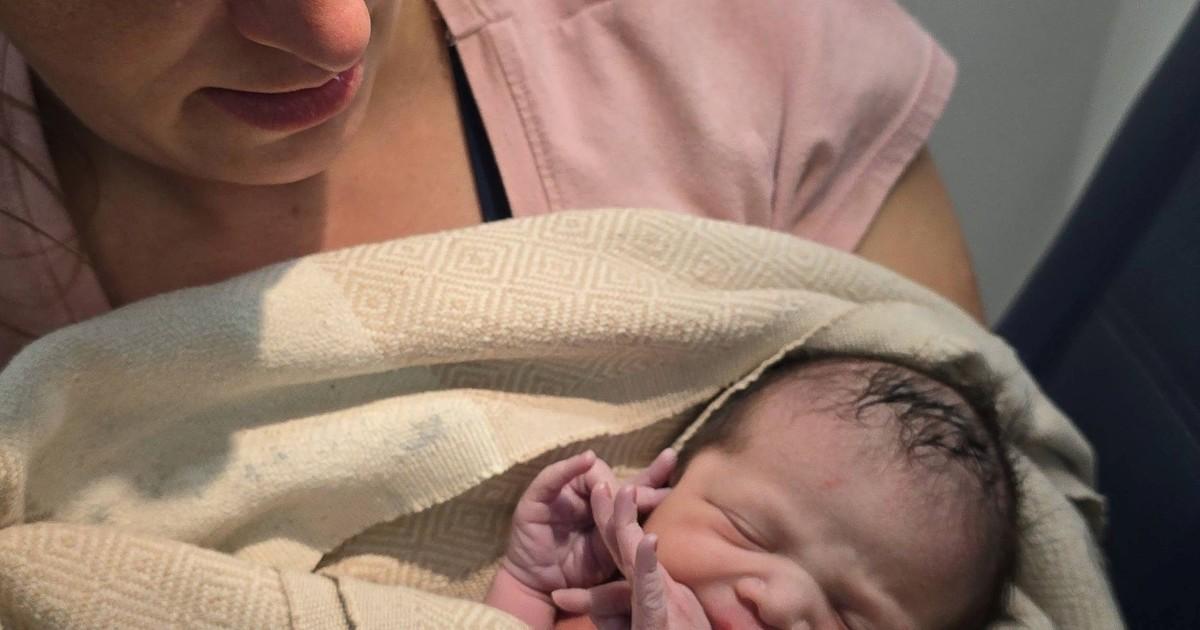
The baby was named Brielle Renee Blair, and the birth occurred approximately two weeks earlier than expected. Weighing about 2.5 kilograms (just over 5 pounds), the baby was born as the plane descended.
The flight had been in the air for about five hours and was full with 153 passengers, none of whom knew that another passenger would be added before the plane landed. In a short time, the journey turned into an urgent birth scene.
The Team's Response and the Key Role of Two Paramedics
While other passengers tried to remain calm, the cabin crew received a warning that a pregnant woman in the back was not well. When a flight attendant checked the situation, she realized that this was not a temporary discomfort but that labor was approaching.
At this point, Tina Fritz and Kaarin Powell, two paramedics returning from vacation in the Dominican Republic, stepped in. Initially, they were collaborating with a nurse who was assisting another passenger, but Blair's emergency required a redistribution of efforts.
The flight attendant asked Fritz and Powell to assess the condition of the expectant mother. A few moments were enough to confirm the situation: the contractions were regular and frequent, and labor had begun. The cabin was crowded, and space was limited, so the priority was to clear an area around her.
The team needed to create a “safe area” for the birth by relocating passengers in nearby rows and clearing seats and the aisle. Meanwhile, the aircraft continued its course toward Portland, and diverting to another airport was not a realistic option.
Birth in the Air: Improvised with Blankets and Shoelaces
When the paramedics requested an obstetric kit, which is sterile equipment used for delivery, they encountered an additional problem: there was no special equipment for birth on the plane. They had to improvise with the materials available.
Thanks to the cooperation of the passengers, they gathered several blankets to protect the delivery area and keep the newborn warm and received advice on newborn care. The next challenge was how they would handle the umbilical cord without appropriate medical instruments.
A flight attendant provided a shoelace for them to use as a ligature, and Powell removed her shoelace to establish an intravenous line. While doing all this, they tried to ensure the best possible hygiene conditions in such an unprepared environment.
Meanwhile, Blair was expressing the inevitable. According to Fritz's later account, the mother shouted, “Okay, I need to push now”, and it was clear that the birth would not wait for the plane to approach the gate. Coordination with the team became even more complex.
The flight attendants insisted that everyone sit down and fasten their seatbelts because the plane was about to land. However, the paramedics resisted intervening at this critical moment because they knew the baby’s birth was imminent. The landing maneuver and the birth were progressing almost simultaneously.
Birth Moments Just Minutes Before Landing
As the plane began its descent toward Portland, Blair made three particularly effective pushes, which Fritz later recalled. In a short time, despite the limitations of the environment, the baby was born quickly.
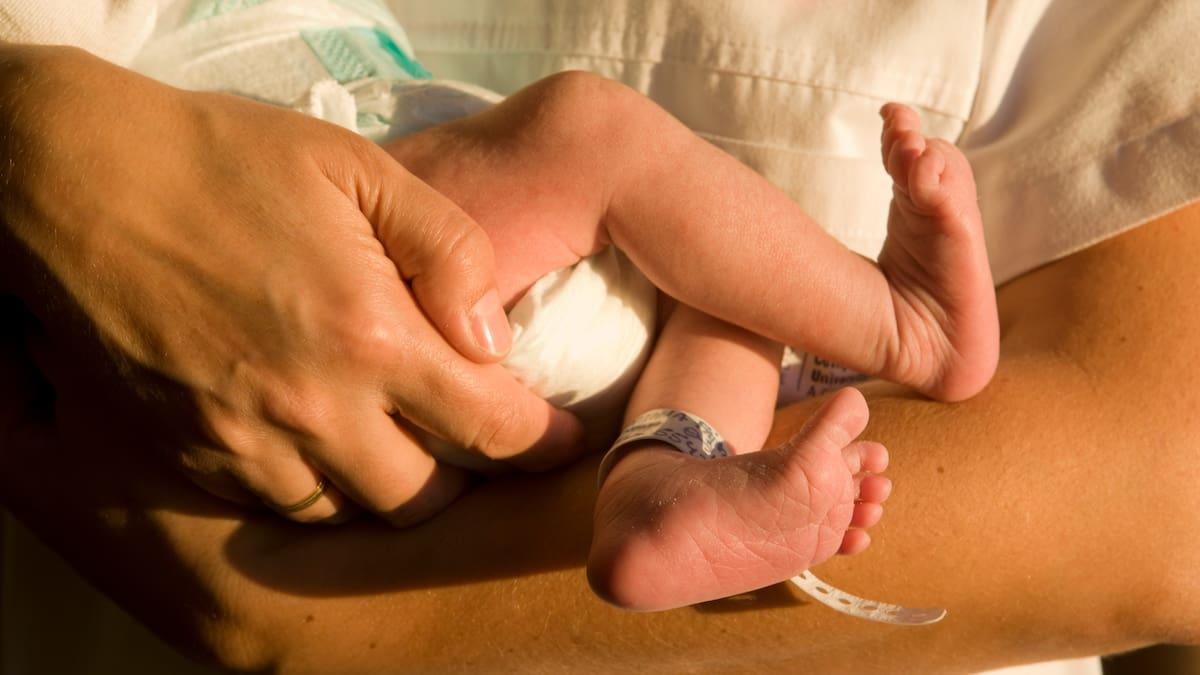
The newborn was welcomed by Powell, who held the baby in her arms with the available materials to cut the cord. Next to her, Fritz ensured that the little girl was breathing normally and checked her overall health status.
One of the things that reassured the healthcare workers the most was that the baby turned almost pink, which was a sign of good oxygenation. Despite being a stressful and unusual situation, there were no serious complications during the birth.
The mother displayed a surprising calmness for the cabin crew and paramedics. Fritz described her attitude as “like a rock star” because she managed to stay in control in such an extreme environment, among unfamiliar people and without the comfort of a hospital delivery room.
When the plane landed and began to taxi toward the terminal, the two healthcare professionals sat down in their seats while continuing to hold and monitor the newborn. As the plane slowed down and stabilized, they managed to breathe a little easier.
Medical Intervention on the Ground and Airline Company's Statement
When the plane left the runway and headed toward the designated gate, the paramedics finally handed the baby over to her mother. This scene in the cabin was met with relief and joy by those present: many passengers took photos of the moment, knowing they were witnessing a rare event.
Upon landing, the Portland Airport Fire and Rescue team was waiting, having been informed in advance by the cabin crew. When the door opened, the healthcare workers entered and quickly assessed the condition of the mother and daughter.
A spokesperson for the Port of Portland confirmed that both were in good health and were transferred to a local hospital for observation. This was standard procedure for out-of-hospital births, especially in a unique environment like a commercial airplane.
Delta Air Lines later issued a public statement thanking the cabin crew and trained volunteers who assisted during the incident. The company emphasized that the health and safety of the people on board remained a priority.
However, the airline's initial statement noted that a doctor and two nurses had joined to help, a situation later corrected by those directly involved in the birth. Fritz stated that no doctor was present during the birth and that the only nurse available had been focused on the first patient who requested help a few minutes earlier.
A Lifelong Bond and Discussion on Preparedness in the Plane
Beyond this anecdote and the incident's impact in the media, the experience left a deep personal mark on the participants. Fritz explained that since that day, he has kept in touch with the baby’s mother and that the story received significant interest after being made public.
The paramedic acknowledged that this incident created a special bond between the two, as if they had become lifelong friends. After all, his intervention played a critical role in the successful delivery.
Such incidents reopen discussions about how prepared airlines are to handle births and complex medical emergencies on board and whether it is safe to travel during pregnancy. While it is common for advanced first aid kits to be available and for some cabin crew members to have first aid training, there are not always specialized materials available for childbirth.
In Europe and Spain, regulations related to aviation safety require companies to have essential emergency equipment and action protocols, but a birth at an altitude of 10,000 meters is still an exceptional situation. Therefore, when a birth occurs on a plane, the need to strengthen medical equipment and training for such situations comes to the forefront again.
What happened on this flight demonstrates, with professionalism, coordination, and a bit of creativity, how a birth can be carried out in a difficult situation, even without an operating room or hospital technology. However, it also reveals that a significant part of the success depends on the chance of having health personnel among the passengers.
This unexpected birth that took place among the clouds has turned into a story involving tension, humanity, and a bit of coincidence: a mother unable to reach the hospital in time, two paramedics on vacation, a cabin crew in a difficult situation but producing solutions, and a baby choosing the back of a Boeing 737 for its birth. Even in such a regulated environment of commercial aviation, it reminds us that there is always room for such unpredictable stories.
































Comments
(7 Comments)