Many women want to get pregnant, but after a few attempts, they think there is a problem with themselves. Most of the time, the only thing that happens is that women cannot accurately calculate their fertile days to increase their chances of getting pregnant.
If you are wondering when the right time to get pregnant is, you should learn to distinguish between your monthly fertile days and non-fertile days. With this information, you will realize that getting pregnant is not such a difficult struggle. If both you and your partner are healthy and have good sexual health, there should be no problem... somehow, the expected moment will come.
You should not forget that your emotional state is very important for getting pregnant. Stress, anxiety, or emotional issues can cause your body to reject pregnancy because the body may "think" that it is not the right time to get pregnant. Also, if you have been using birth control pills for a long time, your uterus and ovaries may need time to adjust, and it can be more difficult to get pregnant in the first months after stopping hormonal birth control.
In addition to emotional factors, elements such as lifestyle, nutrition, body weight, smoking, alcohol, or exposure to environmental toxins also play a role. All of these can change your cycle, the quality of ovulation, and therefore your chances of getting pregnant, so it is important to be aware of and pay attention to them.
Fertile Days to Get Pregnant
The most effective time to get pregnant is when you have intercourse on your fertile days, which can cover about six days in a month. Of these days, only one is related to the release of the egg, but sperm can live in the female body for 3 to 7 days (usually between 3 to 5 days under normal conditions).
This means that if you have intercourse during your fertile days – about three to five days before ovulation and about one day after ovulation – your chances of getting pregnant will be higher. This period is commonly referred to as the fertile window and is the time when meeting between the egg and sperm is most likely.
You do not have to have intercourse every day during your fertile days to increase your chances of getting pregnant. Having intercourse every other day is usually sufficient, as sperm can live in the female reproductive tract for a few days, and the male body needs some time to produce good quality sperm.
The released egg survives for only 12 to 24 hours, so the short lifespan of the egg and the higher quality of sperm explain why there is an approximately six-day fertile window: the five days before ovulation and the day of ovulation are the days with the highest likelihood of getting pregnant.
Non-Fertile Days
Non-fertile days are days when the chances of getting pregnant are very low because there is no egg present or there is not enough time for sperm to survive. Even if there is unprotected intercourse, if the egg is released a few days later, the sperm will not have enough time to fertilize the egg.
These days usually occur 5-7 days before the start of the menstrual period and 5-7 days after the end of the menstrual period in women with regular cycles. During these phases, the endometrium is either preparing for a possible implantation or starting a new cycle, but the egg has already been released or there is still time for it to be released.
However, be careful, knowing your non-fertile days does not mean they are zero-risk days. Sometimes, double ovulation can occur in the same cycle, or ovulation can be delayed or advanced by various reasons such as mood changes, weight fluctuations, routine changes, travel, intense stress, excessive exercise, medications, and in this case, you may get pregnant on days you thought were “safe.”
Therefore, if you do not want to get pregnant, it is best to always engage in sexual intercourse with effective protection and not limit your birth control to just the calendar method or the calculation of fertile days.
Methods for Calculating Fertile Days
If you want to be more precise, you can calculate your fertile days, meaning you can predict when you will ovulate and determine the right times to have intercourse. The timing of ovulation depends on your menstrual cycle length and whether your periods are regular.
A menstrual cycle can be as short as 22 days or as long as 35-36 days. On average, a woman gets her period 12 to 14 days after ovulation. The second half of this cycle, the luteal phase, generally has a more consistent duration than the first half.
For example, if you have a 28-day menstrual cycle, you are likely ovulating around the middle of your cycle, which means if the first day of your period is counted as day 1, it would be around day 14. Those with shorter menstrual cycles may ovulate even at the end of their periods or shortly thereafter. A longer cycle may lead to ovulation two weeks after your period ends.
Almost half of women have a cycle that varies by more than seven days each month. If your menstrual cycle is different each time, then your fertility window may also vary by about a week from one period to the next, and relying solely on the calendar may not be sufficient.
Considering all this, for many couples, having intercourse every two or three days throughout the cycle is a practical method. This way, you do not have to constantly track the moment of ovulation and cover all possible fertile windows. Additionally, having intercourse every two or three days provides better sperm quality than having intercourse every day for an extended period.
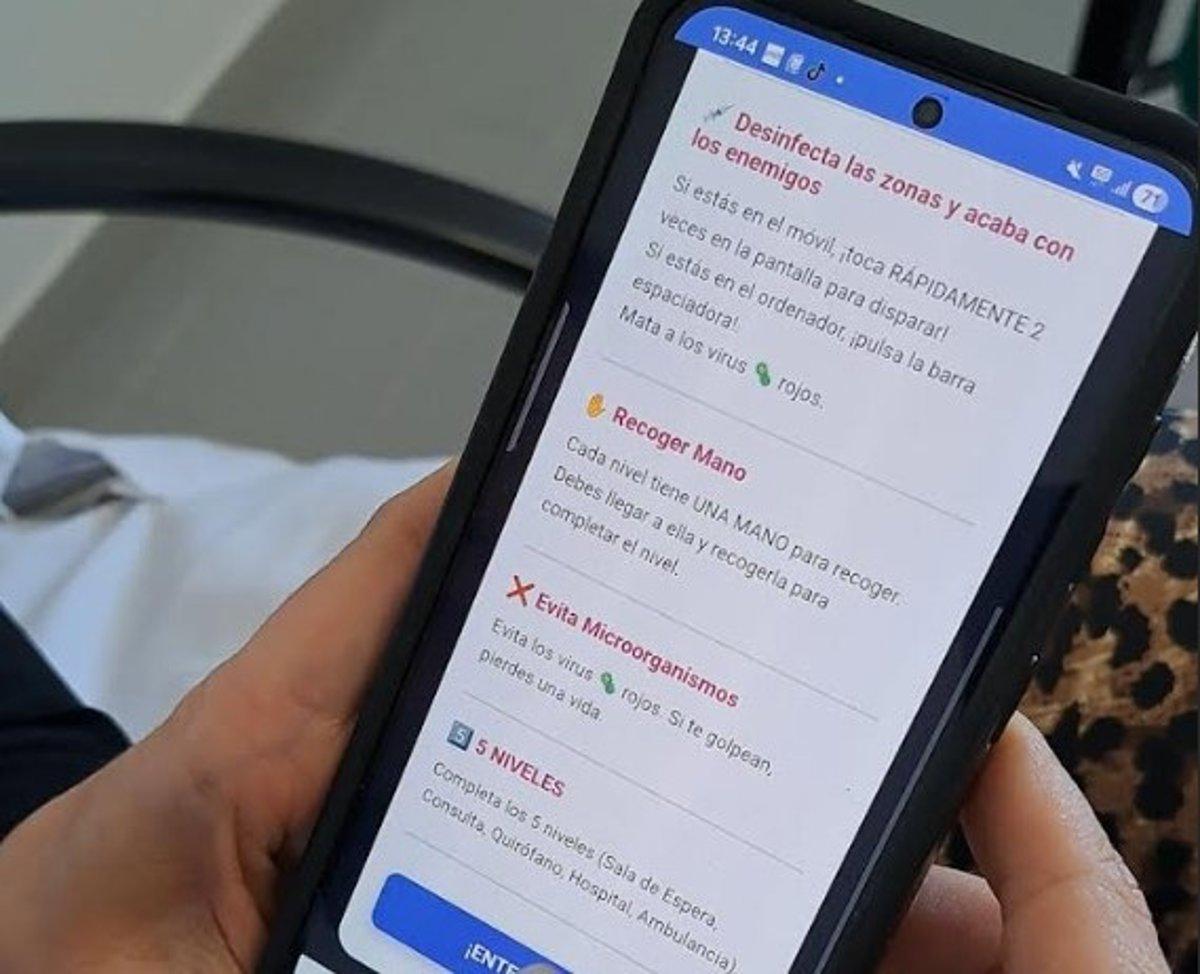
Nowadays, mobile apps and programs are also available; these apps use algorithms to predict your next ovulation by tracking your cycles and symptoms. Still, it is important to remember that these are guiding tools and that ovulation does not fit a perfect mathematical formula.
Ovulation: The Time When the Chance of Getting Pregnant is Highest
Ovulation is the time when a mature egg leaves the ovaries and moves toward the fallopian tubes and is ready to meet sperm. This is the focal point of the menstrual cycle and determines your most fertile days.
If you have intercourse one or two days before ovulation and on the day you ovulate, your chances of getting pregnant are highest. However, it is difficult to pinpoint the exact moment when your egg is ready for fertilization, especially if your cycles are not always the same.
Additionally, not all women have 28-day cycles. Some women have their periods every 25 days, while others have them every 35 days, and in these cases, calculating ovulation becomes more complex. In longer cycles, for example, ovulation may occur on day 20 or later; in shorter cycles, it may occur around day 10 or 11.
To avoid stress by constantly checking your body or the calendar, it is best to enjoy the sexual aspects of your life and have intercourse every two or three days. This way, you cover the fertile window, and it does not become a source of pressure.
Luteal Phase: The Period After Ovulation
The luteal phase is the stage following ovulation. It is beneficial to know this phase because after the egg is released, the follicle containing it transforms into a structure called corpus luteum or yellow body, which primarily produces progesterone.
This tissue produces progesterone; this hormone prepares the endometrium, making its walls thicker, spongy, and filled with blood vessels. Thus, if the egg is fertilized, it can implant correctly, be well accepted, and be protected until it is nourished through the placenta from the mother's blood.
Another important function of progesterone is to change the cervical mucus and the cervix. During the fertile phase, the mucus becomes more fluid and elastic, facilitating the passage of sperm. After ovulation, progesterone causes the mucus to become thicker and stickier, which makes it more difficult for new sperm to enter and protects the uterus from microbes and bacteria.
If pregnancy does not occur, the corpus luteum stops producing progesterone and estrogen a few days later, leading to the shedding of the endometrium and the start of the menstrual period. If fertilization occurs and the embryo implants, other hormones are released to keep the corpus luteum active, supporting the pregnancy in the early weeks.
Signs and Symptoms That Help Detect Ovulation
While a calendar is a useful reference, your body presents very distinct fertility signs as ovulation approaches. Learning to observe these can help you determine your best days:
- Changes in cervical mucus: In the days leading up to ovulation, vaginal discharge becomes more abundant, clear, elastic, and slippery, resembling raw egg white. This type of mucus protects sperm and facilitates its movement to the uterus and fallopian tubes.
- Feelings in the lower abdomen: Some women may feel a slight pain or cramping on one side of their abdomen, mild bloating, or increased sensitivity in the pelvic area during ovulation.
- Basal temperature: After ovulation, progesterone causes a slight increase in body temperature (between 0.3 and 0.5 ºC). Recording your temperature every morning before getting out of bed can help you see this change and confirm that you have ovulated.
- Changes in breasts and mood: It is common to notice that the breasts are slightly more sensitive, an increase in sexual desire, and mood changes during fertile days. The increase in estrogen and LH (luteinizing hormone) before ovulation explains most of these changes.
Observing your flow and physical sensations for several months allows you to get acquainted with your personal fertility model. For many women, combining these signs with a calendar and supporting them with ovulation tests if necessary is the most reliable strategy without resorting to medical studies.
Methods for More Accurately Determining Your Fertile Days
In addition to simple date calculations, there are various methods you can use to determine when you are most likely to conceive:
Evaluating Cervical Mucus
Cervical mucus protects sperm and pushes it towards the uterus. Changes throughout the cycle reflect very well the time when your body is ready to release an egg.
There is no discharge during the menstrual period, and after the period ends, the vagina may be drier with almost no discharge. Later, a sticky or rubbery discharge appears, followed by a wet, creamy, and whitish state (this indicates that you are approaching your fertile days). At the time of ovulation, the discharge becomes slippery, elastic, and transparent like raw egg white; this indicates peak fertility. After ovulation, the vagina typically dries up again, or the mucus becomes thick and sticky.
You can use your fingers to check how mucus feels at the cervix, as long as you maintain good hand hygiene. Look for mucus at the bottom of the vagina, touch with your thumb and index finger, and gently separate: if the discharge stretches and forms an elastic "string," it likely indicates that ovulation is near or occurring.
Measuring Basal Temperature
After ovulation, body temperature slightly rises and remains above your baseline level until the next menstrual period. The difference between the phases before and after ovulation is usually less than 1 degree, so it is important to use a basal thermometer or a precise digital thermometer.
To use this method:
- Measure your temperature immediately upon waking, before getting out of bed or engaging in physical activity.
- Always use the same thermometer, in the same area of the body, and at a consistent time as much as possible.
- Record daily values in a chart or app, and when a few decimal differences appear, this usually indicates that ovulation has occurred.
This technique is especially useful for recognizing your patterns over several cycles and better predicting the following months, rather than knowing exactly when you ovulated at that moment.
Ovulation and Luteinizing Hormone (LH) Tests
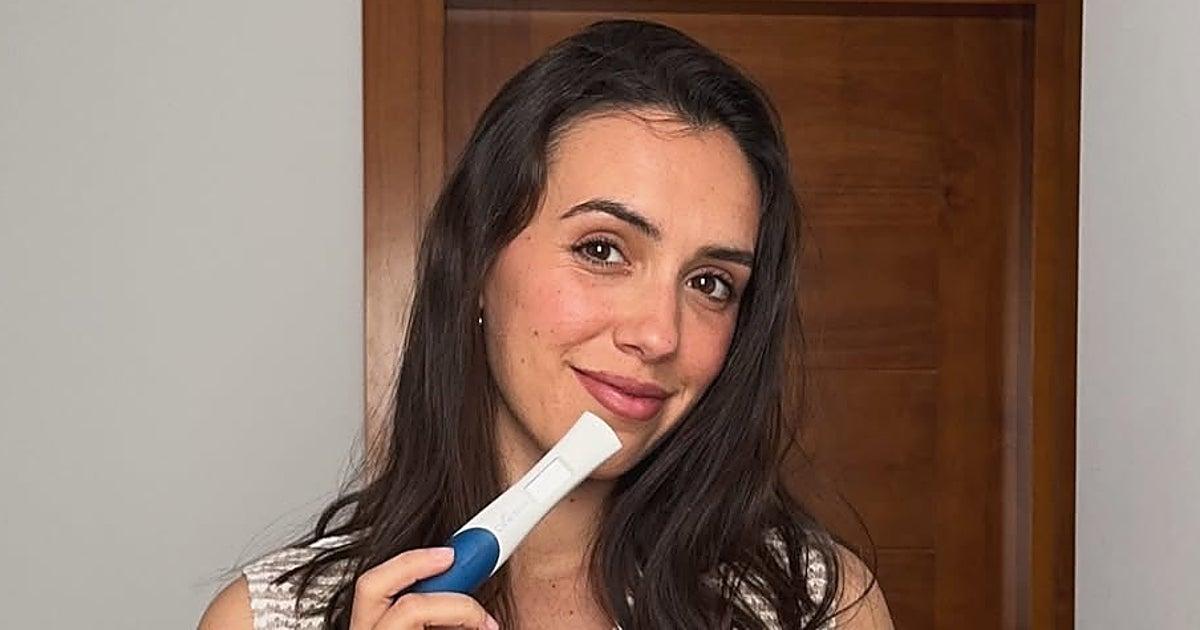
Ovulation tests are strips or devices that detect the increase of luteinizing hormone (LH) in urine, very similar to pregnancy tests. This LH peak occurs approximately 24 to 36 hours before the egg follicle bursts and the egg is released, so a positive test indicates that you are about to ovulate.
Recommendations for effective use:
- Subtract about 17 days from the average length of your menstrual cycle and start using the tests from that day. For example, if your cycles last 30 days, you can start around day 13.
- Take the test once a day, always at the same time, preferably in the afternoon, when the LH peak can be detected in urine.
- When the test is positive, increase the frequency of intercourse as these two days will be the most fertile.
These kits are particularly useful for women with irregular cycles or those who have difficulty identifying ovulation signs. They can also help you see whether you are actually ovulating or not ovulating in some months.
Frequency of Intercourse and Habits Affecting Fertility
Many couples trying to conceive focus their sexual relations only during the periovulatory period. However, evidence shows that sperm motility and concentration are better when there is a 2 to 6 day abstinence, so we generally recommend having intercourse every two or three days after the end of the menstrual period.
This approach has several advantages: it allows you to capture ovulation without being tied to a calendar, reduces pressure on the couple, and helps maintain sperm quality. It also avoids living sexual relations merely as a "means to an end."
Additionally, some factors are known to negatively affect ovulation and egg quality; some endocrine disruptors can be found in certain plastics, pesticides, or chemicals. Reducing exposure (for example, avoiding reheating food in plastics and opting for glass containers) and practicing a healthy diet rich in omega 3 and 9 fatty acids, vitamins, and antioxidants can support better hormonal function.
On the other hand, maintaining an appropriate weight is also important; avoiding being overweight or underweight, engaging in moderate exercise, and managing stress can affect the secretion of hormones like prolactin and disrupt cycles.
Irregular Cycles, Anovulation, and Other Special Conditions
In many women, menstruation can occur irregularly, meaning it can appear without adhering to a specific pattern every 25-35 days. In these cases, the ovulation period can vary significantly or may be completely absent in some cycles, making it difficult to know your fertile days and can hinder pregnancy.
Causes of these irregularities include polycystic ovary syndrome (PCOS), anemia, excessive weight loss, poorly controlled diabetes, certain sexually transmitted diseases, thyroid problems, or prolonged stress and anxiety. In women with PCOS, for example, not having periods along with very long cycles or irregular ovulation is common.
In these situations, classic fertility calendars are not reliable. It is more beneficial to pay attention to other signs your body gives you; for example, changes in vaginal discharge, pelvic pain, or a rise in basal temperature. If necessary, you can seek support through an evaluation by a specialist who may request ovulation tests or hormonal analyses.
In some women, doctors may recommend treatment to regulate the cycle and promote ovulation. If you have been trying to conceive for a long time, have very long or absent cycles, or suspect PCOS or another hormonal disorder, it is important to consult your gynecologist or fertility specialist for a personal assessment and guidance.
Can You Get Pregnant During Your Period?
Menstruation marks the beginning of a new cycle and represents the shedding of the endometrium because the egg was not fertilized in the previous cycle. Theoretically, in the early days of menstruation, a new ovulation has not yet occurred, so the likelihood of getting pregnant is very low, especially in regular and average-length cycles.
However, when cycles are irregular or very short, ovulation may occur very close to the end of the menstrual period or may coincide with light bleeding that some women mistake for menstruation. Additionally, sperm can live in the female reproductive tract for 2 to 7 days, so intercourse on the last days of the menstrual period can lead to pregnancy in very short cycles.
Therefore, while the probability is low during the first days of bleeding, it is not possible to say that getting pregnant during your period is absolutely impossible, especially for women with very short or irregular cycles.
Knowing your fertile days, observing the signs of your body, and resorting to methods such as ovulation tests or basal temperature tracking if necessary can help you better understand the ideal moment to conceive. At the same time, paying attention to your lifestyle, reducing stress, and enjoying sexual relations can increase your chances of getting pregnant while also enhancing your well-being throughout the process.























Comments
(7 Comments)